무료 아트 컨설팅

x
프린트 구매하기 프린트 구매하기이미지 구매하기 이미지 구매하기 공유하기공유하기
상세 정보상세 정보 즐겨찾기에 추가 즐겨찾기에 추가 다운로드다운로드 유사 작품유사 작품 X-레이X-레이 슬라이드 쇼슬라이드 쇼

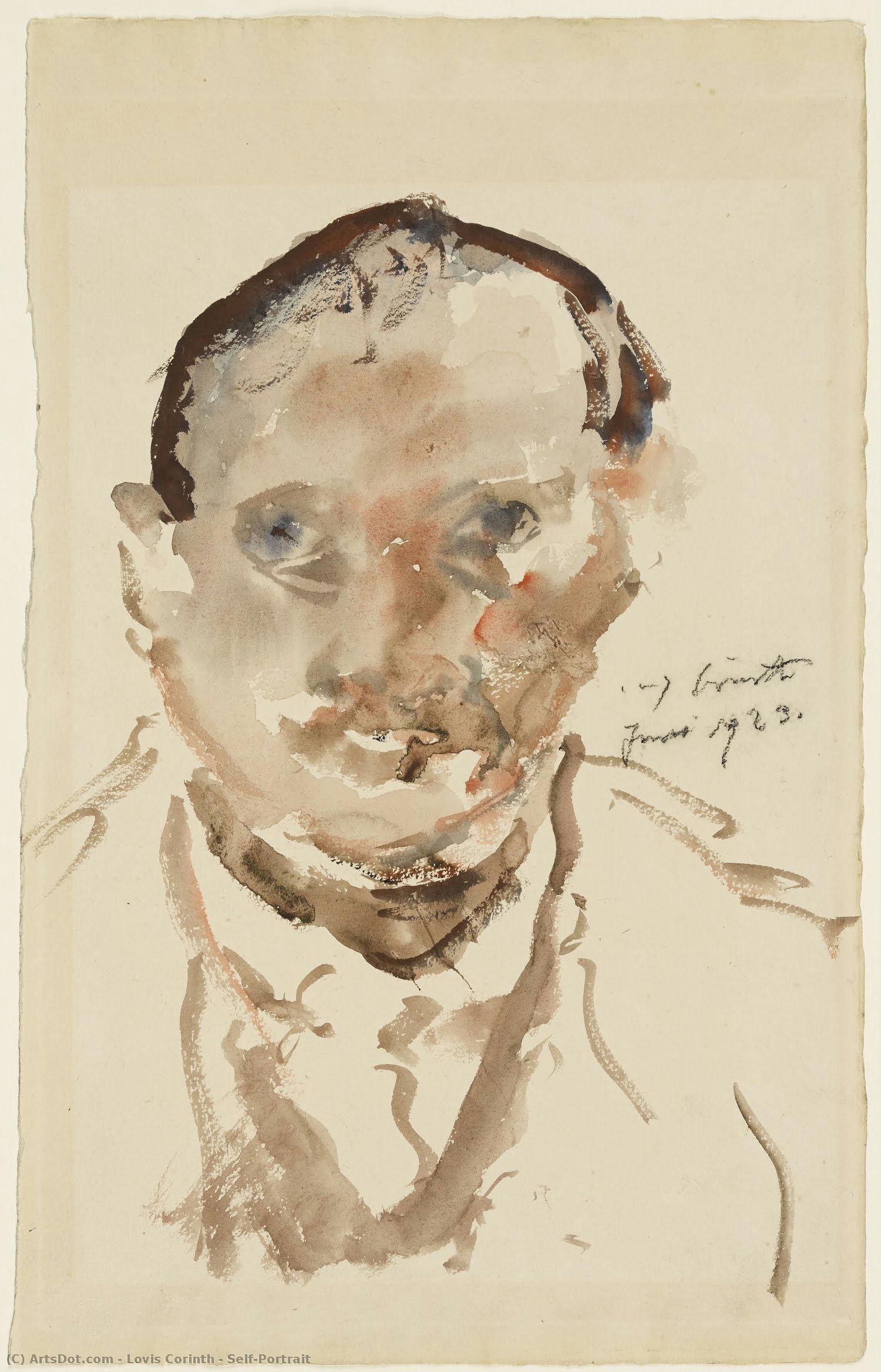
Self-Portrait

Experience Lovis Corinth's expressive 1923 Self-Portrait, a striking blend of Impressionism and Expressionism; discover this masterpiece today.

Explore the powerful paintings of Lovis Corinth (1858-1925), a German artist bridging Impressionism & Expressionism. Known for vibrant portraits, landscapes, nudes & biblical scenes, his work showcases unique vitality and influenced modern art.

수제 유화 복제품

원하는 크기와 액자로 주문 제작되는, 작가들이 직접 캔버스에 손으로 그린 유화 작품입니다.

P118B $10
P118H $10
P118W $10
P438Z $10
P508JH $12
P508YH $12
P805H $10
P805Z $10
P919BZ $10
P919G $10
P919XJ $10
P959ZH $10
P968JZ $12
W106C $8
W218G $10
W218JH $8
W218Y $10
W307PJ $10
W316G $10
W316PJ $8
W316Y $10
W398PJ $8
W4111J $10
W500HY $15
W500JH $15
W692G $12
W849H $8
W940BG $15
W953PJ $8

Standard
custom
CM
INCH

작품의 원본 비율을 유지하는 미리 설정된 크기 중에서 선택하세요.

가로 너비
세로 길이

특정 프레임이나 공간에 맞도록 직접 크기를 입력할 수 있습니다. 선택하신 크기가 원본 이미지의 비율과 일치하지 않는 경우, 작품을 자르거나 추가적인 손으로 그린 요소를 사용하여 그림을 확장합니다. 제작 시작 전 승인을 위해 디지털 목업을 보내드립니다.
화면 미리 보기는 실제 자르기 또는 확장을 반영하지 않습니다. 최종 구성은 목업을 통해서만 정확하게 확인하실 수 있습니다.
맞춤 크기 제작도 가능하지만, 원본 비율을 유지하기 위해 사전 정의된 목록에서 크기를 선택하시는 것을 권장합니다.

변경 가능한 예시: 얼굴을 고객의 사진으로 교체, 반려동물 추가(예: 고양이를 강아지로 변경), 배경에 숨겨진 메시지 삽입, 배경 풍경 또는 요소 변경 등
주문 후 WahooArt.com 팀에서 상세 안내를 위해 고객님께 이메일을 보내드리며, 미리보기 시안을 제공해 드립니다.

전 세계 배송()은 표준 5주 대신 3~4주 내에 완료됩니다. (3 7월). 품질에는 어떠한 타협도 하지 않습니다.

why_choose_icon
전 세계 무료 특급 배송
why_choose_icon
프리미엄 린넨 캔버스
why_choose_icon
전체 배송 보험 보장
why_choose_icon
관세 환불 보장
why_choose_icon
실제 색상 일치 보장
why_choose_icon
60일 이내 반품 정책 (제조 결함 시)
why_choose_icon
100% 환불 보장
why_choose_icon
다량 구매 할인 혜택

총 합계 금액

-

reproduction

Self-Portrait

재현 기법

복제본 크기

-

최종 결제 금액

-

작품 정보 요약

  • Movement: Expressionism
  • Location: Kunsthalle Bremen
  • Artistic style: Impressionism/Expressionism
  • Artist: Lovis Corinth
  • Notable elements or techniques: Artist's signature visible
  • Year: 1923
  • Medium: Drawing

예술 상식 퀴즈

각 질문의 정답은 하나뿐입니다.

질문 1:
Who is the artist of the 'Self-Portrait'?
질문 2:
In what year was Lovis Corinth's 'Self-Portrait' painted?
질문 3:
What artistic movement is Lovis Corinth noted for synthesizing with Impressionism?
질문 4:
What type of medium is the 'Self-Portrait' described as being?
질문 5:
Where is the painting 'Self-Portrait' currently located?

작품 상세 설명

A Glimpse into the Artist's Soul: Lovis Corinth's Self-Portrait

To stand before a self-portrait by an artist of Lovis Corinth’s caliber is not merely to observe a likeness; it is to encounter a direct, unfiltered conversation with the creative spirit itself. This 1923 depiction captures the master at a moment of profound introspection. The subject gazes out from the canvas, framed by the subtle weight of his glasses and the defining sweep of his mustache—details that anchor the viewer in a specific, tangible reality. Corinth, forever navigating the rich currents between Impressionism's luminous observation and Expressionism's raw emotional outcry, offers us here a portrait steeped in both technical mastery and personal vulnerability.

The Synthesis of Style: Bridging Eras on Canvas

Corinth’s artistic journey was one of magnificent evolution. Having absorbed the naturalistic light studies of Impressionism during his formative years in Paris and Munich, he later found himself drawn into the more visceral, emotionally charged landscape of Expressionism. This Self-Portrait serves as a beautiful testament to that synthesis. While the rendering retains a certain observational clarity—a nod to the masters who preceded him—the underlying energy pulses with an expressive intensity. The technique, described as a drawing, suggests immediacy; it feels less like a carefully constructed facade and more like a thought captured before it could dissipate into memory.

Historical Echoes and Emotional Resonance

Created in 1923, this work emerges from a period of immense cultural upheaval. Corinth himself navigated the profound personal shifts that marked his life, including the devastating stroke he suffered. This context imbues the portrait with an added layer of poignant depth. The self-examination visible here transcends mere vanity; it speaks to resilience, to the enduring human need to document one's own existence against the backdrop of a changing world. For the collector or designer, this piece offers more than decoration; it provides a focal point for contemplation—a quiet monument to artistic endurance.

Bringing Corinth Home: Owning a Piece of History

Acquiring a reproduction of this Self-Portrait allows you to integrate a significant piece of art historical dialogue into your own space. The subtle nuances in the line work, the thoughtful gaze, and the palpable sense of history contained within the original make it an unparalleled statement piece. Whether placed in a study where deep thought is encouraged or a gallery wall meant to evoke intellectual depth, this artwork invites viewers to pause, look closer, and engage with the complex interplay between the artist's vision and his own enduring self.

유사한 작품들


작가 약력

Lovis Corinth: Bridging Impressionism and Expressionism

Lovis Corinth (1858-1925) stands as a pivotal figure in German art history, recognized for his distinctive synthesis of Impressionistic sensibilities with the burgeoning fervor of Expressionist ideals. Born Tatapua, Poland, Corinth’s artistic journey began amidst the vibrant cultural landscape of Prussia and culminated in a prolific career marked by groundbreaking paintings, prints, and literary endeavors. His formative years instilled within him an appreciation for naturalism, yet a devastating stroke in 1911 irrevocably altered his stylistic trajectory, propelling him toward bolder colors and emotionally charged compositions characteristic of Expressionism.

Early Influences & Artistic Formation

Corinth’s initial artistic explorations were rooted in the meticulous observation of nature—a hallmark of Impressionist painters like Claude Monet and Jean-Baptiste Millet. Studying diligently in Paris and Munich, he absorbed the stylistic innovations circulating throughout Europe during this period. However, his exposure to artists such as Edvard Munch and Ernst Ludwig Kirchner proved instrumental in shaping his evolving artistic vision. These encounters ignited a passion for conveying psychological depth and emotional intensity—elements that would soon dominate his oeuvre.

The Secession Movement & Artistic Breakthrough

Joining the Berlin Secession group in 1907, Corinth collaborated closely with Max Liebermann, establishing a powerful creative partnership that profoundly impacted their artistic development. Liebermann’s influence championed a more psychologically nuanced approach to painting, encouraging Corinth to delve beyond mere visual representation and explore the inner workings of human experience. This collaboration solidified Corinth's commitment to Expressionist principles while retaining his foundational Impressionistic techniques—a harmonious blend that distinguishes his work from many contemporaries. The Secession’s rejection of academic conventions further fueled Corinth’s artistic experimentation and cemented his position as a champion of avant-garde aesthetics.

Style & Subject Matter: From Naturalism to Emotional Intensity

Corinth's style underwent a dramatic transformation following the stroke of 1911, transitioning from careful realism to expressive abstraction. He embraced vibrant hues—particularly reds and yellows—and employed loose brushstrokes that conveyed palpable emotion. His subjects encompassed a diverse range of themes, including portraits depicting individuals with remarkable psychological complexity, landscapes imbued with atmospheric drama, and evocative depictions of biblical narratives. Paintings like “Lake Lucerne, Afternoon” exemplify his masterful ability to capture fleeting moments of beauty while simultaneously conveying profound emotional resonance. Notable works housed in museums include “Walchensee with Fountain” and “Ecce Homo,” showcasing the enduring legacy of Corinth’s artistic vision.

Legacy & Influence

Lovis Corinth's contribution to German art is undeniable, shaping the trajectory of Expressionism and influencing subsequent generations of artists. His pioneering exploration of psychological realism combined with Impressionistic color palettes established a unique stylistic paradigm—one that continues to inspire admiration and scholarly study. Beyond his paintings, Corinth’s literary pursuits further enriched his artistic persona, demonstrating his multifaceted intellectual curiosity. His enduring influence can be observed in the works of numerous artists who embraced similar expressive techniques and thematic concerns. For more detailed information on Corinth's life and work, please visit https://WahooArt.com/@/lovis-corinth. And for insights into Liebermann’s artistic impact, explore https://en.wikipedia.org/wiki/max_liebermann.
lovis corinth

lovis corinth

1858 - 1925 , Poland

주요 정보

  • Artistic Movement Or Style: Impressionism & Expressionism
  • Artists Or Movements Influenced By This Artist: ['Expressionism']
  • Artists Who Influenced This Artist: ['Max Liebermann']
  • Date Of Birth: Tatapua, Poland (1858)
  • Date Of Death: 1925
  • Full Name: Lovis Corinth
  • Nationality: German
  • Notable Artworks:
    • Lake Lucerne, Afternoon
    • The Walchensee with the Slope of the Jochberg
    • Last Self Portrait
  • Place Of Birth: East Prussia