
 Oil On CanvasWallArtImpressionism
 190819th Century
 84.0 x 99.0 cm
원하는 크기와 액자로 주문 제작되는, 작가들이 직접 캔버스에 손으로 그린 유화 작품입니다. ( 프린트 판매로 전환 디지털 이미지로 전환)





























작품의 원본 비율을 유지하는 미리 설정된 크기 중에서 선택하세요.

특정 프레임이나 공간에 맞도록 직접 크기를 입력할 수 있습니다. 선택하신 크기가 원본 이미지의 비율과 일치하지 않는 경우, 작품을 자르거나 추가적인 손으로 그린 요소를 사용하여 그림을 확장합니다. 제작 시작 전 승인을 위해 디지털 목업을 보내드립니다.
화면 미리 보기는 실제 자르기 또는 확장을 반영하지 않습니다. 최종 구성은 목업을 통해서만 정확하게 확인하실 수 있습니다.
맞춤 크기 제작도 가능하지만, 원본 비율을 유지하기 위해 사전 정의된 목록에서 크기를 선택하시는 것을 권장합니다.

Luneberger Heide
복제본 크기
In the quietude of 1908, Lovis Corinth captured a moment of profound stillness in his masterpiece, Luneberger Heide. This evocative landscape serves as a window into a world where the boundaries between earth, water, and sky dissolve into a singular, atmospheric experience. At first glance, the viewer is drawn to the commanding presence of a central tree, a sentinel of the German heath that anchors the composition with its rugged strength. Yet, as one lingers before the canvas, the true magic reveals itself in the subtle interplay of light and shadow. The painting does not merely depict a forest; it captures the very breath of the landscape, inviting the observer to step into a realm of soft, diffused light and muted natural tones that suggest a cool, overcast afternoon.
The technique employed by Corinth is a masterclass in late Impressionism, where the physical presence of the paint becomes as much a part of the story as the subject itself. Using oil on canvas, the artist utilized loose, visible brushstrokes that lend a tactile, rhythmic quality to the foliage and bark. This impasto-like texture creates a sense of movement within the stillness, as if the wind is perpetually rustling through the leaves. The perspective is intentionally flattened, eschewing rigid spatial accuracy in favor of an emotional depth. By focusing on the organic flow of branches and the hazy, amorphous shapes of the surrounding vegetation, Corinth achieves a dreamlike quality that prioritizes mood over meticulous detail, making the piece feel less like a photograph and more like a memory.
To understand Luneberger Heide, one must consider the pivotal role Lovis Corinth played in the evolution of modern art. As a bridge between the fleeting light of Impressionism and the raw, emotive power of Expressionism, Corinth’s work embodies a unique vitality. In this particular landscape, we see the remnants of his academic training blended with a burgeoning desire to express the internal spirit of nature. The color palette—a sophisticated arrangement of earthy greens, deep browns, and whispers of slate gray and blue—reflects a restrained elegance. There is no jarring brightness here; instead, there is a harmonious, subdued tonality that speaks to the resilience of the natural world.
Symbolically, the painting offers a profound meditation on continuity and solitude. The prominent tree stands as a symbol of endurance, rooted deeply in the soil while reaching toward an ephemeral sky, much like the human condition itself. The presence of water within the forest scene introduces an element of reflection, both literal and metaphorical, suggesting a sense of peace and eternal recurrence. For the collector or interior designer, this artwork offers more than mere decoration; it provides a focal point of tranquility. Its ability to evoke a feeling of peaceful solitude makes it an ideal centerpiece for spaces designed for contemplation, adding a layer of sophisticated, organic warmth to any curated environment.


1858 - 1925 , 네덜란드

Embark on a visual journey through history's most iconic landscapes. Discover the mastery of Impressionism and the sublime power of nature through our expert guide to classical landscape art, curated for the discerning collector and fine art enthusiast.

Explore the ethereal beauty of Impressionist landscapes. Discover how masters like Monet captured fleeting light through color and texture, and learn to curate these timeless, luminous masterpieces for your home collection.

Discover the profound emotional depth of Post-Impressionist landscapes. Explore how masters like Van Gogh revolutionized art through vibrant color, textured impasto, and symbolic expression in this expert guide to the movement that redefined modern art history.
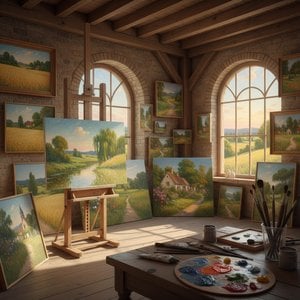
Discover the profound tranquility of rural art through an expert exploration of Impressionist landscapes. From pastoral scenes to textured oil masterpieces, learn how timeless nature-inspired artworks bring enduring elegance and serenity to sophisticated collectors.


 미리보기
미리보기
 공유하기
공유하기 공유하기
공유하기
 상세 정보
상세 정보 가이드 보기

 다운로드
다운로드
 유사 작품
유사 작품 X-레이
X-레이 슬라이드 쇼
 통계 정보
통계 정보 더 보기
더 보기









 유리 옵션은 110cm 미만 크기에서만 선택 가능합니다.


