빠른 제작과 다양한 마감 옵션을 제공하는 박물관 수준의 지클레이 및 캔버스 프린트. ( 수작업 채색 복제본 주문하기 디지털 이미지로 전환)





























작품의 원본 비율을 그대로 유지하는 프리셋 사이즈 중에서 선택해 보세요.

액자나 벽면 크기에 맞춰 필요한 가로와 세로 길이를 입력해 주세요. 프린트는 원본 이미지보다 크게 제작할 수 없으며 오직 자르는 것만 가능하므로, 비율이 다른 사이즈를 선택할 경우 이미지의 일부가 잘려 나갈 수 있습니다. 인쇄 작업에 들어가기 전, 최종 확인을 위해 디지털 목업을 보내드립니다. 이 페이지에 표시된 이미지는 실제 잘리는 영역을 나타내지 않으며, 오직 목업을 통해서만 정확한 확인이 가능합니다.
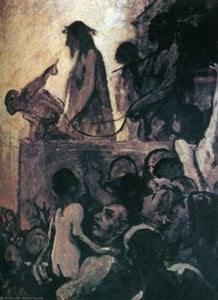
Ecce Homo
복제본 크기
In the profound depths of 1925, a year that marked both a creative zenith and the final chapter for the German master Lovis Corinth, there emerged a work of staggering emotional intensity: Ecce Homo. This oil on canvas masterpiece, currently housed within the prestigious Kunstmuseum Basel, serves as a visceral window into one of history's most poignant moments. The painting captures the biblical moment of "Behold the Man," presenting a scene that transcends mere religious iconography to touch upon the universal essence of human vulnerability and resilience. Through his masterful command of the medium, Corinth invites the viewer into a space where the divine and the mortal collide under a heavy, atmospheric sky.
The composition is a masterclass in dramatic tension, centered around the figure of Jesus Christ, whose presence dominates the canvas with a quiet yet overwhelming gravity. Adorned with the crown of thorns, he stands flanked by two other figures, creating a triangular stability that is paradoxically disrupted by the raw, expressive energy of the brushwork. Corinth utilizes chiaroscuro—the dramatic interplay of light and shadow—to sculpt the forms of the men, lending them a sculptural weight that feels almost tangible. This technique does more than create depth; it directs the eye through a landscape of sorrow, where the stark highlights on the central figure’s face contrast sharply with the encroaching darkness, mirroring the spiritual struggle at the heart of the narrative.
Beyond the human drama, Corinth weaves subtle layers of symbolism into the periphery of the scene to enhance its dynamic movement. In the background, the presence of two horses and the delicate silhouettes of three birds drifting in the sky introduce a sense of life continuing amidst the tragedy. These elements provide a breath of naturalism that prevents the painting from becoming purely a study of grief, instead grounding the crucifixion in a living, breathing world. The artist’s ability to synthesize the structured traditions of Impressionism with the raw, emotive power of Expressionism allows the background to pulse with an almost restless energy, ensuring that every inch of the 190 x 150 cm canvas vibrates with life.
For the discerning collector or interior designer, a reproduction of Ecce Homo offers more than just a decorative element; it provides a profound focal point for any curated space. The painting’s rich textures and somber palette make it an ideal centerpiece for rooms designed to evoke contemplation, sophistication, and depth. Whether placed in a quiet study or a grand gallery-style living area, the work commands attention through its historical significance and its ability to stir the soul. Owning a high-quality hand-painted reproduction allows one to bring the heavy, transformative atmosphere of Corinth’s late period into the modern home, serving as a timeless reminder of the beauty found within the most profound human struggles.
"Ecce Homo"은(는) crucifixion, jesus christ, crown of thorns, religious art, biblical scene, chiaroscuro을(를) 묘사하고 있는 반면, 로비스 코린트의 기존 주제들은 impressionism and expressionism, crucifixion of jesus christ, religious themes, late expressive style, synthesis of styles입니다. 이 두 가지를 비교해 보면 해당 작품이 작가의 통상적인 소재와 어떻게 연관되는지 알 수 있습니다.
1925년에 제작된 "Ecce Homo"은(는) 로비스 코린트의 예술 활동기 중 Late Period에 속합니다.
"Ecce Homo"은 작가의 탄생지를 통해 Expressionism 사조와 네덜란드를 연결합니다.


1858 - 1925 , 네덜란드

Explore the profound psychological depth of Expressionist portraiture. From Munch to Schiele, discover how distorted forms and visceral brushstrokes unmask raw human emotion in this definitive guide for art enthusiasts and collectors.
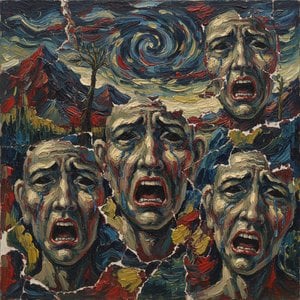
Explore the profound psychological depth of Expressionist art. From Munch to Van Gogh, discover how distorted forms and bold colors convey raw human emotion through our expert guide on this transformative movement.

Master the profound depths of Expressionism with our expert guide. Discover how pioneers like Munch and Kirchner used color and distortion to evoke raw emotion—essential knowledge for any discerning art collector seeking to curate intensity.

Explore the profound emotional depth of Expressionist painting. From the bold colors of Emil Nolde to the distorted forms of Kirchner, discover how this movement redefined art through raw feeling and visceral texture in our expert guide to art history.
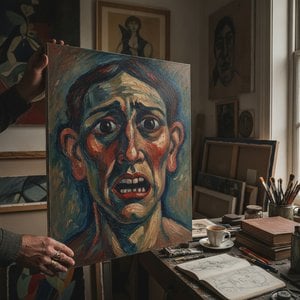
Discover the profound power of Expressionist art. From the raw intensity of Edvard Munch to the visceral textures of Neo-Expressionism, explore how subjective emotion and distorted reality define this movement. An expert guide for discerning collectors seeking depth and soul in fine art.
 미리보기
미리보기
 공유하기
공유하기 공유하기
공유하기
 상세 정보
상세 정보 가이드 보기

 다운로드
다운로드
 유사 작품 더 보기
 X-레이
X-레이 슬라이드 쇼 보기
 질의응답
질의응답
 통계 정보
통계 정보

 더 보기
더 보기









 유리 옵션은 110cm 미만 크기에서만 선택 가능합니다.