

 Oil On CanvasWallArtBaroque Still Life
 1631
1631 48.0 x 65.0 cm
 루브르 박물관
빠른 제작과 다양한 마감 옵션을 선택할 수 있는 박물관 수준의 지클레이 및 캔버스 프린트. ( 수작업 채색 복제본 주문하기 디지털 이미지 판매 채널로 전환)





























작품의 원본 비율을 그대로 유지하는 프리셋 사이즈 중에서 선택해 보세요.

액자나 벽면 크기에 맞춰 필요한 가로와 세로 길이를 입력해 주세요. 프린트는 원본 이미지보다 크게 제작할 수 없으며 오직 자르는 것만 가능하므로, 비율이 다른 사이즈를 선택할 경우 이미지의 일부가 잘려 나갈 수 있습니다. 인쇄 작업에 들어가기 전, 최종 확인을 위해 디지털 목업을 보내드립니다. 이 페이지에 표시된 이미지는 실제 잘리는 영역을 나타내지 않으며, 오직 목업을 통해서만 정확한 확인이 가능합니다.
The Fruit and Vegetable Costermonger
복제본 규격
Louise Moillon’s “The Fruit and Vegetable Costermonger,” painted in 1631, is more than just a still life; it's a vibrant snapshot of daily life in 17th-century Paris. This remarkable work, now housed within the Louvre Museum, offers a captivating glimpse into the bustling markets and social dynamics of a city undergoing significant transformation. Moillon’s masterful technique and keen observation elevate this seemingly simple scene to a level of profound artistic merit, revealing layers of symbolism and historical context that continue to intrigue art historians today.
Born into a family steeped in artistic tradition – her father, Nicolas Moillon, was himself a respected painter – Louise Moillon benefited from an early exposure to the principles of observation and representation. Raised within the Huguenot community of Saint-Germain-des-Prés, she inherited a sensibility that valued naturalism and detail, qualities deeply rooted in the artistic heritage of the Netherlands, where many of her family members had sought refuge. This background profoundly shaped her style, imbuing her paintings with an understated elegance and a meticulous attention to the textures and colors of everyday objects.
Moillon’s skill lies not just in her ability to depict fruit and vegetables realistically, but in her masterful manipulation of light and shadow – a technique known as *chiaroscuro*. The painting is dominated by a warm, diffused light that seems to emanate from an unseen source, bathing the table and its contents in a golden glow. This careful use of light not only enhances the visual appeal of the scene but also creates a sense of depth and volume, drawing the viewer into the heart of the market stall. Notice how she uses highlights to emphasize the smooth skin of the peaches, the glossy sheen of the oranges, and the delicate veins in the leaves – each detail rendered with exquisite precision.
The composition itself is carefully balanced, creating a sense of harmony and order amidst the apparent chaos of the market scene. The arrangement of the fruits and vegetables—the abundance of apples, the vibrant hues of the oranges, the contrasting textures of the broccoli—is deliberately asymmetrical, adding to the painting’s dynamism and visual interest. The inclusion of the two women, seemingly engaged in a transaction, subtly introduces an element of human interaction into this otherwise still-life tableau, grounding the scene in the realities of daily life.
Beyond its aesthetic qualities, “The Fruit and Vegetable Costermonger” is rich in symbolic meaning. The presence of the costermonger – a street vendor selling fruits and vegetables—reflects the growing commercial activity in Paris during the 17th century. The painting can be interpreted as a commentary on the social hierarchy of the time, with the wealthy women observing the proceedings from their elevated position while the costermonger provides sustenance for the masses. The abundance of fruit and vegetables also carries symbolic weight, representing prosperity, fertility, and the bounty of nature – themes that were particularly resonant during a period marked by both religious upheaval and economic growth.
Furthermore, Moillon’s decision to depict these fruits and vegetables at their peak ripeness—without any signs of decay or spoilage—is noteworthy. This deliberate choice challenges the traditional *memento mori* (remember you must die) motif prevalent in Dutch still-life paintings of the era, which often featured decaying fruit as a reminder of mortality. Instead, Moillon celebrates the beauty and vitality of life, capturing a fleeting moment of abundance and pleasure.
“The Fruit and Vegetable Costermonger” stands as a testament to Louise Moillon’s artistic genius and her ability to capture the essence of a particular time and place. Her meticulous attention to detail, masterful use of light and shadow, and subtle symbolic meanings combine to create a work that is both visually stunning and intellectually stimulating. Today, this painting continues to captivate viewers with its vibrant colors, dynamic composition, and profound insights into the social and cultural landscape of 17th-century Paris – a timeless masterpiece that offers a unique window into the past.
루이즈 무이용의 "The Fruit and Vegetable Costermonger"은(는) 1631년에 제작되었습니다.
루이즈 무이용의 "The Fruit and Vegetable Costermonger"의 색채는 Muted의 채도와 Monochromatic의 강도를 보여줍니다.
루이즈 무이용의 "The Fruit and Vegetable Costermonger"은(는) WallArt로 분류됩니다. 이 카테고리는 원작이 어떤 종류의 예술 작품인지를 설명합니다.

드라마틱한 움직임과 역동성이 캔버스를 압도하던 바로크 시대의 거대한 서사 속에서, 루이즈 몰롱의 작품은 깊고 명상적인 대안을 제시합니다. 1610년 파리에서 태어난 몰롱은 17세기 프랑스의 격동적인 종교적, 문화적 변화가 빚어낸 세상 속에서 등장했습니다. 그녀의 혈통 그 자체가 회복력과 예술적 유산에 대한 이야기를 담고 있습니다. 네덜란드에서 온 위그노 난민의 후손으로서, 그녀는 자연 세계를 세밀하게 관찰하는 가치를 소중히 여기는 전통 속에 깊이 몰입해 있었습니다. 이러한 배경은 단순한 가족사를 넘어, 빛과 질감, 그리고 상징적 사실주의에 대한 네덜란드의 숙련된 기법에 뿌리를 둔 예술적 어휘를 그녀에게 선사했습니다.
몰롱의 어린 시절은 상실과 깊이 있는 예술적 스승의 만남으로 점철되었습니다. 그녀가 불과 열 살이었을 때 풍경화가이자 화상이었던 아버지 니콜라 몰롱이 세상을 떠난 사건은 그녀의 인생 경로를 바꾸어 놓을 수도 있었으나, 그녀의 성장 과정은 여전히 예술 속에 깊이 뿌리박혀 있었습니다. 숙련된 예술가이자 화상이었던 계부 프랑수아 가르니에의 지도 아래, 그녀는 자신의 상징이 될 독보적인 기법을 다듬었습니다. 그녀의 교육은 단순히 캔버스 위에 안료를 입히는 기술에 그치지 않았습니다. 그것은 당대의 인문주의적 가치에 침잠하는 과정이었으며, 익어가는 과일의 미세한 디테일이나 꽃잎의 섬세한 곡선 속에서 신성함을 발견하는 법을 배우는 시간이었습니다.
몰롱의 진정한 천재성은 평범한 것을 비범한 것으로 변모시키는 능력에 있습니다. 그녀의 구도는 고요한 정지 상태, 즉 관람객이 머물며 응시하도록 유도하는 평온한 정적을 특징으로 합니다. 그녀는 대상의 촉각적 특성을 포착하는 거의 초자연적인 능력을 지니고 있었습니다. 시트론의 왁스 같은 껍질, 복숭아의 부드러운 솜털, 혹은 으깨진 베리류에서 흘러나오는 반투명한 과즙까지도 말입니다. 하얀 다엽 접시에 담긴 시트론과 큐라소 오렌지 정물과 같은 작품을 보고 있으면, 도자기의 단단하고 유광이 흐르는 표면과 대비되는 과일의 서늘한 수분감을 느낄 수 있으며, 이는 평면적인 캔버스를 넘어선 감각적 경험을 선사합니다.
그녀의 기법은 그녀가 속했던 개신교계의 자연주의적 전통으로부터 깊은 영향을 받았습니다. 이러한 접근 방식은 화려한 바로크 거장들의 연극적인 명암보다는 명료함과 정밀함을 지향했습니다. 대신 몰롱은 빛을 사용하여 대상을 조각하듯 빚어냈으며, 미묘한 톤의 변화를 통해 부피감과 깊이를 만들어냈습니다. 그녀의 팔레트는 자연의 생생한 색조에 집중하면서도 매우 절제되어 사용되었기에, 각 색채는 마치 내부에서 빛이 발산되는 듯 찬란하게 느껴졌습니다. 이러한 숙련도는 단순한 식물 세밀화를 넘어 고전 예술의 경지로 나아가는 가교 역할을 했으며, 모든 작품에 생명력과 활기를 불어넣었습니다.
90년에 가까운 긴 생애 동안, 몰롱은 당대 여성 예술가로서는 보기 드문 명성을 얻었습니다. 왕실 구성원을 포함한 저명한 후원자들로부터 작품 의뢰를 받아낼 수 있었던 능력은 그녀의 작품이 지닌 부정할 수 없는 품질과 세련미를 증명합니다. 비록 그녀의 작업이 정물화라는 친밀한 규모에 집중되었을지라도, 그 영향력은 광범위하여 프랑스 정물화 전통의 발전에 중대한 기여를 했습니다.
루이즈 몰롱의 역사적 의의는 기술적 숙련도를 넘어 확장됩니다. 그녀는 네덜란드의 자연주의 전통과 17세기 급성장하던 프랑스 미학을 잇는 핵심적인 연결 고리를 상징합니다. 그녀의 회화는 사라진 파리의 시장과 개인 정원의 세계를 들여다보는 창 역할을 하며, 풍요로움과 덧없는 아름다움을 포착해냅니다. 오늘날 그녀의 작품은 루브르 박물관과 같은 기관에서 소중한 보물로 남아 있으며, 평범함 속에서 비범함을 찾아내기 위해 헌신했던 한 삶의 영원한 증거로 서 있습니다. 그녀의 유산은 자연 세계의 고요하고도 숨 막히는 찬란함을 찬양하는 모든 붓터치 속에 살아 숨 쉬고 있습니다.

1610 - 1696 , 프랑스
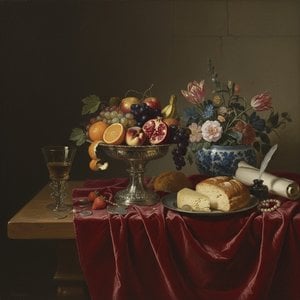
Embark on a sophisticated journey through the history of still life art. From Dutch Golden Age masterpieces to Baroque opulence, explore the profound symbolism and timeless beauty of the world's most exquisite table compositions.

Embark on a visual journey through history's most opulent masterpieces. Explore the breathtaking beauty of Baroque banquets and fruit still lifes, celebrating themes of abundance and luxury through the lens of timeless classical art expertise.

Explore the profound beauty of fruit arrangement masterpieces. From Dutch Golden Age opulence to Baroque chiaroscuro, discover the art history, symbolism, and timeless elegance of classical still life paintings for the discerning collector.
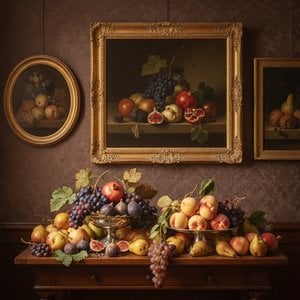
Discover the profound beauty of fruit still life paintings. Explore the rich symbolism, Baroque mastery, and timeless allure of nature's bounty through an art-historical lens, perfect for collectors and enthusiasts of classical fine art.

Embark on a sophisticated journey through art history with our exploration of still life masterpieces. Discover the profound symbolism behind classical paintings of drinks and fruit, curated for the true connoisseur seeking timeless elegance and academic depth.

 실제 크기로 보기
 보내기
보내기 공유하기
공유하기
 상세 보기
상세 보기 가이드 보기

 이미지 다운로드
 유사 작품 더 보기
 X-레이
X-레이 슬라이드 쇼 보기
 Q&A
Q&A 통계 정보
통계 정보 상세 보기
상세 보기









 유리 옵션은 110cm 미만 크기에서만 선택 가능합니다.


