
빠른 제작과 다양한 마감 옵션을 제공하는 박물관 품질의 지클레이 또는 캔버스 프린트. ( 손으로 그린 그림 구매 디지털 이미지로 전환)





























작품의 원본 비율을 유지하는 미리 설정된 크기 중에서 선택하세요.

특정 프레임이나 공간에 맞춰 직접 치수를 입력하실 수 있습니다. 선택하신 사이즈가 원본 이미지의 비율과 일치하지 않을 경우, 작품을 크롭(자르기)하거나 이미지를 대칭 또는 단색 채우기로 확장하여 제작합니다. 제작 시작 전, 최종 확인을 위해 디지털 목업이 전송됩니다.
화면상의 미리보기는 실제 크롭이나 확장 상태를 반영하지 않으므로, 최종 구도는 오직 목업을 통해서만 정확하게 확인하실 수 있습니다.
맞춤 사이즈 제작도 가능하지만, 원본 비율을 유지하기 위해서는 사전 정의된 목록에서 치수를 선택하시는 것을 권장합니다.

Scène de cabaret
복제본 크기
In the heart of early 19th-century Paris, amidst the shifting political tides between the reign of Louis XVI and the rise of Napoleon Bonaparte, there existed a world of shared laughter, whispered secrets, and communal revelry. Louis Léopold Boilly’s “Scène de cabaret” serves as a masterful time capsule, capturing this ephemeral energy with the precision of a photographer and the soul of a poet. The painting invites us into a bustling tavern, where the boundaries between social classes seem to blur under the warmth of shared companionship. As we gaze upon the crowded composition, we are not merely observers of a distant historical moment; we are participants in a lively gathering, drawn into the rhythmic pulse of a society finding joy in the simple act of togetherness.
The subject matter is a quintessential example of genre painting, focusing on the unvarnished beauty of everyday life. Boilly meticulously populates the cabaret with figures engaged in the timeless rituals of socialization—sipping wine, leaning into intimate conversations, and navigating the lively movement of a public space. This microcosm of bourgeois society offers a profound sense of intimacy, making it an ideal centerpiece for those looking to bring a sense of lived-in history and warmth to a sophisticated interior.
Technically, “Scène de cabaret” is a triumph of the École de peinture française Realism. Boilly’s approach eschews the idealized grandeur of Romanticism in favor of an unflinching, tactile accuracy. Through the careful layering of oil paints on canvas, he achieves a remarkable textural depth that rewards close inspection. One can almost feel the rough weave of a woolen waistcoat, the cool smoothness of a polished wooden table, and the delicate crispness of white linen collars. This commitment to detail is supported by a sophisticated use of linear perspective, which guides the viewer’s eye through the dense crowd, creating an immersive sense of three-dimensional space.
The color palette is intentionally restrained, relying on a harmonious arrangement of muted earth tones—rich browns, soft beiges, creamy whites, and subtle grays. This sophisticated, neutral scheme allows the nuances of light and shadow to take center stage. The lighting within the scene feels natural and diffused, as if filtered through a high tavern window, casting a gentle glow that avoids harsh shadows and instead bathes the subjects in an even, inviting light. For the discerning collector or interior designer, this balanced palette offers incredible versatility, complementing both classical and contemporary decor with its understated elegance.
Beyond its technical brilliance, the painting resonates with a deep emotional intelligence. There is a palpable sense of conviviality—a celebration of the human spirit that remains universally relatable across centuries. The composition, while crowded, maintains a sense of stability through its horizontal format, yet it vibrates with an underlying dynamism. Every figure contributes to a larger narrative of connection and shared experience, making the artwork feel less like a static image and more like a captured breath of life.
To possess a reproduction of this work is to bring more than just paint and canvas into a home; it is to invite an atmosphere of cultured nostalgia and spirited warmth. Whether placed in a grand library or a cozy dining nook, “Scène de cabaret” acts as a conversation starter, evoking the charm of old Paris and the enduring beauty of the human connection. It remains a timeless tribute to the art of living well.


1761 - 1845

Journey through the soul of Contemporary Realism. Explore 10 iconic masterpieces, uncovering the stories and techniques behind these lifelike triumphs. Find inspiration for your decor with museum-quality art reproductions. Discover all masterpieces on WahooArt.com.
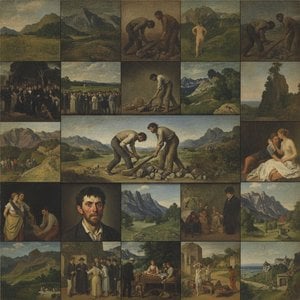
Immerse yourself in the raw power of Realism with our curated guide to the top 25 Gustave Courbet masterpieces. From iconic landscapes to profound social portraits, explore the stories behind these timeless works and find museum-quality reproductions. Discover all masterpieces on WahooArt.com


 미리보기
미리보기
 공유하기
공유하기 공유하기
공유하기
 상세 정보
상세 정보 가이드 보기

 다운로드
다운로드
 유사 작품
유사 작품 X-레이
X-레이 슬라이드 쇼
 통계 정보
통계 정보


 더 보기
더 보기









 유리 옵션은 110cm 미만 크기에서만 선택 가능합니다.


