x
미리보기미리보기 AR 미리보기AR 미리보기 손으로 그린 그림 구매 손으로 그린 그림 구매이미지 구매 이미지 구매 공유하기공유하기
상세 정보상세 정보 즐겨찾기에 추가 즐겨찾기에 추가 다운로드다운로드 유사 작품유사 작품 X-레이X-레이 슬라이드 쇼슬라이드 쇼

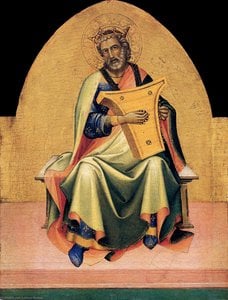
The Nativity

Explore Lorenzo Monaco’s ‘The Nativity’ (1405). A stunning Gothic masterpiece featuring intricate detail, gold leaf & a serene depiction of the birth of Christ. Discover Renaissance art!

로렌초 모나코(1370-1425)는 고딕 우아함과 초기 르네상스 혁신을 잇는 피렌체 화가입니다. 그의 영적인 예술, 섬세한 세부 묘사, '피에타', '천국의 여왕 대관' 등의 대표작을 만나보세요.

지클레 / 아트 프린트

빠른 제작과 다양한 마감 옵션을 제공하는 박물관 품질의 지클레이 또는 캔버스 프린트. (손으로 그린 그림 구매 손으로 그린 그림 구매이미지 구매 이미지 구매)

P118B $10
P118H $10
P118W $10
P438Z $10
P508JH $12
P508YH $12
P805H $10
P805Z $10
P919BZ $10
P919G $10
P919XJ $10
P959ZH $10
P968JZ $12
W106C $8
W218G $10
W218JH $8
W218Y $10
W307PJ $10
W316G $10
W316PJ $8
W316Y $10
W398PJ $8
W4111J $10
W500HY $15
W500JH $15
W692G $12
W849H $8
W940BG $15
W953PJ $8

표준 규격
맞춤형
CM
INCH

작품의 원본 비율을 유지하는 미리 설정된 크기 중에서 선택하세요.

가로 너비
세로 길이

특정 프레임이나 공간에 맞춰 직접 치수를 입력하실 수 있습니다. 선택하신 사이즈가 원본 이미지의 비율과 일치하지 않을 경우, 작품을 크롭(자르기)하거나 이미지를 대칭 또는 단색 채우기로 확장하여 제작합니다. 제작 시작 전, 최종 확인을 위해 디지털 목업이 전송됩니다.
화면상의 미리보기는 실제 크롭이나 확장 상태를 반영하지 않으므로, 최종 구도는 오직 목업을 통해서만 정확하게 확인하실 수 있습니다.
맞춤 사이즈 제작도 가능하지만, 원본 비율을 유지하기 위해서는 사전 정의된 목록에서 치수를 선택하시는 것을 권장합니다.

전 세계 배송()은 일반적인 4~5주의 소요 기간 대신 2주 이내에 완료됩니다. (5 9월)

why_choose_icon
전 세계 무료 특급 배송
why_choose_icon
프리미엄 린넨 캔버스
why_choose_icon
전체 배송 보험 보장
why_choose_icon
관세 환불 보장
why_choose_icon
실제 색상 일치 보장
why_choose_icon
60일 이내 반품 정책 (제조 결함 시)
why_choose_icon
100% 환불 보장
why_choose_icon
다량 구매 할인 혜택

총 합계 금액

$ 68

reproduction

The Nativity

지클레 / 아트 프린트

복제본 크기

-

최종 결제 금액

$ 68

작품 정보 요약

  • Dimensions: 22 x 31 cm
  • Medium: Tempera on wood panel
  • Influences:
    • Giotto
    • Spinello Aretino
  • Artistic style: Hierarchical composition
  • Artist: Lorenzo Monaco
  • Subject or theme: Religious scene
  • Location: Metropolitan Museum of Art, New York City

Lorenzo Monaco’s Vision: Bridging Gothic Grace and Early Renaissance Innovation

Lorenzo Monaco (1370-1425), a Florentine Monk’s Artistic Journey Lorenzo Monaco, born Piero di Giovanni around 1370 in Siena, stands as an extraordinary figure—a conduit between the opulent elegance of the Trecento Gothic style and the nascent fervor of the Quattrocento Renaissance. Biographical details surrounding his life remain elusive, yet his artistic output speaks volumes about a profound engagement with spiritual contemplation and a remarkable ability to synthesize disparate influences into a singularly distinctive aesthetic. Apprenticed in Florence under masters like Giotto, Spinello Aretino, and Agnolo Gaddi—artists who established a bedrock of narrative clarity and emotional resonance—Monaco absorbed the lessons of tradition while simultaneously pushing boundaries toward a more humanist vision. His decision to join the Camaldolese order in 1390 at Santa Maria degli Angeli wasn’t merely a personal commitment; it fundamentally shaped his artistic sensibilities, imbuing his works with an introspective depth that distinguishes them from many contemporaries.

The Artwork: ‘The Nativity’ – A Gothic Masterpiece Illuminated

‘The Nativity,’ executed in 1405, is a breathtaking tempera painting measuring just 22 x 31 cm and currently housed at the Metropolitan Museum of Art in New York City. This artwork exemplifies Early Italian Renaissance art, characterized by meticulous realism and masterful use of gold leaf—a technique borrowed directly from Gothic traditions to heighten visual splendor. The scene depicts the traditional Christian narrative: Mary cradling Jesus in a manger, attended by Joseph, angels radiating divine luminescence, and other figures embodying piety and reverence. Color palettes are subdued, dominated by earthy hues that foster an atmosphere of warmth and intimacy – a deliberate contrast to the grandeur often associated with religious art during this period. Notably, the angelic wings shimmer with gold leaf, mirroring the halos surrounding Jesus’ head, symbolizing God's grace and illuminating the composition with ethereal light.

Composition & Technique: Layers of Detail and Geometric Precision

The painting’s compositional structure is carefully considered, utilizing diagonal lines created by the postures of the figures to guide the viewer’s gaze toward the central focal point—the infant Jesus. Architectural elements within the stable contribute to this dynamic arrangement, reinforcing the sense of depth achieved through a flattened perspective typical of panel paintings from the Quattrocento. Lines are predominantly straight and geometric, delineating the structure of the stable and capturing the folds of drapery with remarkable accuracy. Shapes are largely defined by rectangular forms—the stable itself—and rounded forms—representing human faces—creating harmonious balance within the scene. Monaco skillfully employs glazing techniques to build up texture and color gradually, resulting in a surface that possesses subtle luminosity and captures the nuances of light and shadow.

Symbolism & Emotional Resonance: Echoes of Faith

Beyond its visual beauty, ‘The Nativity’ resonates deeply with theological symbolism. The animals present—oxen and donkey—represent humility and innocence, mirroring Jesus' humble origins. Furthermore, the angel hovering above embodies divine intervention, conveying a profound sense of spiritual awe. Monaco’s artistic vision transcends mere depiction; it aspires to evoke contemplation and reverence for the sacred event at its core. The dark background serves to accentuate the brilliance of the central figures, reinforcing the painting’s emotional impact—a testament to Monaco's ability to translate faith into enduring visual art.

Comparative Works & Artistic Influences

Considered alongside similar masterpieces like Paolo Di Giovanni Fei’s ‘Virgin and Child Enthroned,’ which showcases comparable use of gold leaf and intricate detailing within Gothic art, and Lorenzo Monaco’s ‘Lamentation over the Dead Christ,’ ‘The Nativity’ exemplifies the artistic dialogues shaping the Renaissance. Stefano Di Sant'agnese’s ‘Virgin and Child’ similarly demonstrates stylistic convergence between Gothic and Early Renaissance traditions. These artworks underscore Monaco’s role as a pivotal figure in establishing a new aesthetic framework—one rooted in humanist ideals yet retaining the spiritual solemnity of its predecessors.

작가 약력

피렌체의 수도승의 비전: 로렌초 모나코의 세계

로렌초 모나코(본명 피에로 조반니, 약 1370년 시에나 출생)는 트레첸토 시대의 고딕 우아함에서 콰트로첸토 시대의 새로운 르네상스 이상으로 넘어가는 중요한 전환기에 위치한 매혹적인 화가입니다. 그의 삶에 대한 자세한 기록은 부족하지만, 그의 예술 여정은 적응, 혁신, 그리고 깊이 느껴지는 영성의 감동적인 이야기를 보여줍니다. 피렌체에서 도제 생활을 하면서 조토, 스피넬로 아레티노, 안젤로 가디와 같은 거장들의 교훈을 흡수하며 서사적 명확성과 정서적 공명을 확립했습니다. 그러나 1390년 산타 마리아 데글리 안젤리의 카말돌레스 수도원에 들어가 수도 생활을 선택한 것이 그의 예술적 정체성을 진정으로 형성하고 그가 가장 잘 알려진 이름인 로렌초 모나코, 즉 “로렌스 수도승”이라는 이름을 얻게 된 계기가 되었습니다. 이러한 명상적인 삶에 대한 헌신은 그의 작품의 성격에 깊이 영향을 미쳐 내성적인 품질과 종교적 주제에 대한 집중을 불어넣었습니다.

고딕 우아함과 르네상스 기운의 조화

모나코의 초기 작품들은 1390년대부터 등장하여 유럽 전역에서 유행하던 국제 고딕 양식에 대한 뛰어난 이해를 보여줍니다. 이 그림들은 세련된 우아함, 섬세한 선형미, 그리고 처음에는 색상 범위가 절제된 팔레트를 특징으로 합니다. 그러나 이러한 확립된 틀 안에서도 그의 개별적인 예술적 목소리가 서서히 나타나기 시작합니다. 그는 동시대 화가인 로렌초 기베르티와 게라르도 스타르니나의 영향을 받아 그들의 정교한 구성과 세부 사항에 대한 관심을 작품에 통합했습니다. 시간이 지나면서 모나코의 스타일은 점점 길쭉한 인물, 유연하고 흐르는 옷자락, 날카로운 선, 특히 금과 라피스 라즐리의 화려한 색조를 선호하는 것으로 특징지어졌으며 미묘하고 거의 비현실적인 빛의 품질이 나타났습니다. 그의 몸짓은 종종 절제되어 노골적으로 표현하기보다는 내면의 감정을 암시하며 공간적 배열은 엄격한 사실주의보다 상징적 공명을 우선시하는 경향이 있습니다. 그는 끊임없이 강한 영적 가치를 담고 있는 장면을 묘사하려고 노력했으며 순수한 자연주의적 표현 추구로부터 거리를 두었습니다.

신앙과 예술 혁신의 걸작들

모나코의 광범위한 예술 작품은 패널 그림, 프레스코화, 그리고 필사본 삽화를 포함합니다. 피렌체 아카데미아 미술관에 소장된 <피에타>는 그의 초기 기량을 증명하며 선의 긴장감과 분명하게 느껴지는 감정적 긴장을 보여줍니다. 현재 우피치 미술관을 장식하고 있는 웅장한 <성모 마리아 대관>은 그의 성숙한 스타일을 예시합니다. 유연한 형태와 눈부신 색상으로 표현된 성인들의 생생한 태피스트리입니다. 아카데미아 미술관에 소장된 <몬테올리베토 제단화>는 프라 안젤리코의 작품을 예상하는 깊은 영성을 드러냅니다. 아마도 그의 가장 유명한 업적 중 하나는 <박사의 경배>(1420-1422)인데, 엄격한 기하학적 원근법이 부족하지만 혁신적인 단축법 사용으로 설득력 있고 시각적으로 매혹적인 구성을 만들어냅니다. 바르톨리니 살림베니 예배당의 프레스코화는 그의 몇 안 되는 현존하는 벽화 작품을 보여주며 대규모 장식가로서의 그의 기술을 엿볼 수 있게 해줍니다. 이 작품들은 기술적 탁월함뿐만 아니라 신학적 상징에 대한 깊은 이해와 명확성과 우아함을 갖춘 종교적 이야기를 전달하려는 의지를 보여줍니다.

시대 간극을 연결하는 다리

마사초와 필리포 브루넬레스키의 원근법과 사실주의 혁명과 같은 피렌체에서 일어나는 혁신적인 예술적 흐름에도 불구하고 로렌초 모나코는 이러한 발전으로부터 크게 영향을 받지 않았습니다. 그는 굳건히 자신의 독특한 스타일을 유지하며 후기 고딕 전통과 새로운 르네상스 미학 사이의 격차를 해소하는 독특한 길을 개척했습니다. 조르조 바사리는 그의 <예술가들의 삶>에서 모나코의 재능을 인정하면서도 1425년경 원인 불명의 감염으로 인한 그의 갑작스러운 죽음을 언급했습니다. 자세한 전기적 기록은 제한적이지만, 그의 예술사에 대한 기여는 부인할 수 없습니다. 그는 조토 스타일의 마지막 중요한 지지자로서 그 유산을 보존하면서 동시에 다가오는 예술적 변화를 예고하는 요소를 통합했습니다. 영성, 양식화된 형태, 그리고 세련된 우아함에 대한 그의 강조는 피렌체 회화 내에서 독특한 미학을 나타내며 후대 아티스트들에게 지속적인 영향을 미쳤습니다.

유산과 지속적인 영향

로렌초 모나코의 작품은 섬세한 아름다움, 깊은 신앙심, 그리고 미묘한 혁신으로 계속해서 관람객들을 사로잡고 있습니다. 그는 마사초와 같은 혁명가는 아니었지만 그의 기여는 기존 전통을 조화롭고 개인적인 스타일로 통합하는 능력에 있습니다. 그는 예술적 탁월함이 확립된 규범 내에서 번성할 수 있으며 개별적인 표현과 영적 깊이를 풍부하게 할 수 있음을 보여주었습니다. 그의 영향력은 그의 정교한 기술과 종교적 감성을 높이 평가했던 후대 아티스트들의 작품에서 볼 수 있습니다. 오늘날 그의 그림들은 전환기, 실험, 그리고 예술적 비전을 통해 표현된 믿음의 지속적인 힘을 엿볼 수 있는 귀중한 창문 역할을 합니다.
로렌초 모나코

로렌초 모나코

1370 - 1425 , 이탈리아

주요 정보

  • Artistic Movement Or Style: 고딕, 초기 르네상스
  • Artists Or Movements Influenced By This Artist: ['프라 안젤리코']
  • Artists Who Influenced This Artist:
    • 조토
    • 스피넬로 아레티노
    • 아뇰로 가디
  • Date Of Birth: 약 1370년
  • Date Of Death: 약 1425년
  • Full Name: 로렌초 모나코
  • Nationality: 이탈리아인
  • Notable Artworks (List Of Titles):
    • 피에타
    • 성모대관
    • 몬테올리베토 제단화
    • 박사들의 경배
  • Place Of Birth (City And Country): 시에나, 이탈리아
테마, 스타일 및 특징별로 분류된 작품들을 만나보세요.