

 Tempera On PanelWallArtEarly Renaissance
 1408Renaissance
 63.0 x 45.0 cm
 메트로폴리탄 미술관
빠른 제작과 다양한 마감 옵션을 선택할 수 있는 박물관 수준의 지클레이 및 캔버스 프린트. ( 수작업 채색 복제본 주문하기 디지털 이미지 판매 채널로 전환)





























작품의 원본 비율을 그대로 유지하는 프리셋 사이즈 중에서 선택해 보세요.

액자나 벽면 크기에 맞춰 필요한 가로와 세로 길이를 입력해 주세요. 프린트는 원본 이미지보다 크게 제작할 수 없으며 오직 자르는 것만 가능하므로, 비율이 다른 사이즈를 선택할 경우 이미지의 일부가 잘려 나갈 수 있습니다. 인쇄 작업에 들어가기 전, 최종 확인을 위해 디지털 목업을 보내드립니다. 이 페이지에 표시된 이미지는 실제 잘리는 영역을 나타내지 않으며, 오직 목업을 통해서만 정확한 확인이 가능합니다.
Moses
복제본 규격
In the quiet, hallowed halls of the Metropolitan Museum of Art, there exists a window into the spiritual fervor of the early fifteenth century. Lorenzo Monaco’s Moses, painted in 1408, is far more than a mere depiction of a biblical patriarch; it is a luminous portal to the late Gothic soul. As one gazes upon this masterpiece, the first sensation is often one of profound stillness. The figure of Moses does not merely sit; he presides. Seated upon a throne-like chair that suggests both regal authority and sacred stability, he anchors the composition with an unwavering presence. The artist, a Camaldolese monk, infused the panel with a contemplative depth that transcends the boundaries of time, inviting every viewer—whether an art historian or a modern collector—to partake in a moment of silent meditation.
The technique employed by Lorenzo Monaco is a testament to the exquisite craftsmanship of the Florentine tradition. Utilizing tempera, a medium requiring meticulous, layer-by-layer application, the artist achieved a texture that feels both delicate and enduring. The most striking feature, however, is the masterful integration of gold leaf. This precious element does not merely decorate the background; it breathes life into the scene, creating a celestial radiance that seems to emanate from within the painting itself. This use of light serves to dissolve the physical boundaries of the architectural structure behind Moses, replacing the mundane world with a shimmering, divine atmosphere that elevates the subject from a historical figure to an eternal icon.
Every element within this composition is heavy with theological significance. The two tablets held firmly in Moses' hands are the focal point of his narrative identity, bearing pseudo-Hebrew script that symbolizes the Ten Commandments. These stones represent the intersection of divine law and human existence, a theme that resonates deeply with the religious landscape of the early Renaissance. The way Moses grips these tablets suggests not just the delivery of a message, but the immense responsibility of a leader chosen by God. His facial expression, characterized by a thoughtful and somber gaze, mirrors the gravity of the laws he carries.
The architectural elements surrounding the figure add a layer of structural majesty to the work. The throne and the subtle hints of a temple or palace setting provide a sense of place that is both grounded and otherworldly. For those looking to integrate such a piece into a curated interior, the painting offers a unique balance of grandeur and intimacy. It possesses the ability to anchor a room with its historical weight while providing a sophisticated focal point through its rich textures and warm, golden tones. To possess a reproduction of this work is to bring a fragment of Florentine history and a sense of timeless peace into one's personal sanctuary.
Lorenzo Monaco stands at a pivotal crossroads in art history, acting as a bridge between the flowing, emotive lines of the Gothic era and the structured, humanistic clarity of the Renaissance. His ability to marry the spiritual intensity of his monastic life with the burgeoning technical innovations of his time makes Moses a singular achievement. This painting is not merely an object of study; it is an emotional experience. It captures the tension between the earthly weight of leadership and the ethereal light of divine revelation.
For interior designers and art enthusiasts, this work offers unparalleled inspiration. Its palette of deep tones and brilliant golds complements both classical and contemporary settings, providing a sense of continuity and cultural depth. Whether displayed in a library, a study, or a grand living space, a high-quality reproduction of this masterpiece serves as a profound reminder of the enduring power of sacred art to move the human spirit.


1370 - 1425 , 이탈리아

Embark on a visual journey through the world's most radiant masterpieces. Discover how gold leaf, impasto textures, and gilded tones define luxury in fine art, from Byzantine icons to modern abstracts. Explore the eternal allure of gold in curated, museum-quality art collections.
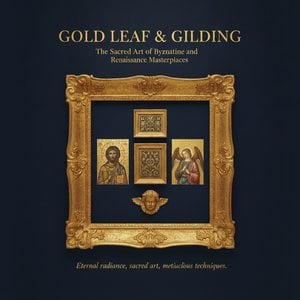
Explore the divine mastery of Byzantine gold leaf and gilding. Discover how ancient artisans used gold ground and mosaics to create celestial light, a timeless legacy of spiritual splendor and technical excellence in sacred art history.

Transform your interiors with the timeless radiance of gold leaf art. Discover museum-quality, hand-painted oil reproductions and bespoke gilded commissions. From Byzantine splendor to Klimt’s brilliance, explore exquisite pieces curated for the most discerning luxury collectors.

Journey through history with 10 legendary tempera masterpieces. From Renaissance icons to breathtaking egg tempera techniques, explore the stories behind these timeless works. Find museum-quality art reproductions and decor inspiration. Discover all masterpieces on WahooArt.com.

Journey through history with 10 legendary tempera on panel masterpieces. From Renaissance icons to gold-leafed wonders, explore the stories behind these timeless works and find museum-quality art reproductions for your space. Discover all masterpieces on WahooArt.com.

 실제 크기로 보기
 보내기
보내기 공유하기
공유하기
 상세 보기
상세 보기 가이드 보기

 이미지 다운로드
 유사 작품 더 보기
 X-레이
X-레이 슬라이드 쇼 보기
 통계 정보
통계 정보 상세 보기
상세 보기









 유리 옵션은 110cm 미만 크기에서만 선택 가능합니다.


