
 Oil On CanvasWallArtItalian Renaissance
 1485Renaissance
 95.0 x 75.0 cm
 국립미술관 (National Gallery)
원하는 크기와 액자로 주문 제작되는, 작가들이 직접 캔버스에 손으로 그린 유화 작품입니다. ( 프린트 판매로 전환 디지털 이미지로 전환)





























작품의 원본 비율을 유지하는 미리 설정된 크기 중에서 선택하세요.

특정 프레임이나 공간에 맞도록 직접 크기를 입력할 수 있습니다. 선택하신 크기가 원본 이미지의 비율과 일치하지 않는 경우, 작품을 자르거나 추가적인 손으로 그린 요소를 사용하여 그림을 확장합니다. 제작 시작 전 승인을 위해 디지털 목업을 보내드립니다.
화면 미리 보기는 실제 자르기 또는 확장을 반영하지 않습니다. 최종 구성은 목업을 통해서만 정확하게 확인하실 수 있습니다.
맞춤 크기 제작도 가능하지만, 원본 비율을 유지하기 위해 사전 정의된 목록에서 크기를 선택하시는 것을 권장합니다.

Concert
복제본 크기
To gaze upon Lorenzo Costa’s "Concert" is to step directly into the vibrant, cultured heart of the Italian Renaissance. This painting is not merely a depiction of musicians; it is an auditory experience rendered visible, a moment suspended in time where artistry and human connection converge. The composition immediately draws the viewer into the warm glow of what must have been a magnificent gathering. Three figures stand poised, each intimately connected to their craft through the instruments they hold—guitars resting ready, suggesting melodies about to spill forth.
The sheer profusion of musical implements speaks volumes: cellos anchor the scene near the center, while a delicate violin waits in the lower right. These objects are more than props; they are extensions of the artists' souls, embodying the intellectual and emotional life of the era. The air around them feels thick with potential music, a palpable energy that transcends the canvas.
Painted in 1485, this work places us squarely within the burgeoning cultural explosion of Ferrara. Lorenzo Costa (the Elder), whose career spanned the height of Renaissance brilliance, masterfully captures the period's blend of humanist ideals and deep spiritual resonance. While his biography speaks to his training under masters like Francesco Francia, here we see a confident hand at work, utilizing techniques that lend depth and luminosity to every fold of drapery and every polished curve of wood.
The handling of light across the figures suggests an expert understanding of pictorial space, allowing the viewer's eye to wander naturally from the left-hand musician across the grouping, finally settling on the instruments clustered at the bottom. It is a testament to Renaissance naturalism—a commitment to depicting life not just beautifully, but truthfully.
Beyond the technical brilliance lies a rich tapestry of symbolism. Music itself in art history has always been linked to harmony, divine order, and the very structure of civilized life. In this "Concert," the gathering suggests more than mere entertainment; it hints at patronage, scholarly exchange, and the communal elevation of the spirit through art. The instruments become symbols of knowledge and refined taste, making this piece a profound statement for any collector who values culture.
For the modern admirer or designer, owning a reproduction of this work is acquiring not just decoration, but a conversation starter—a dialogue about beauty, intellect, and enduring human creativity. It imbues a room with an immediate sense of cultivated history.
The emotional impact of "Concert" is one of joyful anticipation. You can almost hear the resonance of the strings, feel the warmth of the gathering, and share in the camaraderie depicted. This painting offers a sophisticated focal point, perfect for an entryway, a library, or a formal drawing-room where conversation and culture are paramount. It invites contemplation while simultaneously celebrating life's most harmonious moments.
To bring this piece into your space is to invite a timeless Italian salon—a place where the pursuit of beauty was considered a sacred endeavor.


1460 - 1535 , 이탈리아

Explore the ethereal beauty of Sandro Botticelli's masterpieces. Delve into the profound symbolism, mythological grace, and technical mastery that define the Italian Renaissance through an expert art-historical lens.
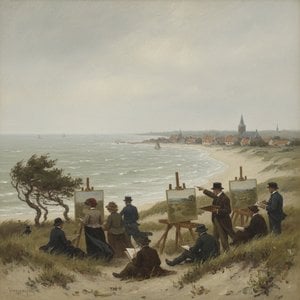
Explore the ethereal beauty of the Hague School art movement. Discover how masters like Jan Weissenbruch captured the atmospheric grey light of the Dutch landscape through unparalleled technique and emotive, misty compositions.

Explore the profound beauty of mythological figures through the lens of art history. From Renaissance masterpieces to custom oil reproductions, discover how legendary tales of heroism and divinity are immortalized in fine art for discerning collectors.

Embark on a sophisticated journey through the eternal allure of mythological art. Discover how master painters breathe life into ancient legends, from Greek deities to Baroque masterpieces, and learn to curate these timeless narratives within your own exquisite art collection.


 미리보기
미리보기
 공유하기
공유하기 공유하기
공유하기
 상세 정보
상세 정보

 다운로드
다운로드
 유사 작품
유사 작품 X-레이
X-레이 슬라이드 쇼
 통계 정보
통계 정보 더 보기
더 보기









 유리 옵션은 110cm 미만 크기에서만 선택 가능합니다.


