

빠른 제작과 다양한 마감 옵션을 제공하는 박물관 품질의 지클레이 또는 캔버스 프린트. ( 손으로 그린 그림 구매 Switch to Digital Image)





























작품의 원본 비율을 유지하는 미리 설정된 크기 중에서 선택하세요.

특정 프레임이나 공간에 맞춰 직접 치수를 입력하실 수 있습니다. 선택하신 사이즈가 원본 이미지의 비율과 일치하지 않을 경우, 작품을 크롭(자르기)하거나 이미지를 대칭 또는 단색 채우기로 확장하여 제작합니다. 제작 시작 전, 최종 확인을 위해 디지털 목업이 전송됩니다.
화면상의 미리보기는 실제 크롭이나 확장 상태를 반영하지 않으므로, 최종 구도는 오직 목업을 통해서만 정확하게 확인하실 수 있습니다.
맞춤 사이즈 제작도 가능하지만, 원본 비율을 유지하기 위해서는 사전 정의된 목록에서 치수를 선택하시는 것을 권장합니다.

The Last Supper (detail)
복제본 크기
“The Last Supper” by Leonardo da Vinci stands as an unparalleled achievement in Renaissance art, captivating audiences centuries after its creation. More than just a depiction of biblical scripture, it’s a profound exploration of human emotion and artistic innovation—a testament to Da Vinci's genius that continues to inspire awe.
Painted between 1495 and 1498 during Ludovico Sforza’s reign in Milan, the fresco embodies the humanist spirit of the era. Unlike earlier religious art focused on stylized figures and symbolic representations, Da Vinci sought to portray human beings with unprecedented realism—capturing not only their physical appearance but also their psychological states. This ambition reflects a broader intellectual movement that prioritized observation and understanding of the natural world alongside theological contemplation.
Da Vinci’s mastery of perspective is immediately apparent upon viewing the painting. He employs linear perspective to create an illusion of depth, positioning Jesus at the center of a table with twelve apostles—a masterful feat that revolutionized artistic technique. Furthermore, Da Vinci skillfully manipulates light and shadow (chiaroscuro) to heighten dramatic tension and convey emotion. The diffused light emanating from the windows casts intricate patterns across the faces of the apostles, emphasizing their expressions and contributing to the overall atmosphere of solemn contemplation.
The composition itself is laden with symbolic significance. Da Vinci meticulously studied human anatomy—a groundbreaking endeavor for his time—to accurately represent the musculature and facial expressions of each apostle. Judas Iscariot’s face, notably rendered in shadow, embodies betrayal and despair—a poignant portrayal of psychological complexity that transcends mere visual representation. The gestures of the apostles convey a range of emotions—surprise, apprehension, disbelief—reflecting their reaction to Jesus' announcement of his impending crucifixion.
"The Last Supper" irrevocably altered the course of art history. Its innovative techniques and psychological depth served as an inspiration for generations of artists who followed Da Vinci—establishing a new standard for realism and emotional expression. Today, reproductions of this iconic masterpiece adorn homes and galleries worldwide, ensuring that its enduring beauty and profound artistic merit continue to resonate with audiences across cultures.

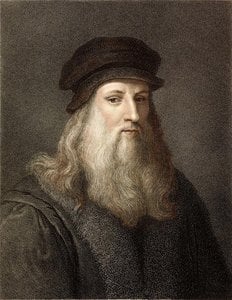
1452 - 1519 , 이탈리아

Explore the profound artistry of The Last Supper through an art historian's lens. From Leonardo da Vinci’s genius to diverse Renaissance interpretations, discover the symbolism and technique behind history's most iconic sacred depictions.

Elevate your home with exquisite, hand-painted Renaissance reproductions by Da Vinci and Michelangelo. WahooArt offers museum-quality oil paintings, bespoke commissions, and expert art consultation for the discerning collector. Experience timeless luxury with our 100% satisfaction guarantee.

Explore the profound genius of Leonardo, Michelangelo, and Raphael. An authoritative deep dive into the High Renaissance masters, analyzing their unique techniques, humanistic vision, and enduring influence on the world of fine art collecting.

 미리보기
미리보기
 공유하기
공유하기 공유하기
공유하기
 상세 정보
상세 정보

 다운로드
다운로드
 유사 작품
유사 작품 X-레이
X-레이 슬라이드 쇼
 Stats
Stats


 더 보기
더 보기









 유리 옵션은 110cm 미만 크기에서만 선택 가능합니다.


