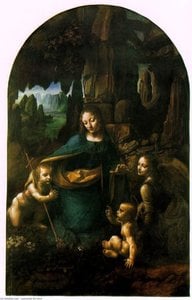
x


작품의 원본 비율을 유지하는 미리 설정된 크기 중에서 선택하세요.

특정 프레임이나 공간에 맞춰 직접 치수를 입력하실 수 있습니다. 선택하신 사이즈가 원본 이미지의 비율과 일치하지 않을 경우, 작품을 크롭(자르기)하거나 이미지를 대칭 또는 단색 채우기로 확장하여 제작합니다. 제작 시작 전, 최종 확인을 위해 디지털 목업이 전송됩니다.
화면상의 미리보기는 실제 크롭이나 확장 상태를 반영하지 않으므로, 최종 구도는 오직 목업을 통해서만 정확하게 확인하실 수 있습니다.
맞춤 사이즈 제작도 가능하지만, 원본 비율을 유지하기 위해서는 사전 정의된 목록에서 치수를 선택하시는 것을 권장합니다.

St Jerome
복제본 크기
Leonardo da Vinci’s “St Jerome in the Wilderness,” painted around 1480, is more than just a religious depiction; it's a profound exploration of human spirituality and an intriguing window into the artist's own psyche. Housed within the Pinacoteca Vaticana, this unfinished masterpiece offers a unique perspective on da Vinci’s artistic process and his evolving style during the High Renaissance.
The painting portrays St. Jerome, the renowned theologian and translator of the Bible, seated amidst a desolate landscape. He is depicted as an aged hermit, deeply engrossed in contemplation. Da Vinci masterfully employs sfumato, his signature technique of blurring lines and softening transitions to create a hazy, atmospheric effect. This lends a dreamlike quality to the scene, enhancing the sense of solitude and introspection. The composition is drafted in monochrome onto the primed wooden panel, showcasing da Vinci’s experimental approach. The use of light and shadow emphasizes Jerome's aged features and the ruggedness of his surroundings. Noticeable are the anatomical studies evident in the rendering of Jerome's neck muscles – a testament to Da Vinci’s scientific curiosity and meticulous observation.
The Italian Renaissance was a period of immense intellectual and artistic flourishing, marked by a renewed interest in classical learning and humanism. Da Vinci, as one of the era's leading figures, embodied this spirit of inquiry. The choice of St. Jerome as a subject reflects the religious fervor of the time, but also allows for exploration of themes like solitude, penance, and intellectual pursuit. Da Vinci’s departure from traditional depictions of St. Jerome – often portrayed in opulent settings – to a stark wilderness setting is significant. It highlights his desire to portray the inner life of the saint rather than external grandeur. The painting's unfinished state provides valuable insight into da Vinci’s working methods, revealing layers of sketches and underpainting that would typically be concealed in a completed work.
The painting is rich with symbolic meaning. St. Jerome is accompanied by a lion, representing both his power over the animal kingdom (legend states he tamed a lion) and a symbol of Christ's strength. The rock he clutches signifies penance and self-mortification – a key aspect of Jerome’s spiritual journey. The distant church faintly sketched in the background hints at Jerome’s aspiration for salvation and his connection to the divine. The barren landscape itself symbolizes the harshness of the desert, representing the challenges and sacrifices inherent in a life dedicated to religious devotion. Even the saint's posture—hunched and weary—speaks volumes about the burdens of spiritual struggle.
“St Jerome in the Wilderness” evokes a profound sense of melancholy and introspection. The painting is not merely a depiction of a saint; it's an exploration of human vulnerability, faith, and the search for meaning. Some art historians suggest that the work reflects da Vinci’s own personal struggles and anxieties, particularly following accusations of sodomy in his youth. Regardless of its biographical context, the painting resonates with viewers through its raw emotional honesty and Da Vinci’s unparalleled ability to capture the complexities of the human spirit.



1452 - 1519 , 이탈리아

프라 안젤리코의 천상의 아름다움을 담은 25개의 명작을 만나보세요. 르네상스 시대 종교화, 금박 기법, 섬세한 색채가 빛나는 예술 작품들을 WahooArt에서 감상하고 특별한 인테리어로 완성하세요. 지금 바로 컬렉션을 탐험하세요!
피렌체 우피치 미술관 최고 걸작 25선을 만나보세요. 빈치, 보티첼리, 미켈란젤로 등 거장들의 숨겨진 이야기와 르네상스 회화의 아름다움을 탐험합니다. WahooArt.com에서 명화 복제본과 예술 작품 인테리어 아이디어를 찾아보세요.
초기 르네상스 미술의 정수를 담은 명작 10! 보티첼리, 다비드 등 거장의 숨결을 느껴보세요. 예술 작품 탄생 비화와 아름다운 색채를 탐구하고, WahooArt.com에서 고품질 아트 프린트 & 인테리어 영감을 얻으세요. 지금 바로 온라인 컬렉션을 만나보세요!

Journey back to the dawn of Renaissance art! Explore 10 iconic Proto-Renaissance masterpieces by Giotto, Cimabue & Duccio. Discover their stories, techniques & lasting impact. Find museum-quality reproductions for your home at WahooArt.com

Explore the revolutionary art of Antonio da Correggio, a master of Renaissance illusionism and chiaroscuro. Discover his frescoes, mythological paintings & lasting influence on Baroque art. Expert analysis & key works featured.


최신 미술 뉴스, 특별 혜택 및 인테리어 아이디어를 가장 먼저 만나보세요.
프로젝트에 대해 알려주시면 저희 미술 전문가들이 맞춤형 아트 제안 3가지를 전달해 드립니다.
당신만을 위한 맞춤형 옵션 3가지를 무료로 추천해 드립니다!
 작품 구매하기
 공유하기
공유하기 공유하기
공유하기
 상세 정보
상세 정보

 다운로드
다운로드
 유사 작품
유사 작품 X-레이
X-레이 슬라이드 쇼


 더 보기
더 보기






































 유리 옵션은 110cm 미만 크기에서만 선택 가능합니다.