
원하는 크기와 액자로 주문 제작되는, 작가들이 직접 캔버스에 손으로 그린 유화 작품입니다. ( 프린트 판매로 전환 디지털 이미지로 전환)





























작품의 원본 비율을 유지하는 미리 설정된 크기 중에서 선택하세요.

특정 프레임이나 공간에 맞도록 직접 크기를 입력할 수 있습니다. 선택하신 크기가 원본 이미지의 비율과 일치하지 않는 경우, 작품을 자르거나 추가적인 손으로 그린 요소를 사용하여 그림을 확장합니다. 제작 시작 전 승인을 위해 디지털 목업을 보내드립니다.
화면 미리 보기는 실제 자르기 또는 확장을 반영하지 않습니다. 최종 구성은 목업을 통해서만 정확하게 확인하실 수 있습니다.
맞춤 크기 제작도 가능하지만, 원본 비율을 유지하기 위해 사전 정의된 목록에서 크기를 선택하시는 것을 권장합니다.

Sedge.jpg
복제본 크기
In the quiet corners of art history, where the boundary between scientific inquiry and pure aesthetic beauty dissolves, lies Leonardo da Vinci’s 'Sedge.' Created circa 1510, this exquisite monochrome study transcends its humble botanical subject to offer a window into the very soul of the High Renaissance. At first glance, one sees only a delicate specimen of sedge grass, rendered with such meticulous precision that the viewer can almost feel the dampness of the earth from which it grew. Yet, beneath this surface of simple observation lies the profound mastery of a polymath who saw the universe not as a collection of separate entities, and art and science as distinct disciplines, but as a single, breathing tapestry of interconnected forms.
The piece is a masterclass in sfumato, Leonardo’s signature technique of soft, smoky transitions. Through the subtle manipulation of graphite on paper, he achieves an atmospheric depth that breathes life into the plant's slender leaves. There are no harsh outlines here; instead, edges dissolve into light and shadow, creating a sense of luminosity that makes the organic matter appear to pulse with a quiet, internal energy. This delicate interplay of tones allows the artist to capture the intricate textures of the sedge—the way light catches a curved blade and how deep shadows nestle within the cluster of stems—providing an almost tactile experience for the observer.
To understand 'Sedge' is to understand the intellectual climate of Leonardo’s later years in France, a period marked by an intense focus on empirical observation. This sketch is more than a mere drawing; it is a testament to the humanist movement that championed reason and direct engagement with the natural world as pathways to divine understanding. During this era, the act of sketching a plant was an act of discovery. Leonardo’s dedication to anatomical precision—usually reserved for the human form—is here applied to the botanical, treating the structure of the grass with the same reverence and analytical rigor he applied to the musculature of man.
The symbolism embedded within this unassuming work is as profound as its technique. The sedge, a plant known for its resilience and ability to thrive in varied environments, serves as a metaphor for adaptability and the enduring strength of life. In the hands of Da Vinci, the ephemeral nature of a single plant becomes a meditation on the fleeting moments of existence. For the modern collector or interior designer, this piece offers a sense of serene stillness, making it an ideal focal point for spaces that require a touch of classical elegance and intellectual depth. It brings with it a quiet authority, inviting contemplation and a deeper connection to the natural rhythms of the world.
For those seeking to curate a space filled with inspiration, a high-quality reproduction of 'Sedge' provides an unparalleled opportunity to possess a fragment of Renaissance genius. Its monochromatic palette and classic composition allow it to integrate seamlessly into diverse interior styles, from the minimalist modern gallery look to the rich, layered textures of a traditional study. It does not merely decorate a wall; it anchors a room with its historical weight and artistic sophistication.
Owning such a work is an invitation to engage with the legacy of one of history's greatest visionaries. It serves as a constant reminder of the beauty found in the smallest details and the infinite complexity hidden within the simplest forms. Whether displayed as a standalone masterpiece or part of a larger collection of fine art, 'Sedge' continues to captivate, offering a timeless elegance that resonates across centuries.


1452 - 1519 , 이탈리아

Explore the exquisite intersection of science and art in botanical illustration. Discover the history, technical mastery, and timeless beauty of scientific floral studies from Renaissance masters to modern collectors.

Discover the exquisite era of Victorian Naturalism. Explore how master artists blended scientific precision with breathtaking realism to capture the soul of nature through botanical oil paintings and legendary landscapes.

Discover the timeless elegance of hand-painted botanical art. From Impressionist florals to Victorian realism, elevate your luxury interiors with museum-quality oil reproductions and bespoke commissions curated by WahooArt's master artists.
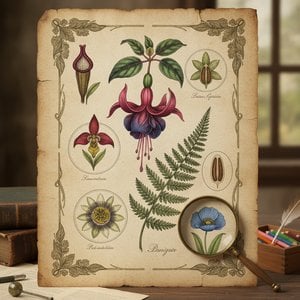
Discover the exquisite world of Victorian botanical art. Explore the intersection of scientific precision and luxury aesthetics through masterfully curated floral illustrations and hand-painted oil reproductions for discerning collectors and fine interiors.


 미리보기
미리보기
 공유하기
공유하기 공유하기
공유하기
 상세 정보
상세 정보 가이드 보기

 다운로드
다운로드
 유사 작품
유사 작품 X-레이
X-레이 슬라이드 쇼
 통계 정보
통계 정보

 더 보기
더 보기









 유리 옵션은 110cm 미만 크기에서만 선택 가능합니다.


