

웹 미리보기 화면을 훨씬 뛰어넘는 인쇄용 파일을 만나보세요. 저희가 판매하는 모든 디지털 이미지는 스톡 데이터베이스 내의 고해상도 마스터 파일(일반적으로 가로 5,000~15,000픽셀)을 기반으로 합니다. 따라서 대형 인쇄나 정밀한 크롭 작업 시에도 세밀한 디테일을 자신 있게 구현할 수 있습니다.
저희 스튜디오를 거치는 모든 파일은 정교한 손길을 거칩니다. 디지털 전문가가 원작과 대조하여 색상을 점검하고 필요 시 보정하며, 전문 리터칭 도구를 사용하여 선명도와 디테일을 높입니다. 이 과정에서 작가의 붓 터치와 화풍을 충실히 유지하는 것을 원칙으로 합니다. 그 결과, 단순한 스캔본에 필터를 입힌 듯한 느낌이 아닌, 마치 실제 회화 작품을 보는 듯한 이미지를 구현해냅니다.
최종 완료 전 확인 단계가 있습니다. 전문가가 검토하실 수 있도록 72시간 이내에 이미지를 이메일로 보내드립니다. 결과물이 만족스럽지 않으신가요? 수정이나 보완을 요청하시거나, 품질이 기대에 미치지 못할 경우 환불을 요청하실 수 있습니다.
출판사, 디자인 스튜디오, 갤러리 및 인쇄소가 신뢰하는 바로 그 품질입니다.
개인 소장 및 전시, 인쇄, 창작 프로젝트를 위한 고해상도 파일을 다운로드하세요. ( 프린트 판매로 전환 수작업 채색 복제본 주문하기)
WahooArt.com를 선택하시면 단순히 이미지를 받는 것을 넘어, 정밀한 보정 과정을 거쳐 완성된 전문적인 디지털 예술 작품을 만나보실 수 있습니다. 모든 주문에는 만족 보장 서비스가 포함되어 있으며, 다음과 같은 사항들이 자동으로 제공됩니다:
주문 후 72시간 이내에 고해상도 디지털 이미지 파일이 이메일로 발송되며, 즉시 사용하실 수 있습니다.
귀하의 작품은 첨단 AI 기술과 정교한 수동 편집 과정을 거쳐 전문적으로 최적화되며, 이를 통해 디테일과 선명도, 색상의 정확도를 극대화합니다.
파일을 실수로 삭제하거나 분실하셨나요? 걱정 마세요. 언제든 무료로 다시 보내드립니다.
관세, 부가세, 배송비 부담 없이 작품을 즉시 소장하세요 - 디지털 다운로드는 언제나 면세 혜택이 적용됩니다.
전문적인 도구와 색상 관리 시스템을 통해 디지털 이미지가 원본의 색상을 최대한 정확하게 구현하도록 보장합니다.
구매하신 디지털 이미지에 만족하지 못하실 경우, 100일 이내에 별도의 조건 없이 수정 또는 100% 환불을 진행해 드립니다.
만족스럽지 않으신가요? 디지털 파일을 받으신 후 100일 이내라면 어떤 이유로든 조건 없이 전액 환불해 드립니다.
이미지 3매 구매 시 10% 할인 - 5매 구매 시 15% 할인 - 10매 이상 구매 시 20% 할인. 크리에이티브 프로젝트, 갤러리, 에이전시에 매우 유용합니다.
Leonardo da Vinci's "Neptun," often referred to simply as "Neptune," is not merely a painting; it’s a dramatic embodiment of Roman mythology, rendered with an arresting intensity that speaks volumes about the artist’s mastery of composition, light, and psychological depth. Completed around 1482, this charcoal drawing on black chalk offers a glimpse into da Vinci's early explorations of figure work and his fascination with classical themes – specifically, the turbulent power of the sea god Poseidon. Unlike many of his later, more polished works, “Neptun” retains a raw energy, a sense of immediacy that reflects its status as a preliminary study rather than a finished masterpiece.
The scene depicts Neptune, king of the gods and ruler of the oceans, seated upon a shell-shaped rock. He’s not presented in the idealized form often found in Renaissance sculpture; instead, da Vinci captures him with a palpable sense of authority and even a hint of brooding intensity. His posture is deliberately forceful, his gaze fixed ahead as if commanding the waves themselves. The figure is rendered with rapid, confident strokes – a characteristic of Leonardo’s working method – revealing the underlying structure beneath the surface. Notice how he uses hatching to create texture and volume, particularly in the folds of his drapery and the swirling patterns of the sea.
Da Vinci's technique is immediately striking. The charcoal is applied with a remarkable degree of spontaneity, creating a dynamic sense of movement that contrasts sharply with the static quality often associated with Renaissance art. He masterfully employs hatching – closely spaced parallel lines – to build up tones and create an illusion of depth and texture. The use of light and shadow is particularly effective in conveying the drama of the scene; the dark background emphasizes Neptune’s form, while strategically placed highlights draw attention to his face and hands.
Compositionally, “Neptun” is a tour de force. The figure dominates the frame, yet he's not isolated. The swirling waves, depicted with loose, expressive strokes, create a sense of chaos and power that mirrors Neptune’s dominion over the sea. The inclusion of Amphitrite, Neptune’s consort, riding on his back, adds another layer of visual interest and reinforces the theme of royal authority. The placement of the birds – one soaring above, another diving below – subtly connects the earthly realm with the divine, suggesting a broader cosmic order.
“Neptun” is deeply rooted in Roman mythology, drawing upon centuries of tradition surrounding Poseidon. The shell-shaped rock serves as Neptune’s throne, symbolizing his connection to the sea – the very essence of his power. The turbulent waves are not merely decorative; they represent the unpredictable and potentially destructive forces that lie beneath the surface. The presence of birds, often associated with divine messengers or omens, adds a layer of symbolic complexity.
Interestingly, da Vinci’s depiction deviates slightly from traditional portrayals of Neptune. He doesn't present him as a benevolent protector; instead, he captures a more formidable and even somewhat menacing figure – a god who commands respect through sheer force of will. This nuanced portrayal reflects da Vinci’s broader interest in exploring the complexities of human nature and the darker aspects of the divine.
Despite its status as an early study, “Neptun” reveals da Vinci's burgeoning genius and his willingness to experiment with new techniques. It demonstrates his ability to capture not just the physical appearance of a subject but also their psychological state – a skill that would become increasingly central to his later work. Reproductions of this captivating drawing offer a unique opportunity to appreciate da Vinci’s artistic process and to witness firsthand the genesis of one of the most iconic images in Western art history. Its raw energy and dramatic composition continue to resonate with viewers today, reminding us of the enduring power of classical mythology and the boundless creativity of Leonardo da Vinci.
시각적 밝기 측면에서 볼 때, 레오나르도 다 빈치의 "Neptun"은(는) brilliant 수준입니다.
"Neptun"은(는) 디지털 이미지 파일 페이지에서 고해상도 디지털 이미지 다운로드 형태로 직접 구매하실 수 있습니다.
"Neptun"에 대한 방문 통계 페이지가 있습니다. 이 페이지에서는 해당 작품과 작가의 다른 작품들에 대한 월별 방문자 수를 국가 및 언어별로 상세히 확인할 수 있습니다.

레오나르도 다 빈치는 1452년 4월 15일, 이탈리아 토스카나의 아름다운 언덕 마을 빈치 근처에서 세상에 나왔습니다. 그의 탄생은 당시의 특수한 사회적 현실을 고스란히 담고 있었습니다. 그는 성공한 공증인이었던 피에로 프루오시노 디 안토니오 다 빈치와 하층 계급 여성인 카테리나 캄비 사이에서 태어난 서자였습니다. 이러한 배경은 그를 시작부터 토스카나 농촌의 복잡한 사회 구조 속에 놓이게 했습니다. 이후 그는 교육을 위해 피렌체로 이주하게 되는데, 이 도시는 디세뇨(disegno), 즉 정밀한 데생에 집중하는 예술적 분위기를 제공하며 평생 그가 견지할 기술적 접근 방식의 근간이 되었습니다.
열네 살의 나이에 레오나르도 다 빈치는 안드레아 델 베로키오의 작업실에 들어가 도제 생활을 시작했습니다. 이 수련 기간은 그의 기술적 역량을 쌓아 올린 결정적인 토대가 되었습니다. 베로키오의 작업실에서 다양한 공예 사이의 경계는 매우 모호했으며, 그는 화가와 조각가의 도구를 모두 다루는 법을 익혔습니다. 이러한 훈련은 단순히 붓을 다루는 법에 그치지 않았습니다. 그것은 조각의 메커니즘과 다양한 재료가 지닌 물리적 특성을 깊이 이해하는 과정이었습니다. 그는 근육의 움직임을 표면에 떨어지는 빛의 양상과 연결하여 바라보는 독특한 시각을 발전시켰으며, 이러한 통찰력은 유년 시절부터 이어온 엄격한 훈련에 뿌리를 두고 있었습니다.
레오나르도 다 빈치의 예술적 여정은 르네상스 전성기를 이끈 주요 중심지들을 끊임없이 유랑하며 그 궤적을 그려나갔습니다. 그는 1472년부터 1482년경까지, 그리고 다시 1500년에서 1508년 사이의 기간 동안 피렌체를 중심으로 왕성한 활동을 펼쳤습니다. 이 피렌체에서의 시간은 그의 예술적 성장을 위한 필수적인 토대가 되었으나, 그의 삶을 관통하는 장기적인 흐름을 결정지은 것은 밀라노에서의 경험이었습니다. 그는 1482년부터 1499년경까지 밀라노의 루도비코 스포르차 공작을 섬기며 생애의 상당 부분을 보냈습니다. 물론 1508년에서 1513년 사이 밀라노로 다시 돌아오는 등, 그의 봉사 기간이 단절 없이 이어진 것은 아니었습니다.
피렌체와 밀라노가 그의 주된 활동 거점이었음에도 불구하고, 그의 예술적 영향력은 이 두 도시의 경계를 훨씬 넘어 뻗어 나갔습니다. 그의 전문적인 삶은 로마에서의 중요한 작업들을 거쳐, 마침내 프랑스에 이르기까지 광활하게 펼쳐졌습니다. 이러한 지리적 이동성은 그의 화풍이 어느 한곳에 고착되는 것을 막아주는 원동력이 되었습니다. 그는 하나의 궁정에 머물러 안주하는 대신, 이탈리아 반도의 역동적으로 변화하는 정치적 지형을 유연하게 항해했습니다. 특히 밀라노에서의 삶은 궁정과의 끊임없는 대화로 점철되었는데, 이곳에서 공학 및 과학에 대한 그의 깊은 탐구는 예술적 의뢰와 자연스럽게 맞물리며 교차했습니다. 이러한 학문 간의 경계 없는 융합은 그의 예술적 산물이 단순한 장식의 차원을 넘어선, 지적 경이의 결정체로 남을 수 있게 했습니다.
밀라노에서 레오나르도 다 빈치의 존재감은 루도비코 스포르차를 향한 오랜 헌신을 통해 정의됩니다. 이 관계는 그의 예술적 결과물의 규모와 성격을 결정짓는 핵심적인 요소였으며, 당대의 종교적 요구와 스포르차 궁정이 지닌 특수한 정치적 필요 사이에서 끊임없는 조율을 이끌어냈습니다. 이 시기 그의 작업은 단순히 개별적인 과업들의 나열이 아니라, 후원자들의 야망에 끊임없이 응답하며 피어난 예술적 대화였습니다. 그는 통치 가문의 요구사항과 자신만의 기술적 실험 사이에서 균형을 잡으며, 매우 다양한 주제들을 넘나들며 예술적 지평을 넓혀갔습니다.
이러한 후원 관계가 낳은 가장 위대한 결실은 산타 마리아 델레 그라치에 수도원 식당 벽면을 장식한 작업이었습니다. 이 의뢰를 통해 탄생한 걸작이 바로 최후의 만찬입니다. 이 프로젝트는 전통적인 프레스코 기법으로부터의 과감한 탈피를 요구했습니다. 레오나르도 다 빈치는 자신의 작업 방식이 요구하는 느린 층 쌓기와 빈번한 수정을 가능하게 하기 위해, 마스티크를 섞은 유성 물감을 사용하는 파격적인 선택을 내렸습니다. 이러한 선택은 더욱 정교한 세부 묘사를 가능하게 했지만, 동시에 작품에 물리적인 취약성을 부여하여 수 세기에 걸친 복원 작업을 필요로 하게 만들었습니다. 그럼에도 불구하고 이 벽화는 엄격한 원근법의 적용을 통해 인간적 긴장감이 극에 달한 찰나의 순간을 포착하며, 오늘날까지 밀라노의 풍경 속에서 가장 핵심적인 예술적 유산으로 살아 숨 쉬고 있습니다.
현존하는 가장 유명한 회화 작품을 꼽으라면 단연 모나리자일 것입니다. 파리 루브르 박물관에 자리 잡은 이 작품은 다른 어떤 예술품도 쉽게 범접할 수 없는 압도적인 세계적 관심을 한 몸에 받고 있습니다. 이와 더불어, 인체의 완벽한 비율을 탐구한 비트루비우스 인체도는 단순한 드로잉을 넘어 하나의 문화적 아이콘으로 자리매김했습니다. 이러한 걸작들은 복잡한 관찰의 결과물을 현대인의 의식 속에 영원히 각인되는 시각적 언어로 승화시키는 경이로운 능력을 보여줍니다.
종교 예술의 정점은 최후의 만찬을 통해 구현되었습니다. 밀라노 산타 마리아 델레 그라치에 수도원의 식당 벽면에 그려진 이 벽화는 예수가 배신을 예고한 직후의 긴박한 순간을 담아내고 있습니다. 원근법을 활용하여 관람객을 마치 그 현장 속으로 끌어들이는 듯한 연출은 심리적 드라마를 구현하는 예술적 표준이 되었습니다. 레오나르도 다 빈치의 손길이 닿은 작품들에 대한 예술적 가치는 오늘날에도 경이로운 수준입니다. 2017년, 살바토르 문디가 경매에서 4억 5,030만 달러라는 천문학적인 금액에 낙찰된 사실은 그의 예술적 유산이 지닌 가치를 여실히 증명합니다.
레오나르도 다 빈치의 캔버스를 향한 접근 방식은 과학적 관찰과 시각적 재현을 일치시키려는 끊임없는 열망에서 비롯되었습니다. 그는 단순히 인물을 그려내는 것에 그치지 않고, 인체 해부학에 대한 엄격한 탐구를 통해 인물을 재구성해 나갔습니다. 시신을 직접 해부하며 근육과 뼈가 어떻게 기능하는지에 대한 정밀한 이해를 얻은 그는, 해부학적 삽화의 기준을 근본적으로 뒤바꿔 놓은 수준의 정확도로 인체를 묘사할 수 있었습니다. 이는 단순한 외형적 닮음을 넘어, 모든 붓질에 생명력을 불어넣는 구조적 필연성에 가까운 작업이었습니다.
그의 기술적 혁신은 빛과 대기의 조절에 집중되었습니다. 그는 색조의 미묘한 계조를 사용하여 대상의 경계선을 흐릿하게 만드는 스푸마토(sfumato) 기법을 창안해 냈습니다. 이 기법은 윤곽선의 거친 느낌을 제거함으로써, 형상이 마치 연기 같은 안개 속에서 서서히 피어오르는 듯한 효과를 선사했습니다. 또한 그는 키아로스쿠로(chiaroscuro) 기법을 결합하여 빛과 그림자의 상호작용을 정교하게 제어함으로써, 평면 위에 입체적인 볼륨감을 구현해 냈습니다. 이러한 경이로운 효과를 완성하기 위해 그는 느린 건조와 지속적인 층 쌓기를 가능하게 하는 수지인 매스틱을 섞은 유채 물감을 사용하는 등, 당시로서는 파격적인 재료 실험을 멈추지 않았습니다.
레오나르도 다 빈치의 말년은 그의 끊임없는 지적 탐구와 궤를 같이하는 지리적 이동으로 정의됩니다. 1513년부터 1516년까지 로마에서 활동을 이어간 그는, 생의 마지막 단계에 이르러 프랑수아 1세의 초청을 받아 새로운 여정을 시작했습니다. 이러한 변화는 그를 프랑스로 이끌었고, 그곳에서 그는 삶의 마지막 3년을 머물며 작업에 몰두했습니다. 프랑스 궁정에서의 그의 존재는 이미 하이 르네상스의 주요 중심지들을 휩쓸고 지나온 위대한 예술가 여정의 대미를 장식하는 순간이었습니다.
그는 1519년 5월 2일 세상을 떠나기 전까지 프랑스에서 자신의 탐구를 멈추지 않았습니다. 그의 마지막 시절은 평온한 은퇴의 시간이 아니라, 평생을 관통해 온 강렬한 관찰의 연속이었습니다. 프랑스에서 생을 마감한 그는, 과학적 탐구와 시각적 재현이 만나는 지점에서 오늘날까지도 가장 핵심적인 영감을 주는 방대한 예술적 유산을 세상에 남겼습니다.
레오나르도 다 빈치는 서양 미술사에서 여전히 중심적인 인물로 남아 있으며, 그의 위상은 미켈란젤로와 견줄 만큼 유럽 예술의 발전을 형성한 방대한 작품군에 의해 뒷받침됩니다. 그의 영향력은 회화라는 행위를 탐구라는 행위와 분리하기를 거부한 태도에서 비롯되었습니다. 그는 화가이자 데생가, 공학자이자 과학자, 이론가이자 조각가, 그리고 건축가로서 동시에 기능했습니다. 이러한 폭넓은 관심사는 그의 공헌이 결코 단 하나의 매체나 학문에 국한되지 않도록 만들었습니다.
그의 노트들은 이 끊임없는 지성의 가장 직접적인 증거를 제공합니다. 그 기록들은 물의 흐름부터 인체 뼈의 구조적 복잡함에 이르기까지, 세상의 메커니즘을 관찰하는 일을 멈추지 않았던 정신을 드러냅니다. 이러한 경험적 접근 방식은 그의 데생이 단순한 준비 단계의 스케치가 아니라, 자연에 대한 지속적인 탐구를 기록하기 위한 도구였음을 의미합니다. 그는 물리적 세계를 엄격한 관찰을 통해 해독해야 할 하나의 주제로 대했습니다.
그의 영향력이 미친 규모는 다양한 관심사가 서로 교차하는 방식에서 극명하게 드러납니다. 해부학과 빛에 대한 그의 과학적 탐구는 시각적 결과물에 깊은 영감을 주었으며, 이는 이론과 실습 사이의 선순환을 만들어냈습니다. 이러한 학문적 통합은 그가 단순한 재현을 넘어 세상이 작동하는 방식에 대한 심오한 이해로 나아갈 수 있게 했습니다. 그의 유산은 어느 한 분야에 전문화되기를 거부하고, 대신 광범위한 기술적, 과학적 탐구를 통해 존재의 메커니즘을 통달하고자 했던 의지로 정의됩니다.
레오나르도 다 빈치가 남긴 예술적 실체를 직접 마주하기 위해서는 특정 박물관과 미술관을 향한 여정이 필요합니다. 세계에서 가장 유명한 초상화인 모나리자는 여전히 파리의 루브르 박물관에 머물며, 그곳의 핵심적인 상징으로 자리 잡고 있습니다. 또한 크라쿠프의 차르토리스키 박물관에서는 그의 섬세한 숨결이 느껴지는 백색 담비 여인을 만날 수 있습니다. 이러한 장소들은 그가 남긴 가장 위대한 캔버스들을 마주할 수 있는 주요 성지와도 같습니다.
그의 초기 예술적 발달과 기술적 변화의 궤적을 추적하고자 하는 이들에게 피렌체는 여전히 빼놓을 수 없는 목적지입니다. 우피치 미술관에는 수태고지와 그리스도의 세례가 소장되어 있습니다. 이 작품들은 빛과 풍경을 다루는 그의 능력이 어떻게 진화해 왔는지를 직접 비교하며 관찰할 수 있는 소중한 기회를 제공합니다. 작품이 탄생한 본래의 맥락 속에서 이들을 마주하는 것은, 그 규모와 작품이 의도되었던 특유의 환경을 온전히 체감하게 해줍니다.
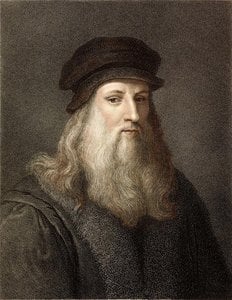
1452 - 1519 , 이탈리아
 미리보기
미리보기
 공유하기
공유하기 공유하기
공유하기
 상세 정보
상세 정보 가이드 보기

 다운로드
다운로드
 유사 작품 더 보기
 X-레이
X-레이 슬라이드 쇼 보기
 질의응답
질의응답
 통계 정보
통계 정보
 더 보기
더 보기


