


빠른 제작과 다양한 마감 옵션을 제공하는 박물관 품질의 지클레이 또는 캔버스 프린트. ( 손으로 그린 그림 구매 이미지 구매)





























작품의 원본 비율을 유지하는 미리 설정된 크기 중에서 선택하세요.

특정 프레임이나 공간에 맞춰 직접 치수를 입력하실 수 있습니다. 선택하신 사이즈가 원본 이미지의 비율과 일치하지 않을 경우, 작품을 크롭(자르기)하거나 이미지를 대칭 또는 단색 채우기로 확장하여 제작합니다. 제작 시작 전, 최종 확인을 위해 디지털 목업이 전송됩니다.
화면상의 미리보기는 실제 크롭이나 확장 상태를 반영하지 않으므로, 최종 구도는 오직 목업을 통해서만 정확하게 확인하실 수 있습니다.
맞춤 사이즈 제작도 가능하지만, 원본 비율을 유지하기 위해서는 사전 정의된 목록에서 치수를 선택하시는 것을 권장합니다.

Garment study for a seated figure
복제본 크기
Leonardo da Vinci’s “Garment Study for a Seated Figure,” housed within the hallowed halls of the Louvre in Paris, isn't merely a preparatory sketch; it’s a profound meditation on form, texture, and the very essence of human representation. Completed around 1470, this unassuming canvas—measuring a modest 266 x 233 cm—offers an unparalleled window into the meticulous process by which one of history's greatest artists approached his monumental works. It’s a study in restraint, a demonstration of observation elevated to an art form, and a testament to Da Vinci’s relentless pursuit of understanding the world around him.
The painting depicts a figure seated on the ground, enveloped partially by a draped cloth—a garment that seems to defy gravity with its intricate folds and subtle textures. A simple hat rests upon their head, adding a touch of quiet dignity to the scene. The background is deliberately understated – a solid wall providing a grounding element without distracting from the primary subject. Yet, within this apparent simplicity lies an astonishing level of detail; every crease, every shadow, every nuance of fabric is rendered with painstaking precision. This wasn’t simply about depicting clothing; it was about dissecting and mastering the language of form itself – a fundamental principle that would inform his later masterpieces like the *Mona Lisa* and *The Last Supper*. The study reveals Da Vinci's fascination with capturing not just the appearance, but the very *feeling* of drapery—its weight, its movement, its interaction with light.
To truly appreciate “Garment Study,” it’s crucial to understand the context within which it was created. Da Vinci's early career unfolded in Florence during the height of the Italian Renaissance—a period characterized by an unprecedented flourishing of art, science, and humanism. He apprenticed under Andrea del Verrocchio, a leading sculptor and painter, absorbing not only technical skills but also a broader intellectual curiosity that would define his entire life’s work. This workshop environment fostered a rigorous approach to artistic training, emphasizing observation, anatomical study, and the careful rendering of detail. The garment study exemplifies this – it's a demonstration of the meticulous groundwork required for any significant artistic endeavor.
It’s important to note that such preparatory studies were commonplace in Renaissance workshops. Artists didn’t typically begin directly on a large canvas; instead, they would create numerous smaller sketches and studies—exploring composition, light, shadow, and the intricacies of subject matter. These preliminary works served as invaluable guides for the final painting, allowing artists to refine their techniques and ensure accuracy before committing themselves to a permanent work.
While seemingly straightforward, “Garment Study” is rich in symbolic potential. The seated figure itself remains anonymous, deliberately devoid of identifying features—a common practice in Da Vinci’s preparatory works. This anonymity allows the viewer to focus entirely on the study's technical brilliance and its exploration of form. The draping fabric isn’t merely decorative; it’s a complex interplay of light and shadow, demonstrating Da Vinci’s mastery of *sfumato*—a technique he would later perfect in his portraits. The subtle gradations of tone create an illusion of depth and volume, making the fabric appear to flow and breathe.
Da Vinci employed a combination of charcoal, pen and ink, and grey wash on prepared paper – a relatively inexpensive medium that allowed him to experiment freely without risking costly pigments. This choice highlights his preference for direct observation and meticulous rendering over elaborate color schemes. The study’s muted palette emphasizes the play of light and shadow, further enhancing its dramatic effect.
For those captivated by the artistry of “Garment Study” – whether as art historians, collectors, or simply admirers of Renaissance genius – WahooArt offers exquisite, hand-painted oil reproduction reproductions. Our skilled artisans meticulously recreate Da Vinci’s nuanced techniques and subtle details, capturing the essence of this remarkable study with unparalleled accuracy. Each reproduction is a testament to Da Vinci's legacy, allowing you to experience his artistic brilliance in stunning detail. Explore our collection today and bring a piece of Renaissance history into your home or office.
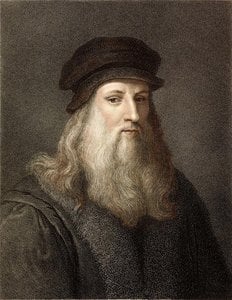
1452 - 1519 , 이탈리아

Explore the profound genius of Leonardo, Michelangelo, and Raphael. An authoritative deep dive into the High Renaissance masters, analyzing their unique techniques, humanistic vision, and enduring influence on the world of fine art collecting.

Elevate your home with exquisite, hand-painted Renaissance reproductions by Da Vinci and Michelangelo. WahooArt offers museum-quality oil paintings, bespoke commissions, and expert art consultation for the discerning collector. Experience timeless luxury with our 100% satisfaction guarantee.


 미리보기
미리보기
 공유하기
공유하기 공유하기
공유하기
 상세 정보
상세 정보

 다운로드
다운로드
 유사 작품
유사 작품 X-레이
X-레이 슬라이드 쇼


 더 보기
더 보기









 유리 옵션은 110cm 미만 크기에서만 선택 가능합니다.


