
원하는 크기와 액자로 주문 제작되는, 작가들이 직접 캔버스에 손으로 그린 유화 작품입니다. ( 프린트 판매로 전환 디지털 이미지로 전환)
작품의 원본 비율을 유지하는 미리 설정된 크기 중에서 선택하세요.

특정 프레임이나 공간에 맞도록 직접 크기를 입력할 수 있습니다. 선택하신 크기가 원본 이미지의 비율과 일치하지 않는 경우, 작품을 자르거나 추가적인 손으로 그린 요소를 사용하여 그림을 확장합니다. 제작 시작 전 승인을 위해 디지털 목업을 보내드립니다.
화면 미리 보기는 실제 자르기 또는 확장을 반영하지 않습니다. 최종 구성은 목업을 통해서만 정확하게 확인하실 수 있습니다.
맞춤 크기 제작도 가능하지만, 원본 비율을 유지하기 위해 사전 정의된 목록에서 크기를 선택하시는 것을 권장합니다.

Equestrian Statue (detail)
복제본 크기
The "Equestrian Statue (detail)" is a fragment of a larger equestrian statue conceived by Leonardo da Vinci. While the full-scale bronze monument was never realized during his lifetime, this detail offers a profound glimpse into Da Vinci's artistic genius and engineering prowess. The subject depicts a figure on horseback, likely representing a Roman soldier or emperor – a common motif in Renaissance art symbolizing power, authority, and military strength. Leonardo began work on equestrian monuments earlier in his career, notably the Sforza monument commissioned by Ludovico Sforza, Duke of Milan. This later iteration, created for Francis I of France, demonstrates a refinement of those initial concepts.
Da Vinci's style is quintessentially High Renaissance, characterized by its realism, anatomical accuracy, and harmonious composition. The bronze casting showcases his mastery of sculpting techniques, capturing the musculature of both horse and rider with remarkable detail. The raised arm of the figure suggests a gesture of command or triumph, while the helmet adds to the sense of military grandeur. Da Vinci's meticulous attention to detail is evident in every curve and contour, demonstrating his deep understanding of human and animal anatomy. The red background in this particular image provides a striking contrast that highlights the statue’s form and texture.
The equestrian statue carries significant symbolic weight. Horses have long been associated with nobility, strength, and victory, while the rider represents leadership and dominion. Da Vinci's choice of subject matter reflects the Renaissance fascination with classical antiquity and its ideals of heroism and civic virtue. The detail presented evokes a sense of power, dignity, and perhaps even melancholy – reflecting the unfinished nature of the original project. The statue’s presence inspires awe and admiration for Da Vinci’s artistic skill and his ability to capture human emotion in bronze.
Despite being an incomplete work, the "Equestrian Statue (detail)" remains a testament to Leonardo da Vinci's enduring legacy. It exemplifies his innovative approach to art and engineering, blending scientific observation with artistic expression. The statue’s presence in the Szépmûvészeti Múzeum in Budapest allows viewers worldwide to appreciate this remarkable piece of Renaissance sculpture. The work continues to inspire artists and scholars alike, solidifying Da Vinci's position as one of history's greatest polymaths.

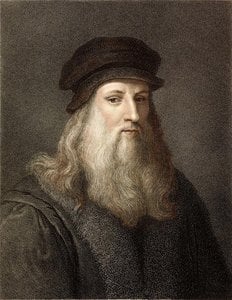
1452 - 1519 , 이탈리아

Discover the enduring allure of bronze sculptures at WahooArt.com. From classical lost-wax casting to modern metal masterpieces, explore museum-quality artworks designed to elevate luxury interiors. Expert curation, authenticity guaranteed, and worldwide shipping for discerning collectors.

Discover the enduring elegance of bronze sculpture. From ancient Roman strength to Art Deco sophistication, explore our expert guide on collecting, casting techniques, and integrating timeless metal masterpieces into your fine art collection.

Discover the enduring allure of bronze sculpture. From the intricate lost-wax process to Neoclassical masterpieces, our expert guide offers connoisseurs deep insights into evaluating patina, historical significance, and integrating metal fine art into sophisticated collections.


 공유하기
공유하기 공유하기
공유하기
 상세 정보
상세 정보 가이드 보기

 다운로드
다운로드
 유사 작품
유사 작품 슬라이드 쇼
 통계 정보
통계 정보


 더 보기
더 보기






































 유리 옵션은 110cm 미만 크기에서만 선택 가능합니다.


