
 ChalkRenaissance Humanism
 1517Renaissance
 278.0 x 184.0 cm
 Royal Library
원하는 크기와 액자로 주문 제작되는, 작가들이 직접 캔버스에 손으로 그린 유화 작품입니다. ( 프린트 판매로 전환 디지털 이미지로 전환)





























작품의 원본 비율을 유지하는 미리 설정된 크기 중에서 선택하세요.

특정 프레임이나 공간에 맞도록 직접 크기를 입력할 수 있습니다. 선택하신 크기가 원본 이미지의 비율과 일치하지 않는 경우, 작품을 자르거나 추가적인 손으로 그린 요소를 사용하여 그림을 확장합니다. 제작 시작 전 승인을 위해 디지털 목업을 보내드립니다.
화면 미리 보기는 실제 자르기 또는 확장을 반영하지 않습니다. 최종 구성은 목업을 통해서만 정확하게 확인하실 수 있습니다.
맞춤 크기 제작도 가능하지만, 원본 비율을 유지하기 위해 사전 정의된 목록에서 크기를 선택하시는 것을 권장합니다.

Equestrian monument
복제본 크기
In the quiet corridors of the Royal Library of Windsor, there exists a fragment of a dream that once threatened to reshape the skyline of Milan. Leonardo da Vinci’s Equestrian Monument is not merely a drawing; it is a profound window into the mind of a polymath who saw no boundaries between art, science, and the monumental. Conceived during the height of the Renaissance, this work captures the essence of an ambition that was too grand for its era to sustain. Through delicate strokes of black chalk, Leonardo invites us into a world where movement is frozen in time, and where the heavy weight of bronze was intended to be transformed into the ethereal grace of a living creature.
The composition serves as a masterclass in Renaissance dynamism. At its heart lies the powerful silhouette of a horse, its head lowered in a gesture that suggests a complex duality of strength and vulnerability. This is not the static, rigid figure of traditional heraldry; it is a study of anatomy and spirit. Surrounding this central protagonist are secondary horses, standing upright like silent sentinels, while the presence of dogs adds a layer of narrative depth—perhaps hinting at themes of loyalty, vigilance, or the untamed nature of the world. A solitary figure on the periphery gazes upon the scene, acting as a surrogate for the viewer, pulling us into this contemplative space where history and myth converge.
To behold this piece is to witness the mastery of chalk as a medium. Leonardo eschewed the heavy, slow-drying layers of oil to embrace the immediacy of black chalk, a choice that allowed him to capture fleeting impressions of light and shadow with unparalleled precision. The technique creates a luminous quality, where the subtle gradations of tone suggest the shimmering musculature of the horse and the soft textures of the surrounding landscape. This delicate approach belies the intended scale of the project; while the drawing is intimate, its soul is colossal, reflecting the artist's ability to translate massive, structural concepts into fine, expressive lines.
Beyond its technical brilliance, the work is steeped in the humanist ideals of the 15th and 16th centuries. The monument was originally envisioned for Francesco Sforza, a figure of immense political power, yet Leonardo’s execution transcends mere propaganda. By focusing on the nuanced anatomy and the emotional weight of the animals, he elevates the subject from a tribute to a ruler to an exploration of the natural order. For the modern collector or interior designer, this piece offers more than just aesthetic beauty; it provides a focal point of intellectual depth, bringing a sense of historical gravity and timeless elegance to any curated space.
Though the physical bronze statue was never cast—lost to the ravages of war and the logistical nightmares of its era—the spirit of the Equestrian Monument remains indestructible. It stands as a testament to the "Great Horse" that never was, a phantom masterpiece that continues to inspire awe. For those seeking to adorn their homes or galleries with works of profound significance, a high-quality reproduction of this drawing offers a rare opportunity to possess a piece of the Renaissance spirit.
Integrating such a work into an interior design scheme allows for a sophisticated dialogue between the past and the present. Its monochromatic palette and classical subject matter make it incredibly versatile, pairing exquisitely with both minimalist modern settings and opulent, traditional decors. It is a conversation starter, a piece of history, and a profound meditation on the enduring power of human creativity.

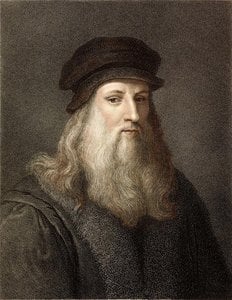
1452 - 1519 , 이탈리아

Explore the profound beauty of equestrian art. From the realism of Meissonier to impressionistic studies, discover how master techniques capture the noble spirit of the horse in fine oil reproductions and custom commissions.

Discover the breathtaking equestrian mastery of Sir Alfred James Munnings. Explore an art-history journey through his impressionistic captures of motion, light, and rural elegance, perfect for the discerning classic art enthusiast and collector.

Elevate your artistic practice with this expert guide to mastering the line. Discover advanced techniques in graphite, charcoal, and contour drawing designed for art students seeking technical precision and expressive depth in their fine art studies.
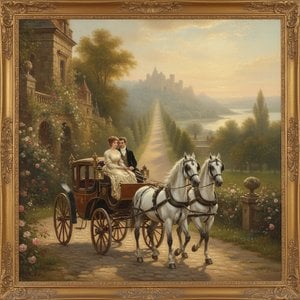
Embark on a visual journey through the romantic world of horse carriage art. Discover the mastery of equestrian oil paintings, from Impressionist textures to classical realism, and learn how to bring timeless elegance into your home with museum-quality reproductions.

Explore the profound artistry of graphite drawing. Discover professional techniques for mastering depth, texture, and detail through a lens of art history, from classical sketches to modern masterpieces. Elevate your understanding of the pencil medium with our expert guide.


 미리보기
미리보기
 공유하기
공유하기 공유하기
공유하기
 상세 정보
상세 정보

 다운로드
다운로드
 유사 작품
유사 작품 X-레이
X-레이 슬라이드 쇼
 통계 정보
통계 정보 더 보기
더 보기









 유리 옵션은 110cm 미만 크기에서만 선택 가능합니다.


