
빠른 제작과 다양한 마감 옵션을 제공하는 박물관 품질의 지클레이 또는 캔버스 프린트. ( 손으로 그린 그림 구매 디지털 이미지로 전환)





























작품의 원본 비율을 유지하는 미리 설정된 크기 중에서 선택하세요.

특정 프레임이나 공간에 맞춰 직접 치수를 입력하실 수 있습니다. 선택하신 사이즈가 원본 이미지의 비율과 일치하지 않을 경우, 작품을 크롭(자르기)하거나 이미지를 대칭 또는 단색 채우기로 확장하여 제작합니다. 제작 시작 전, 최종 확인을 위해 디지털 목업이 전송됩니다.
화면상의 미리보기는 실제 크롭이나 확장 상태를 반영하지 않으므로, 최종 구도는 오직 목업을 통해서만 정확하게 확인하실 수 있습니다.
맞춤 사이즈 제작도 가능하지만, 원본 비율을 유지하기 위해서는 사전 정의된 목록에서 치수를 선택하시는 것을 권장합니다.

engineering-Canal bridge
복제본 크기
Leonardo da Vinci's “Engineering Canal Bridge” isn’t merely a depiction of a structure; it’s an embodiment of the Renaissance spirit—a fusion of artistic vision and scientific observation that elevates it beyond simple representation. Completed sometime around 1490, this drawing resides within Da Vinci’s Codex Atlanticus, a sprawling collection of notebooks documenting his explorations across disciplines, solidifying its place as one of the most significant artifacts from the era.
While the bridge’s primary purpose was undoubtedly practical, Da Vinci infused it with symbolic resonance. The boats traversing the water can be interpreted as representing journeys—both literal and metaphorical—and the figures present embody humanity's engagement with its environment. Notably, the horse positioned on the left side adds an element of nobility and power, perhaps symbolizing strength and dominion over nature – concepts frequently explored in Renaissance art.
"Engineering Canal Bridge" transcends mere visual representation; it communicates a profound appreciation for observation—a cornerstone of Da Vinci’s artistic philosophy. The drawing isn't simply showing us what is there; it's conveying how Da Vinci *saw* it – with meticulous attention to detail and an unwavering commitment to capturing the subtleties of light and shadow. This dedication resonates powerfully with viewers today, reminding us that true artistry lies in transforming observation into something beautiful and intellectually stimulating.

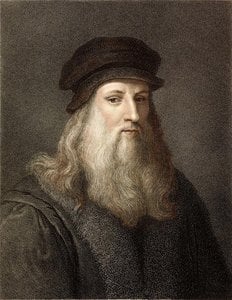
1452 - 1519 , 이탈리아

Explore the profound genius of Leonardo, Michelangelo, and Raphael. An authoritative deep dive into the High Renaissance masters, analyzing their unique techniques, humanistic vision, and enduring influence on the world of fine art collecting.

Elevate your artistic practice with this expert guide to mastering the line. Discover advanced techniques in graphite, charcoal, and contour drawing designed for art students seeking technical precision and expressive depth in their fine art studies.


 미리보기
미리보기
 공유하기
공유하기 공유하기
공유하기
 상세 정보
상세 정보 가이드 보기

 다운로드
다운로드
 유사 작품
유사 작품 X-레이
X-레이 슬라이드 쇼
 통계 정보
통계 정보
 더 보기
더 보기









 유리 옵션은 110cm 미만 크기에서만 선택 가능합니다.


