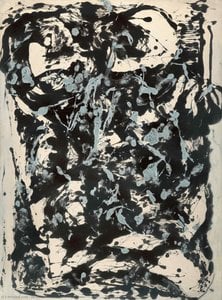
Acrylic On CanvasWallArtModern Korean Art
 25.0 x 37.0 cm
 국립중앙박물관
원하는 크기와 액자로 주문 제작되는, 작가들이 직접 캔버스에 손으로 그린 유화 작품입니다. ( 프린트 판매로 전환 디지털 이미지로 전환)





























작품의 원본 비율을 유지하는 미리 설정된 크기 중에서 선택하세요.

특정 프레임이나 공간에 맞도록 직접 크기를 입력할 수 있습니다. 선택하신 크기가 원본 이미지의 비율과 일치하지 않는 경우, 작품을 자르거나 추가적인 손으로 그린 요소를 사용하여 그림을 확장합니다. 제작 시작 전 승인을 위해 디지털 목업을 보내드립니다.
화면 미리 보기는 실제 자르기 또는 확장을 반영하지 않습니다. 최종 구성은 목업을 통해서만 정확하게 확인하실 수 있습니다.
맞춤 크기 제작도 가능하지만, 원본 비율을 유지하기 위해 사전 정의된 목록에서 크기를 선택하시는 것을 권장합니다.

Fish and Children
복제본 크기
Lee Jung-seob's "Fish and Children" isn’t merely a painting; it’s a poignant distillation of Korean life in the mid-20th century, a quiet testament to family, community, and the enduring spirit of resilience. Painted during a turbulent period of Japanese colonial rule and the looming shadow of the Korean War, this work transcends its historical context to offer a universal depiction of human connection – a scene bathed in the soft light of an afternoon gathering around a simple meal.
The composition is deceptively straightforward. Two women, rendered with a gentle realism characteristic of Lee’s style, lie reclining comfortably on a woven mat. Their relaxed postures and averted gazes suggest a comfortable intimacy, while their proximity to three younger figures – boys and a young child – establishes an immediate sense of familial warmth. The setting is deliberately understated; the background fades into a hazy wash of color, drawing all attention to the central figures and their interaction. Lee’s masterful use of light creates a luminous quality, imbuing the scene with a feeling of serenity and contentment despite the underlying anxieties of the era.
Born in 1916 in Pyeongannamdo, Lee Jung-seob’s artistic journey was deeply rooted in Korean tradition yet propelled by a desire to forge a distinctly modern aesthetic. Influenced by the monumental Goguryeo tomb murals he encountered as a child – images of grand processions and vibrant court life – Lee sought to capture the essence of Korean identity through his art. However, he wasn't content with mere imitation; he embraced elements of Western painting techniques, particularly the Fauvist movement’s emphasis on bold color and expressive brushwork, while retaining a distinctly Korean sensibility.
Lee’s artistic training at Bunka Gakuin in Tokyo exposed him to avant-garde ideas, but it was his return to Korea that truly shaped his vision. He deliberately chose subjects close to home – rural life, family relationships, and the everyday experiences of ordinary Koreans – as a way of asserting Korean identity against the backdrop of colonial rule. His work is often characterized by a naive simplicity, a deliberate rejection of academic realism in favor of capturing the emotional truth of a scene.
“Fish and Children” is rich with symbolic meaning. The fish itself represents abundance, nourishment, and connection to nature – fundamental elements of Korean culture. Sharing a meal together signifies community, hospitality, and the importance of family bonds. The women’s relaxed posture suggests a sense of contentment and security, while their gaze towards the children hints at maternal love and protection.
Despite the apparent tranquility of the scene, there's an underlying current of melancholy. The painting was created during a period of immense social and political upheaval in Korea, marked by war, displacement, and colonial oppression. The muted colors and understated composition subtly convey a sense of loss and uncertainty – a poignant reminder of the fragility of life and the enduring strength of the human spirit. It’s this delicate balance between joy and sorrow that elevates “Fish and Children” beyond a simple depiction of a family gathering.
Reproductions of Lee Jung-seob's "Fish and Children" offer a remarkable opportunity to bring this evocative artwork into your home or office. WahooArt’s high-quality reproductions faithfully capture the artist’s masterful use of color, light, and composition, allowing you to experience the painting’s emotional depth and symbolic richness firsthand. Whether you choose a standard size or commission a custom reproduction tailored to your specific needs, you'll be investing in a piece of Korean art history that speaks volumes about family, community, and the enduring beauty of everyday life.
Consider framing the artwork with a simple, natural wood frame to complement its understated elegance. “Fish and Children” is more than just a painting; it’s an invitation to reflect on the values that unite us all – connection, compassion, and the importance of cherishing those closest to our hearts.

1916 - 1956 , 대한민국

Transform your most cherished family moments into timeless heirlooms with WahooArt's custom hand-painted oil portraits. Enjoy up to 3 faces free in a bespoke masterpiece designed to last generations. Experience premium artistry, professional transparency, and our 100% satisfaction guarantee.
Transform scattered family photos into timeless oil masterpieces with WahooArt. Our master artists hand-paint bespoke portraits that turn precious memories into elegant, generational heirlooms. Experience premium quality, digital previews, and a 100% satisfaction guarantee.

Transform fleeting memories into timeless heirlooms with WahooArt's bespoke hand-painted oil portraits. Our master artists recreate your family's story through museum-quality techniques, creating a profound emotional legacy that transcends the digital lens for generations to come.

Discover the excellence of WahooArt.com's bespoke services. Transform your cherished family photos into museum-quality, hand-painted oil portraits through our rigorous academic process, professional digital mockups, and dedicated art consultation for the discerning collector.

Transform your most cherished family memories into breathtaking oil masterpieces. Discover the elegance of bespoke, hand-painted portrait commissions, meticulously crafted by academy-trained artists to create a timeless legacy for your home and generations to come.


 미리보기
미리보기
 공유하기
공유하기 공유하기
공유하기
 상세 정보
상세 정보 가이드 보기

 다운로드
다운로드
 유사 작품
유사 작품 X-레이
X-레이 슬라이드 쇼
 통계 정보
통계 정보 더 보기
더 보기









 유리 옵션은 110cm 미만 크기에서만 선택 가능합니다.