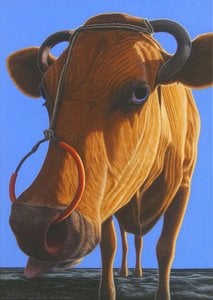
Acrylic On PaperContemporary Realism
 2008Contemporary
 1120.0 x 1620.0 cm
 Korean Art Museum Association




























작품의 원본 비율을 유지하는 미리 설정된 크기 중에서 선택하세요.

특정 프레임이나 공간에 맞도록 직접 크기를 입력할 수 있습니다. 선택하신 크기가 원본 이미지의 비율과 일치하지 않는 경우, 작품을 자르거나 추가적인 손으로 그린 요소를 사용하여 그림을 확장합니다. 제작 시작 전 승인을 위해 디지털 목업을 보내드립니다.
화면 미리 보기는 실제 자르기 또는 확장을 반영하지 않습니다. 최종 구성은 목업을 통해서만 정확하게 확인하실 수 있습니다.
맞춤 크기 제작도 가능하지만, 원본 비율을 유지하기 위해 사전 정의된 목록에서 크기를 선택하시는 것을 권장합니다.

Black Grassland
복제본 크기
In the evocative piece Black Grassland, the viewer is transported into a moment of profound, unscripted charm. Created in 2008 by the esteemed South Korean artist Lee Jong-gu, this work captures a singular, playful vignette: a cow, captured in a candid instant with its tongue playfully extended. While the title suggests a vast, perhaps somber landscape, the painting focuses our gaze on the intimate and the endearing. The presence of a bell around the animal's neck serves as a nostalgic anchor, grounding the piece in the rhythmic, pastoral traditions of the Korean countryside. It is a work that breathes with life, inviting the observer to pause and find joy in the simple, often overlooked whimsy of nature.
The technique employed by Lee Jong-gu reveals a masterful command over acrylic on paper. His approach is characterized by a meticulous attention to texture and form, likely informed by his rigorous academic training at Chungang and Inha Universities. Through deliberate brushwork, the artist manages to render the weight of the animal and the softness of its features with remarkable clarity. The interplay of light and shadow across the cow's coat creates a sense of three-dimensionality that makes the subject feel almost tangible. This tactile quality is essential for those looking to introduce a sense of depth and organic warmth into a curated interior space.
Beyond its immediate charm, Black Grassland carries the weight of Lee Jong-gu’s lifelong dedication to documenting the cultural heritage of his homeland. As an artist deeply rooted in the Seosan region, Lee uses the imagery of rural life—the cattle, the bells, the quietude—to symbolize a connection to the enduring spirit of Korea. The cow, often a symbol of patience, strength, and prosperity in East Asian iconography, is presented here not as a monumental icon, but as a living, breathing participant in a peaceful ecosystem. This shift from the epic to the intimate allows the viewer to connect with the artwork on an emotional level, finding a sense of peace and groundedness that is increasingly rare in our modern, frenetic world.
For collectors and interior designers, this piece offers more than just visual appeal; it offers a narrative of tranquility. The painting functions beautifully as a focal point in a room designed for contemplation or relaxation. Whether placed in a contemporary gallery setting or a classic study, the work’s ability to evoke nostalgia and warmth makes it an invaluable asset for any collection. It serves as a window into a world where time slows down, making it an ideal choice for those seeking to infuse their surroundings with a sense of soulful, pastoral elegance.

1954 - , South Korea

Explore the rich history of rural life in art! Discover masterpieces from Dutch Masters to Van Gogh & Courbet. Uncover artistic movements, social significance & expert collecting insights at WahooArt.
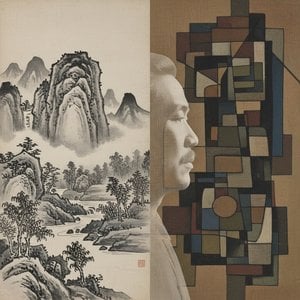
Explore the captivating world of Yi Eungro (Lee Ungno), a pivotal figure in Korean modernism. Discover his unique fusion of Eastern and Western artistic traditions, abstract masterpieces, and lasting legacy. A must-read for discerning art collectors.

Explore the rich history of rural life in art! Discover masterpieces from Millet to Mauve & beyond. Learn about Realism, Barbizon School & find inspiration for your home with WahooArt.

Explore the rich history of rural life in art! Discover how Realism captured labor & identity through masterpieces by Van Gogh, Millet & more. Expert analysis for collectors and enthusiasts.

Explore the captivating world of Giovanni Boldini, master of Belle Époque portraiture. Discover his signature style, iconic works like 'Miss Bell,' and lasting influence on art history. Expert analysis for collectors.


 미리보기
미리보기
 프린트 구매
 공유하기
공유하기 공유하기
공유하기
 상세 정보
상세 정보

 다운로드
다운로드
 유사 작품
유사 작품 X-레이
X-레이 슬라이드 쇼
 더 보기
더 보기









 유리 옵션은 110cm 미만 크기에서만 선택 가능합니다.