
원하는 크기와 액자로 주문 제작되는, 작가들이 직접 캔버스에 손으로 그린 유화 작품입니다. ( 프린트 판매로 전환 디지털 이미지로 전환)





























작품의 원본 비율을 유지하는 미리 설정된 크기 중에서 선택하세요.

특정 프레임이나 공간에 맞도록 직접 크기를 입력할 수 있습니다. 선택하신 크기가 원본 이미지의 비율과 일치하지 않는 경우, 작품을 자르거나 추가적인 손으로 그린 요소를 사용하여 그림을 확장합니다. 제작 시작 전 승인을 위해 디지털 목업을 보내드립니다.
화면 미리 보기는 실제 자르기 또는 확장을 반영하지 않습니다. 최종 구성은 목업을 통해서만 정확하게 확인하실 수 있습니다.
맞춤 크기 제작도 가능하지만, 원본 비율을 유지하기 위해 사전 정의된 목록에서 크기를 선택하시는 것을 권장합니다.

Paul Hartland Carnival. Composition with two masks .
복제본 크기
László Moholy-Nagy’s “Paul Hartland Carnival. Composition with two masks.”, created in 1934, isn't merely a painting; it’s an immersive journey into the subconscious, a vibrant collision of memory and illusion rendered in bold colors and fragmented forms. This artwork, now available as a high-quality reproduction through WahooArt.com, stands as a testament to Moholy-Nagy’s pioneering spirit – his relentless experimentation with photography, collage, and the very nature of perception. It's a piece that immediately demands attention, pulling the viewer into its dreamlike atmosphere and prompting questions about identity, representation, and the power of visual language.
At first glance, the composition appears chaotic—two figures, their faces obscured by layers of textured material, dominate the central space. However, a closer look reveals a carefully orchestrated balance. Sharp angular lines intersect with softer curves, creating a dynamic tension that mirrors the complexities of human experience. The use of reflective surfaces – cellophane, perhaps, or other translucent materials – adds an ethereal quality, blurring the boundaries between reality and illusion. Fragments of what seem to be photographs, printed matter, and even architectural elements are interwoven, suggesting a world constructed from disparate memories and experiences.
To fully appreciate “Paul Hartland Carnival,” it's crucial to understand the context of Moholy-Nagy’s artistic philosophy, which he termed "New Vision." Rejecting traditional notions of representation, he believed that photography could reveal hidden aspects of reality – a world beyond what the eye perceives. This concept profoundly influenced his work, leading him to experiment with photograms (images created by placing objects directly on light-sensitive paper) and other techniques designed to manipulate perception. He sought to capture not just appearances but also the *feeling* of a subject, translating it into visual form.
The artwork’s vibrant color palette – dominated by reds, yellows, and blues – further reinforces this sense of heightened emotion and subjective experience. These aren't naturalistic colors; they are deliberately chosen to evoke specific moods and sensations. The use of contrasting hues creates a dynamic visual rhythm, drawing the eye across the composition and adding to its overall intensity.
“Paul Hartland Carnival” was created during a period of profound social and artistic upheaval. The early 1930s witnessed the rise of Dadaism in Europe, a movement that challenged traditional notions of art and embraced absurdity and anti-establishment sentiment. Simultaneously, Constructivism – a Russian avant-garde movement focused on geometric abstraction and industrial materials – was gaining momentum. Moholy-Nagy’s work reflects these influences, blending elements of both styles while forging his own unique visual language.
His time at the Bauhaus school in Weimar further shaped his artistic approach, emphasizing design principles and exploring new technologies. The artwork's fragmented composition and use of unconventional materials can be seen as a direct response to the rapidly changing world around him – a world grappling with industrialization, urbanization, and the anxieties of modernity. It’s a visual echo of the era’s dynamism and uncertainty.
While the specific meaning of “Paul Hartland Carnival” remains open to interpretation, it's clear that the two masked figures represent something deeper than mere portraits. They could symbolize duality, hidden identities, or perhaps the fragmented nature of selfhood. The masks themselves suggest a deliberate concealment, inviting us to question what lies beneath the surface.
Ultimately, this artwork is an invitation to engage with our own subconscious – to explore the layers of memory, emotion, and experience that shape our perceptions. It’s a powerful reminder of the transformative potential of art, capable of transporting us beyond the realm of the literal and into the depths of the human psyche. A reproduction of “Paul Hartland Carnival” offers a captivating glimpse into Moholy-Nagy's visionary world, bringing this extraordinary piece to your home or office.

라슬로 모홀로이-나기는 헝가리가 배출한 매우 영향력 있는 화가이자 사진작가, 조각가, 그리고 디자이너였습니다. 그는 바우하우스 학교에 남긴 중대한 공헌과 더불어 구성주의, 타이포그래피, 사진, 그리고 키네틱 아트 분야에서 개척자적인 업적을 남긴 것으로 가장 잘 알려져 있습니다. 그의 예술 철학은 기술과 산업을 예술 속에 통합하는 데 집중되어 있었으며, 현대 세계를 포용하는 창의성의 새로운 비전을 옹호했습니다.

1895 - 1946 , 헝가리

Explore the profound impact of the Pop Art Revolution on modern aesthetics. From Lichtenstein’s dots to Warhol’s icons, gain expert insights into how this vibrant movement redefined culture through consumerism and mass media. A definitive guide for art lovers and collectors.
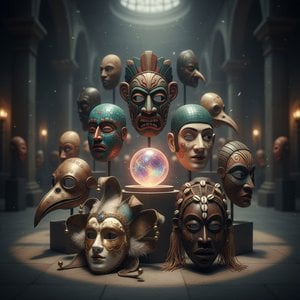
Embark on a profound journey through the world's most iconic mask artworks. Explore the spiritual depth, intricate craftsmanship, and rich cultural heritage of global traditions, from Chhau to Gomira, in this expert-led exploration of ancestral artistry and symbolic beauty.
Embark on a curated journey through Pop Surrealism, where vibrant cultural icons collide with the profound depths of the subconscious. An authoritative exploration for discerning collectors seeking to masterfully integrate dreamlike landscapes and bold aesthetics into modern interiors.

Dive into the vibrant world of Pop Art. Explore iconic masterpieces from Warhol to Haring, discover how bold colors and mass media redefined art history, and learn to curate high-impact, colorful pieces for your modern home collection.

Explore the visceral power of Aggressive Confrontational Pop. From the rebellion of NO!art to Neo-Pop icons, discover how bold aesthetics and social critique redefined modern art for today's discerning collectors.


 미리보기
미리보기
 공유하기
공유하기 공유하기
공유하기
 상세 정보
상세 정보

 다운로드
다운로드
 유사 작품
유사 작품 X-레이
X-레이 슬라이드 쇼
 통계 정보
통계 정보


 더 보기
더 보기









 유리 옵션은 110cm 미만 크기에서만 선택 가능합니다.


