
빠른 제작과 다양한 마감 옵션을 제공하는 박물관 품질의 지클레이 또는 캔버스 프린트. ( 손으로 그린 그림 구매 디지털 이미지로 전환)
작품의 원본 비율을 유지하는 미리 설정된 크기 중에서 선택하세요.

특정 프레임이나 공간에 맞춰 직접 치수를 입력하실 수 있습니다. 선택하신 사이즈가 원본 이미지의 비율과 일치하지 않을 경우, 작품을 크롭(자르기)하거나 이미지를 대칭 또는 단색 채우기로 확장하여 제작합니다. 제작 시작 전, 최종 확인을 위해 디지털 목업이 전송됩니다.
화면상의 미리보기는 실제 크롭이나 확장 상태를 반영하지 않으므로, 최종 구도는 오직 목업을 통해서만 정확하게 확인하실 수 있습니다.
맞춤 사이즈 제작도 가능하지만, 원본 비율을 유지하기 위해서는 사전 정의된 목록에서 치수를 선택하시는 것을 권장합니다.

Macchina lavaprosciutti
복제본 크기

In the heart of the Emilia-Romagna region, amidst the rolling hills and the storied traditions of Langhirano, a profound artistic journey began. Mario Sironi, a figure whose name remains etched in the annals of Italian Modernism, was born into a world where craftsmanship and a deep connection to the land were paramount. This early immersion in the textures of his homeland—a place famous for its agricultural richness and the delicate art of prosciutto production—would later manifest in an aesthetic that balanced raw, industrial strength with a haunting, spiritual depth. Nurtured by the hands of his father, Giuseppe Sironi, a sculptor, Mario’s artistic sensibilities were forged in the crucible of classical form and tactile reality, setting the stage for a career defined by constant metamorphosis.
Sironi's early education at the Accademia di Belle Arti in Bologna served as his gateway to the avant-garde revolutions sweeping through Europe. During the first decade of the twentieth century, he became a vital participant in the Futurist movement. Inspired by the electric energy of Filippo Tommaso Marinetti, Sironint explored the frenetic pulse of urban life, utilizing collage and assemblage to capture the fragmented, high-speed reality of a world being reshaped by technology. His canvases from this era were vibrant and chaotic, mirroring the fractured perceptions of an industrializing society that sought to break free from the weight of tradition.
As the echoes of World War I reverberated across the continent, Sironi’s artistic language underwent a profound transformation. The dynamism of Futurism gave way to the analytical rigor of Cubism. This period was marked by a retreat into more somber, monochromatic palettes and geometric abstractions. It was no longer about the speed of the machine, but rather the psychological weight of existence. Through these structured forms, Sironi confronted the trauma and disillusionment of the post-war era, creating landscapes that felt less like physical locations and more like internal, psychological territories where memory and grief resided.
The zenith of his creative vision arrived during his Metaphysical period. Drawing inspiration from the philosophical depths of Giorgio Hegel and the biological intricacies of Ernst Haeckel, Sironi sought to pierce the veil of the visible world. His paintings became windows into a realm of profound introspection and spiritual contemplation. In these works, figures appear bathed in an ethereal, diffused light, suspended in a state of existential stillness. This period solidified his reputation as a master of atmosphere, capable of evoking a sense of the infinite within the confines of a single, silent frame.
The later years of Sironi’s life were marked by a complex navigation of the shifting political and social landscapes of Italy. Despite the challenges of censorship and the turbulent decades following the war, his commitment to the social dimension of art remained steadfast. He continued to explore themes of labor, urbanity, and the human condition, ensuring that his work remained deeply rooted in the lived experience of his era.
Today, the significance of Mario Sironi extends far beyond the borders of Italy. His ability to synthesize the radical experimentation of the avant-garde with a profound sense of classical gravity makes him a cornerstone of modern art history. His legacy is found in:
Sironi remains a monumental figure, an artist who captured not just the changing face of Italy, but the very essence of the modern soul.

Italy

Explore the profound artistry of black and white photography. From historical mastery to the interplay of light and shadow, discover how monochrome captures timeless emotion and form through a sophisticated lens of art history.

Explore the profound intersection of industry and artistry. Discover museum-quality reproductions of Machine Age masterpieces by Léger and Rivera, curated for elite collectors seeking to infuse luxury interiors with the powerful, geometric soul of industrial progress.
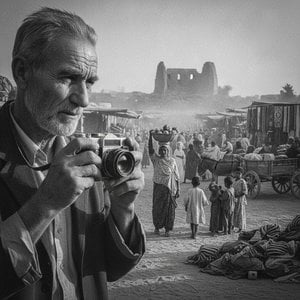
Explore the profound evolution of documentary photography through a cultural lens. From early social realism to modern visual narratives, discover how photographers have captured history, labor, and the human condition to redefine fine art.

Explore the profound evolution of contemporary photography through a connoisseur's lens. From monochrome mastery to digital innovation, discover how modern photographic works shape fine art collections and define our cultural legacy.


 미리보기
미리보기
 공유하기
공유하기 공유하기
공유하기
 상세 정보
상세 정보 가이드 보기

 다운로드
다운로드
 유사 작품
유사 작품 X-레이
X-레이 슬라이드 쇼
 통계 정보
통계 정보


 더 보기
더 보기






































 유리 옵션은 110cm 미만 크기에서만 선택 가능합니다.


