
 PencilClassical Realism
 191219th Century
 40.0 x 50.0 cm
 Oklahoma City Museum of Art
빠른 제작과 다양한 마감 옵션을 제공하는 박물관 품질의 지클레이 또는 캔버스 프린트. ( 손으로 그린 그림 구매 디지털 이미지로 전환)
작품의 원본 비율을 유지하는 미리 설정된 크기 중에서 선택하세요.

특정 프레임이나 공간에 맞춰 직접 치수를 입력하실 수 있습니다. 선택하신 사이즈가 원본 이미지의 비율과 일치하지 않을 경우, 작품을 크롭(자르기)하거나 이미지를 대칭 또는 단색 채우기로 확장하여 제작합니다. 제작 시작 전, 최종 확인을 위해 디지털 목업이 전송됩니다.
화면상의 미리보기는 실제 크롭이나 확장 상태를 반영하지 않으므로, 최종 구도는 오직 목업을 통해서만 정확하게 확인하실 수 있습니다.
맞춤 사이즈 제작도 가능하지만, 원본 비율을 유지하기 위해서는 사전 정의된 목록에서 치수를 선택하시는 것을 권장합니다.

Study for Mosaic, Wisconsin State Capitol,
복제본 크기
In the quiet, focused atmosphere of a 1912 studio, Kenyon Cox captured more than just a figure; he captured the foundational essence of an American landmark. This exquisite pencil study, created as a preparatory work for the magnificent mosaics within the Wisconsin State Capitol, serves as a profound window into the artist's meticulous creative process. The drawing presents a contemplative scene where a man, draped in the heavy, dignified folds of a robe or long coat, sits in a moment of profound stillness. With legs crossed and eyes seemingly lost in the pages of a book, the subject embodies a sense of scholarly devotion and timeless wisdom. Through the delicate interplay of light and shadow, Cox breathes life into the graphite, transforming a simple sketch into a narrative of intellectual pursuit and quietude.
The composition is masterfully balanced, utilizing a classical approach to depth and presence. While the central figure commands our immediate attention, the subtle inclusion of secondary figures on the periphery adds a layer of social complexity and environmental context, suggesting a shared space of learning or reflection. The artist’s technique is nothing short of virtuosic; every stroke of the pencil contributes to the anatomical precision and the tactile quality of the fabric. There is a rhythmic grace in the way the light catches the edges of the seated man's form, creating a chiaroscuro effect that lends the work a sculptural weight, reminiscent of the very mosaics it was intended to inspire.
To understand this piece is to understand the lineage of Kenyon Cox himself—a titan of the American Renaissance. Trained in the prestigious ateliers of Paris under masters like Jean-Léon Gérôme, Cox brought a rigorous commitment to classical realism back to the United States. This study is a testament to that academic excellence, showcasing an unwavering dedication to anatomical accuracy and the harmonious arrangement of forms. The work transcends its status as a mere "study," functioning instead as a complete emotional experience that evokes the grandeur of the Beaux-Arts tradition. It carries the weight of history, reminding us of an era when public architecture was designed to be a temple of high art and civic virtue.
For the discerning collector or interior designer, this artwork offers a unique opportunity to integrate a piece of American art history into a contemporary setting. The monochromatic palette provides a sophisticated neutrality that complements a wide array of decor styles, from the stately elegance of a traditional library to the minimalist chic of a modern gallery. Because it is a preparatory work, there is an intimate, raw energy present—a sense of witnessing the artist's first spark of inspiration. Owning a high-quality reproduction of this study means bringing into one's home not just a beautiful image, but the very heartbeat of the Wisconsin State Capitol’s artistic legacy.


1856 - 1919
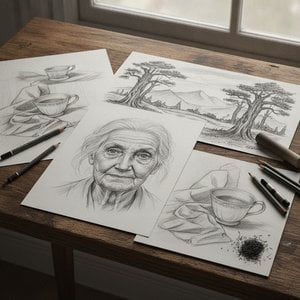
Explore the profound elegance of pencil and charcoal sketching. Discover how masters use line, shadow, and chiaroscuro to capture light and texture, bridging the gap between preparatory studies and timeless fine art masterpieces.

Explore the profound beauty of the sketch. Discover how masters use charcoal and graphite to capture raw emotion, anatomical precision, and fluid movement, bridging the gap between ephemeral marks and eternal oil masterpieces.

Explore the profound artistry of graphite drawing. Discover professional techniques for mastering depth, texture, and detail through a lens of art history, from classical sketches to modern masterpieces. Elevate your understanding of the pencil medium with our expert guide.


 미리보기
미리보기
 공유하기
공유하기 공유하기
공유하기
 상세 정보
상세 정보 가이드 보기

 다운로드
다운로드
 유사 작품
유사 작품 X-레이
X-레이 슬라이드 쇼
 통계 정보
통계 정보 더 보기
더 보기






































 유리 옵션은 110cm 미만 크기에서만 선택 가능합니다.


