
원하는 크기와 액자로 주문 제작되는, 작가들이 직접 캔버스에 손으로 그린 유화 작품입니다. ( 프린트 판매로 전환 디지털 이미지로 전환)





























작품의 원본 비율을 유지하는 미리 설정된 크기 중에서 선택하세요.

특정 프레임이나 공간에 맞도록 직접 크기를 입력할 수 있습니다. 선택하신 크기가 원본 이미지의 비율과 일치하지 않는 경우, 작품을 자르거나 추가적인 손으로 그린 요소를 사용하여 그림을 확장합니다. 제작 시작 전 승인을 위해 디지털 목업을 보내드립니다.
화면 미리 보기는 실제 자르기 또는 확장을 반영하지 않습니다. 최종 구성은 목업을 통해서만 정확하게 확인하실 수 있습니다.
맞춤 크기 제작도 가능하지만, 원본 비율을 유지하기 위해 사전 정의된 목록에서 크기를 선택하시는 것을 권장합니다.

The Downtrodden
복제본 크기
Käthe Kollwitz’s “The Downtrodden,” created in 1901, isn't merely a depiction of poverty; it’s a visceral embodiment of the crushing weight of social injustice and the quiet dignity of those enduring its relentless grip. This powerful etching, rendered in stark black and white with masterful cross-hatching, speaks volumes about the anxieties and realities of late 19th-century Germany – a nation grappling with rapid industrialization, burgeoning class divisions, and the profound suffering of its working classes.
At first glance, the composition appears deceptively simple. A woman, her face etched with worry and exhaustion, cradles the lifeless head of a child in her lap. Beside her stands a man, his shoulders slumped, his hand instinctively covering his face – an act that simultaneously conveys grief, shame, and perhaps even a sense of helplessness. The setting is deliberately bleak: a dimly lit room, devoid of warmth or comfort, emphasizing the isolation and despair of their situation. The figures are not presented as victims in a melodramatic fashion; rather, they are rendered with a quiet realism that underscores the profound sadness of their circumstances.
Kollwitz’s genius lies in her ability to translate raw emotion onto the printed page. She expertly utilizes the techniques of etching, drypoint, aquatint, and burnisher – a complex layering process that allows for incredible tonal variation and subtle shading. The deep blacks create an atmosphere of oppressive darkness, while the delicate cross-hatching defines the figures with remarkable precision, highlighting their vulnerability and emphasizing the weight of their burdens. Notice how the child’s head and shoulders stand out in stark relief against the dark background – a poignant reminder of lost innocence and shattered dreams. The artist's choice to work primarily in monochrome amplifies the emotional intensity, stripping away any potential distractions and focusing solely on the core themes of suffering and resilience.
“The Downtrodden” is rich with symbolic meaning. The rope held by the man represents a desperate attempt to escape the crushing weight of their poverty – a silent allusion to suicide, a tragically common outcome for those trapped in cycles of deprivation. The averted gaze of the father speaks volumes about his inability to provide and his own internal struggle with grief and shame. Kollwitz herself was deeply committed to social justice, drawing inspiration from her husband’s work as a physician treating impoverished patients. This piece is not simply a portrayal of hardship; it's a direct indictment of the societal forces that perpetuate poverty and suffering – a powerful call for empathy and reform.
Käthe Kollwitz’s “The Downtrodden” remains a profoundly moving work, resonating with viewers across generations. It serves as a stark reminder of the human cost of inequality and the enduring power of compassion. Reproductions of this iconic etching offer a valuable opportunity to engage with one of the 20th century's most important voices in social art – an artist who used her talent not for personal glory, but to bear witness to the struggles of the marginalized and forgotten.


1867 - 1945 , 러시아

Discover the profound power of Expressionist art. From the raw intensity of Edvard Munch to the visceral textures of Neo-Expressionism, explore how subjective emotion and distorted reality define this movement. An expert guide for discerning collectors seeking depth and soul in fine art.
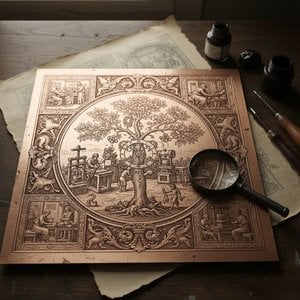
Explore the intricate world of etching and intaglio printmaking. Discover how masters use acid and metal to create profound textures and lines, from Romanticism to modern era, through an expert lens of art history and technical mastery.


 미리보기
미리보기
 공유하기
공유하기 공유하기
공유하기
 상세 정보
상세 정보

 다운로드
다운로드
 유사 작품
유사 작품 X-레이
X-레이 슬라이드 쇼
 통계 정보
통계 정보

 더 보기
더 보기









 유리 옵션은 110cm 미만 크기에서만 선택 가능합니다.


