
빠른 제작과 다양한 마감 옵션을 제공하는 박물관 품질의 지클레이 또는 캔버스 프린트. ( 손으로 그린 그림 구매 디지털 이미지로 전환)
작품의 원본 비율을 유지하는 미리 설정된 크기 중에서 선택하세요.

특정 프레임이나 공간에 맞춰 직접 치수를 입력하실 수 있습니다. 선택하신 사이즈가 원본 이미지의 비율과 일치하지 않을 경우, 작품을 크롭(자르기)하거나 이미지를 대칭 또는 단색 채우기로 확장하여 제작합니다. 제작 시작 전, 최종 확인을 위해 디지털 목업이 전송됩니다.
화면상의 미리보기는 실제 크롭이나 확장 상태를 반영하지 않으므로, 최종 구도는 오직 목업을 통해서만 정확하게 확인하실 수 있습니다.
맞춤 사이즈 제작도 가능하지만, 원본 비율을 유지하기 위해서는 사전 정의된 목록에서 치수를 선택하시는 것을 권장합니다.

Namban folding screens
복제본 크기
In the dawn of the seventeenth century, as Japan stood at a pivotal crossroads of isolation and global encounter, Kanō Naizen captured a fleeting moment of profound cultural collision. His Namban folding screens serve as more than mere decorative objects; they are vibrant, cinematic windows into an era defined by the arrival of the "Southern Barbarians." Through a masterful application of gold leaf and meticulous brushwork, Naizen invites the viewer to witness the bustling maritime activity near Nagasaki, where Portuguese vessels first breached the horizon of the Japanese archipelago. The composition breathes with a rhythmic vitality, guiding the eye across a landscape populated by intrepid sailors, majestic boats, and the delicate presence of birds that punctuate the golden expanse.
The artistry of the Kanō school is on full display within this monumental work. Naizen utilizes the traditional byōbu format to create a sense of panoramic depth, where figures in the foreground appear strikingly immediate, while distant boats drift into a shimmering, atmospheric haze. The technique relies heavily on the interplay between rich pigments and the reflective brilliance of gold, a hallmark of the Kanō style that was designed to illuminate the dim interiors of temples and palaces. Every stroke is deliberate, capturing the texture of the waves, the intricate details of the foreign attire, and the lively movement of people navigating the docks, creating a sense of motion that feels almost alive.
To behold these screens is to touch the pulse of history. The term "Namban" itself evokes a period of intense curiosity and complex diplomacy. Naizen, a scion of one of Japan's most prestigious artistic lineages, was uniquely positioned to document this transition. His work does not merely record a landing; it symbolizes the meeting of two vastly different worlds—the structured, traditional aesthetics of Edo-period Japan and the exotic, unexpected presence of European explorers. The boats, positioned strategically across the canvas, act as vessels of change, carrying not just goods, but new ideas, religions, and technologies that would forever alter the Japanese social fabric.
For the discerning collector or interior designer, these screens offer an unparalleled opportunity to introduce a sense of narrative prestige into a space. The emotional impact of the piece lies in its balance of grandeur and intimacy. While the scale of 178 x 366 cm commands attention, the fine details—the subtle tilt of a head, the way light hits a sail, or the quiet grace of a bird in flight—provide moments of quiet contemplation. A high-quality reproduction of this masterpiece brings with it an aura of timelessness, making it a profound centerpiece for any collection that values the intersection of historical storytelling and exquisite Japanese craftsmanship.


1570 - 1616 , Japan

Explore the profound beauty of Japanese landscape painting. From Hokusai's iconic vistas to Zen-inspired compositions, discover the spiritual depth and historical mastery of Ukiyo-e art in this expert cultural retrospective.

Explore the profound beauty of Japanese Ukiyo-e art. Discover the legacy of Hokusai and the Utagawa school through an expert exploration of Edo-period aesthetics, seasonal motifs, and the enduring global influence of Japan's 'Floating World' on fine art history.

Embark on a cultural journey through Japan's Edo Period. Discover the profound beauty of Ukiyo-e masters like Kuniyoshi and Toshinobu, exploring the vibrant legacy of Kabuki and Sumo through an art-history lens for the true classic art enthusiast.
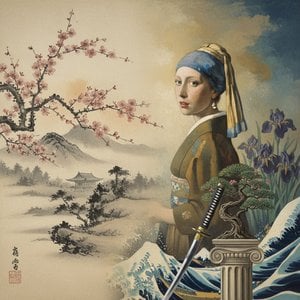
Explore the profound influence of Japanese artistry on global masterpieces. From Ukiyo-e prints to Zen aesthetics, discover how Eastern elegance transformed Western art history in this deep cultural reflection for fine art enthusiasts and collectors.

Explore the ephemeral beauty of Japanese Ukiyo-e art. From the dynamic warriors of Kuniyoshi to serene landscapes, discover the profound history, masterful techniques, and global influence of these iconic woodblock prints in our deep cultural retrospective.


 공유하기
공유하기 공유하기
공유하기
 상세 정보
상세 정보 가이드 보기

 다운로드
다운로드
 유사 작품
유사 작품 슬라이드 쇼
 통계 정보
통계 정보


 더 보기
더 보기






































 유리 옵션은 110cm 미만 크기에서만 선택 가능합니다.


