

빠른 제작과 다양한 마감 옵션을 제공하는 박물관 수준의 지클레이 및 캔버스 프린트. ( 수작업 채색 복제본 주문하기 디지털 이미지로 전환)





























작품의 원본 비율을 그대로 유지하는 프리셋 사이즈 중에서 선택해 보세요.

액자나 벽면 크기에 맞춰 필요한 가로와 세로 길이를 입력해 주세요. 프린트는 원본 이미지보다 크게 제작할 수 없으며 오직 자르는 것만 가능하므로, 비율이 다른 사이즈를 선택할 경우 이미지의 일부가 잘려 나갈 수 있습니다. 인쇄 작업에 들어가기 전, 최종 확인을 위해 디지털 목업을 보내드립니다. 이 페이지에 표시된 이미지는 실제 잘리는 영역을 나타내지 않으며, 오직 목업을 통해서만 정확한 확인이 가능합니다.
Birds and Pine Tree
복제본 크기
In the delicate dance of Birds and Pine Tree, created in 1590 by the legendary Kanō Eitoku, we find ourselves transported to the heart of Japan’s Azuchi-Momoyama period. This handscroll painting is far more than a mere depiction of nature; it is a profound meditation on resilience and tranquility. Through the masterful application of ink and color on paper, Eitoku captures a serene landscape where the rugged strength of pine trees meets the fleeting grace of birds. The composition utilizes a dynamic, fan-shaped arrangement that draws the viewer’s eye across a sweeping diagonal flow, creating an immersive experience that feels both expansive and intimately focused. For the discerning collector or interior designer, this piece offers a window into a world where every brushstroke carries the weight of intention and every tonal shift whispers of the natural order.
The technical brilliance of this work lies in its adherence to the Sumi-e tradition, where the artist’s mastery over monochrome shades creates a sense of atmospheric depth without the need for heavy pigments. Eitolu employs a sophisticated range of black and gray inks, utilizing varying degrees of saturation and transparency to build layers of form. The use of broken lines, known as matsuma-e, lends a textured, organic quality to the pine branches, suggesting the weathered bark of an ancient tree. While the palette is predominantly monochromatic, subtle hints of mineral ochre and pale pigments emerge like ghosts in the mist, suggesting distant mountains and lush foliage. This interplay of light and shadow—often appearing as if viewed through a soft, overcast haze—creates a flattened yet deeply layered perspective that prioritizes emotional atmosphere over literal spatial accuracy.
Beyond its aesthetic allure, the artwork is steeped in profound cultural symbolism that resonates with timeless human values. In Japanese iconography, the pine tree is a powerful emblem of longevity, steadfastness, and the ability to thrive amidst adversity. When paired with the presence of birds—symbols of freedom, vitality, and good fortune—the painting becomes a visual prayer for endurance and prosperity. The presence of the artist's red inkan seal serves as a final, authoritative touch, anchoring this masterpiece within the prestigious lineage of the Kanō school. For those seeking to adorn a space with art that inspires contemplation and peace, a high-quality reproduction of this work brings not just a decorative element, but a soulful connection to the enduring beauty of the natural world.
Kanō Eitoku의 "Birds and Pine Tree"의 방문 통계 페이지에서는 해당 작품의 월간 방문 수, 작가의 최고 조회 작품과의 비교, 그리고 방문자 유입 경로 등 공개된 방문 통계를 제공합니다.
"Birds and Pine Tree"은(는) Kanō Eitoku의 Sumi-e 시기 작품으로, 작가의 주요 주제로는 muromachi period styles, sesshu toyo influence, azuchi-momoyama grandeur, symbolism of longevity, zen buddhist aesthetics, kanō school tradition 등이 있습니다.
Kanō Eitoku의 "Birds and Pine Tree"의 전반적인 분위기는 Serene입니다. 이 분위기는 작품이 자아내는 전반적인 공기를 잘 나타냅니다.

Kanō Eitoku, born in Kyoto in 1543 and passing away in 1590, stands as one of the most influential figures within the illustrious Kanō school of Japanese painting. His life coincided with the dramatic Azuchi-Momoyama period – an era defined by unification after a century of civil war, and a blossoming of artistic expression fueled by newfound stability and patronage. Eitoku didn’t simply inherit the Kanō style; he revolutionized it, injecting a powerful energy and scale that became synonymous with the grandeur of the age.
Eitoku was not born into obscurity. He was the son of Kanō Naganobu, a key figure in establishing the Kanō school’s dominance within Kyoto's artistic circles. Naganobu skillfully blended elements from various earlier schools – Muromachi period styles like Sesshū Tōyō and Shōhei – creating a foundation that Eitoku would later build upon with remarkable flair. His early training under his father instilled in him a deep understanding of traditional techniques, particularly the use of ink washes and subtle color palettes. However, where Naganobu favored restraint, Eitoku possessed an innate inclination towards boldness.
Eitoku’s mature style is instantly recognizable for its dynamic compositions, vibrant colors, and lavish use of gold leaf. He moved away from the more contemplative landscapes of his father, embracing scenes teeming with activity – hunting expeditions, processions, battles, and depictions of mythical creatures. His work often features monumental trees rendered with incredible detail, swirling clouds that convey a sense of movement, and figures imbued with a striking presence. The use of gold leaf wasn’t merely decorative; it served to emphasize the power and authority of his patrons. He skillfully adapted Chinese landscape painting conventions but infused them with uniquely Japanese sensibilities, creating a visual language that resonated deeply within the context of the evolving political climate. His paintings weren't simply representations of nature or historical events; they were statements of status, legitimacy, and cultural refinement.
Eitoku’s career flourished under the patronage of powerful warlords like Oda Nobunaga and Toyotomi Hideyoshi. He received commissions for large-scale folding screens (byōbu) and sliding door panels (fusuma) that adorned castles and residences, transforming these spaces into breathtaking displays of artistic prowess. Among his most celebrated works are the screens depicting scenes from the Siege of Fushimi Castle, a testament to Nobunaga’s military victories. These paintings weren't just historical records; they were carefully crafted narratives designed to reinforce the authority and prestige of the ruling elite. His work at Jurakudai Palace, Hideyoshi’s lavish Kyoto residence, further cemented his reputation as the premier painter of the era.
Kanō Eitoku’s impact on Japanese painting is undeniable. He not only perfected the Kanō style but also established a new standard for large-scale decorative painting. His bold aesthetic, characterized by dynamism, vibrant color, and lavish ornamentation, became synonymous with the Azuchi-Momoyama period's opulent taste. He effectively transformed the role of the painter from craftsman to court artist, responsible for visually embodying the power and legitimacy of his patrons. The Kanō school continued to thrive for centuries after his death, with subsequent generations building upon his innovations. Even today, Eitoku’s works are revered as masterpieces of Japanese art, offering a captivating glimpse into a turbulent yet remarkably creative period in history. His legacy continues to inspire artists and captivate audiences worldwide.

1543 - 1590 , Japan
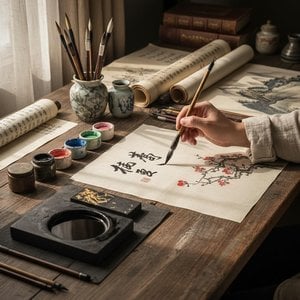
Embark on a sophisticated exploration of ink wash painting and Sumi-e. Uncover the profound historical lineages, Zen philosophies, and technical mastery behind this timeless medium in our authoritative guide for fine art enthusiasts.

Journey through the soul of Japan with our curated guide to the 25 greatest works by Katsushika Hokusai. From The Great Wave to iconic ukiyo-e landscapes, explore the stories behind these timeless masterpieces and find museum-quality art reproductions on WahooArt.com.
 미리보기

 공유하기
 공유하기
 상세 정보
 가이드 보기


 다운로드
 유사 작품 더 보기
 X-레이
 슬라이드 쇼 보기
 질의응답

 통계 정보


 더 보기









 유리 옵션은 110cm 미만 크기에서만 선택 가능합니다.


