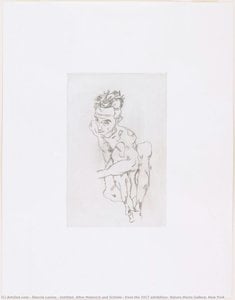
Other
Other 2009
2009 52.0 x 85.0 cm
 Cholamandal Artists' Village
빠른 제작과 다양한 마감 옵션을 제공하는 박물관 품질의 지클레이 또는 캔버스 프린트. ( 손으로 그린 그림 구매 디지털 이미지로 전환)





























작품의 원본 비율을 유지하는 미리 설정된 크기 중에서 선택하세요.

특정 프레임이나 공간에 맞춰 직접 치수를 입력하실 수 있습니다. 선택하신 사이즈가 원본 이미지의 비율과 일치하지 않을 경우, 작품을 크롭(자르기)하거나 이미지를 대칭 또는 단색 채우기로 확장하여 제작합니다. 제작 시작 전, 최종 확인을 위해 디지털 목업이 전송됩니다.
화면상의 미리보기는 실제 크롭이나 확장 상태를 반영하지 않으므로, 최종 구도는 오직 목업을 통해서만 정확하게 확인하실 수 있습니다.
맞춤 사이즈 제작도 가능하지만, 원본 비율을 유지하기 위해서는 사전 정의된 목록에서 치수를 선택하시는 것을 권장합니다.

Rock Series
복제본 크기

In the vibrant tapestry of South Indian modernism, few threads are as delicate yet enduring as those woven by k r harie. Born in Chennai in 1941, Harie emerged from a period of profound cultural transition, where the ancient echoes of Indian tradition met the burgeoning waves of global modernism. His journey was not merely one of personal discovery but a fundamental contribution to the Cholamandal Artists' Village, an experimental commune that redefined the artistic landscape of Tamil Nadu. While his early explorations led him through the rich, textured world of oil paintings, it was in the disciplined, rhythmic precision of pen and ink that he truly found his voice, transforming simple lines into profound meditations on existence.
The essence of Harie’s mastery lies in his ability to command the void. As a founding member of the Cholamandal movement, he embraced an ethos that sought to bridge the gap between fine art and traditional craft, fostering a community where innovation was rooted in local identity. This duality is palpable in his technique; though his medium was often monochromatic, his work breathed with a spectrum of tonal gradations. He possessed a rare ability to use subtle shading and meticulous linework to create an illusion of depth, turning a flat surface into a window overlooking rugged, atmospheric terrains. His development as an artist was a continuous dialogue between the structured discipline of his training and a spontaneous, emotive response to the natural world.
Perhaps the most poignant testament to Harie’s artistic soul is found in his celebrated “Rock Series,” conceived in 2009. In these works, the artist moves away from the broader narratives of landscape to focus on the intimate, silent textures of the earth. These drawings are masterclasses in atmospheric perspective, where the ruggedness of stone and the starkness of terrain are rendered with such precision that one can almost feel the coolness of the shadows. Within these desolate, beautiful landscapes, Harie often placed a single, solitary bird—a recurring motif that serves as a powerful symbol of resilience, contemplation, and the quiet strength found in isolation.
The significance of this series extends beyond mere technical skill; it represents a philosophical culmination of his life's work. Through the interplay of light and dark, Harie captures the tension between permanence and transience. The rocks stand as eternal witnesses to time, while the bird represents the fleeting, delicate nature of life. This thematic depth, achieved through the humble medium of ink, elevates his drawings from mere topographical studies to profound poetic expressions of the human condition.
The historical importance of k r harie cannot be overstated when considering the trajectory of the Madras Movement of Art. By participating in the foundational years of Cholamandal, he helped establish a precedent for artist-driven collectives that could sustain themselves through both creativity and communal effort. His work remains a vital link in the evolution of Indian landscape art, proving that modernism does not require the abandonment of one's roots, but rather a deeper, more nuanced way of looking at them.
Today, Harie is remembered not just as a master of the line, but as a pioneer who navigated the complexities of identity in a post-colonial era. His ability to synthesize classical influences with contemporary sensibilities left an indelible mark on the art of Tamil Nadu and beyond. To look upon a Harie drawing is to enter a space of quietude, where every stroke of the pen serves as a heartbeat, echoing the enduring beauty of the natural world and the resilient spirit of the artist who sought to capture it.

1941 - 2011 , India

Explore the profound artistry of graphite drawing. Discover professional techniques for mastering depth, texture, and detail through a lens of art history, from classical sketches to modern masterpieces. Elevate your understanding of the pencil medium with our expert guide.

Elevate your most cherished memories with WahooArt’s bespoke service. We transform your personal photos into breathtaking, hand-painted black & white oil masterpieces. Experience museum-quality craftsmanship and timeless elegance for your private collection. Discover the art of legacy.

Elevate your artistic practice with this expert guide to mastering the line. Discover advanced techniques in graphite, charcoal, and contour drawing designed for art students seeking technical precision and expressive depth in their fine art studies.

Explore the profound artistry of black and white photography. From historical mastery to the interplay of light and shadow, discover how monochrome captures timeless emotion and form through a sophisticated lens of art history.


 미리보기
미리보기
 공유하기
공유하기 공유하기
공유하기
 상세 정보
상세 정보 가이드 보기

 다운로드
다운로드
 유사 작품
유사 작품 X-레이
X-레이 슬라이드 쇼
 통계 정보
통계 정보 더 보기
더 보기









 유리 옵션은 110cm 미만 크기에서만 선택 가능합니다.