
x


 Oil On CanvasWallArtDutch Golden Age
 Early Modern
 84.0 x 70.0 cm
 에르미타주 박물관
빠른 제작과 다양한 마감 옵션을 제공하는 박물관 품질의 지클레이 또는 캔버스 프린트. ( 손으로 그린 그림 구매 이미지 구매)





























작품의 원본 비율을 유지하는 미리 설정된 크기 중에서 선택하세요.

특정 프레임이나 공간에 맞춰 직접 치수를 입력하실 수 있습니다. 선택하신 사이즈가 원본 이미지의 비율과 일치하지 않을 경우, 작품을 크롭(자르기)하거나 이미지를 대칭 또는 단색 채우기로 확장하여 제작합니다. 제작 시작 전, 최종 확인을 위해 디지털 목업이 전송됩니다.
화면상의 미리보기는 실제 크롭이나 확장 상태를 반영하지 않으므로, 최종 구도는 오직 목업을 통해서만 정확하게 확인하실 수 있습니다.
맞춤 사이즈 제작도 가능하지만, 원본 비율을 유지하기 위해서는 사전 정의된 목록에서 치수를 선택하시는 것을 권장합니다.

Flowers
복제본 크기
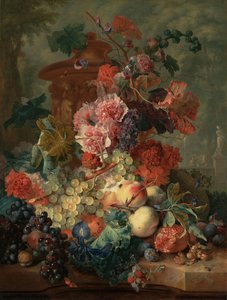
To gaze upon this magnificent depiction of flowers is to step directly into the luminous heart of the Dutch Golden Age. Justus van Huysum, the master whose brushstrokes seemed capable of capturing not just pigment on canvas, but the very ephemeral breath of life itself, presents us with a breathtaking still life. The arrangement is nothing short of opulent; a veritable cascade of blooms gathered in an elegant vase. From the softest blush of pastel petals to the deepest, most saturated hues of crimson and sapphire blue, every flower seems to possess its own unique narrative. It is a celebration of botanical abundance, rendered with a meticulousness that borders on the miraculous.
What elevates this piece beyond mere floral arrangement is the sheer technical virtuosity displayed by Van Huysum. His handling of oil paint allows for an astonishing play between light and shadow. Observe how the light seems to emanate from within the petals themselves, giving them a palpable texture—you can almost feel the velvety nap of a rose or the delicate curve of a lily's edge. The depth achieved in this composition is masterful; the flowers do not simply sit upon a surface but seem to emerge from it, creating an illusion of three-dimensional volume that speaks volumes about his skill as a painter.
Yet, the narrative thread woven through this floral tapestry extends beyond mere botany. Adding a layer of ethereal mystery is the presence of the cherubic figure in the background. This angelic element introduces themes of innocence and the divine connection to nature. The small bird held by this figure acts as a poignant symbol—a delicate emblem representing life's fragility, freedom, or perhaps the soul itself, all framed within the overwhelming beauty of the natural world. It invites the viewer into a contemplative space where art, mythology, and biology converge.
For the contemporary collector or designer, this artwork offers more than just decoration; it offers an atmosphere. The overall mood is one of serene contemplation—a quiet moment stolen from the bustle of modern life. Reproducing such a piece allows one to infuse a room with the historical gravitas and unparalleled beauty of Dutch mastery. It serves as a focal point that whispers tales of 17th-century refinement, making any space feel instantly richer, more cultured, and deeply connected to the enduring celebration of natural perfection.

In the golden light of the Dutch Golden Age, few artists captured the ephemeral splendor of nature with as much devotion and precision as Justus van Huysum. Born in Amsterdam in 1659, he emerged from a lineage of creative excellence, the son of Jan van Huysum I, a decorative painter who had brought his craft from the outskirts of Leeuwarden to the bustling artistic heart of the Netherlands. This familial foundation provided more than just a name; it offered a direct inheritance of technical skill and an intimate connection to the flourishing art market of Amsterdam. Growing up in an environment where visual creativity was a shared language, Justus was destined to refine the art of the still life into something profoundly transcendent.
The trajectory of his talent was shaped significantly by formal mentorship and early exposure to the masters of his era. In 1675, recognizing the exceptional aptitude of his son, Jan van Huysum I dispatched him to study under the renowned Nicolaes Berchem. This period of tutelage was transformative, instilling in Justus a rigorous discipline for detail and an eye for the subtle nuances of light and texture. While he possessed the versatility to explore landscapes, it was within the delicate realm of floral compositions that his true genius blossomed. He did not merely paint flowers; he sought to document their very essence, rendering petals, stems, and dew-kissed foliage with a realism so startling that it bridged the gap between fine art and botanical science.
Justus van Huysum’s work is characterized by an unparalleled ability to breathe life into the static medium of oil on canvas. His compositions often feel like captured moments of perfection, where every bloom is rendered with a meticulousness that borders on the miraculous. He possessed a rare gift for capturing the tactile qualities of his subjects—the velvety softness of a rose petal, the translucent fragility of a tulip, and the vibrant, pulsing energy of a garden in full summer glory. This technical mastery was not merely about imitation but about an emotional engagement with the natural world. His paintings served as a celebration of life's fleeting beauty, inviting viewers into a serene, idealized space where nature exists in eternal, unblemished perfection.
Beyond his individual skill, Justus played a vital role in establishing a stylistic standard that would influence generations of painters. His approach to the still life genre elevated it from mere decorative ornament to a subject worthy of deep scholarly and aesthetic contemplation. By meticulously researching botanical specimens, he ensured that his work possessed an anatomical accuracy that appealed to both the connoisseur and the scientist. This intersection of art and botany allowed his work to resonate within the intellectual circles of the 17th century, where the study of nature was deeply intertwined with the pursuit of knowledge.
The life of Justus van Huysum was also one of profound familial continuity. In 1683, his marriage to Maria Elisabeth van Voorbergen anchored a domestic life that would become a cornerstone of Dutch art history. The legacy of the Van Huysum name was carried forward by his children, most notably his son Jan van Huysum, who would go on to become one of the most celebrated flower painters in history. This lineage ensured that the techniques and the aesthetic values championed by Justus—precision, luminosity, and botanical reverence—would permeate the Dutch art scene well into the 18th century.
Though he passed away in 1716, the historical significance of Justus van Huysum remains undiminished. He stands as a pivotal figure who helped define the zenith of the Dutch floral still life. His ability to weave together technical brilliance with a profound respect for the natural world created a body of work that continues to enchant collectors and historians alike. Through his brush, the fleeting blossoms of the past are preserved forever, offering an enduring testament to the beauty of the earth and the limitless potential of the human hand.
1659 - 1716 , Netherlands
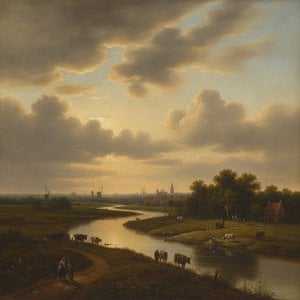
Discover the breathtaking beauty of Dutch Golden Age landscapes. Explore the mastery of light, chiaroscuro, and 17th-century realism through an expert art history lens, celebrating the enduring legacy of the Dutch Masters for discerning collectors and art lovers.

렘브란트, 베르메르의 걸작부터 할스의 인물화까지! 네덜란드 황금시대 미술의 10대 명품을 만나보세요. 예술적 깊이와 아름다움을 담은 작품들을 WahooArt에서 감상하고, 고품질 아트 프린트로 당신의 공간에 특별함을 더하세요. 지금 바로 WahooArt.com에서 모든 걸작을 발견하세요!

렘브란트 반 레인 명작 25선을 만나보세요. 빛과 그림자의 거장이 그린 역사화, 초상화 속 예술의 정수를 감상하고, 네덜란드 황금시대 바로크 미술의 깊이를 느껴보세요. WahooArt.com에서 고품질 복제화를 컬렉션하세요.

Embark on a cultural journey through the Dutch Golden Age. Explore the masterful interplay of light and shadow in 17th-century masterpieces, from Rembrandt to Vermeer, and discover how this era of profound realism continues to inspire fine art collectors today.

Explore the Dutch Golden Age of painting! Discover key artists like Vermeer & ter Borch, their innovative techniques, and the rich cultural context behind these Baroque masterpieces. Learn about collecting & appreciating this iconic art period.


최신 미술 뉴스, 특별 혜택 및 인테리어 아이디어를 가장 먼저 만나보세요.
프로젝트에 대해 알려주시면 저희 미술 전문가들이 맞춤형 아트 제안 3가지를 전달해 드립니다.
당신만을 위한 맞춤형 옵션 3가지를 무료로 추천해 드립니다!


 미리보기
미리보기
 공유하기
공유하기 공유하기
공유하기
 상세 정보
상세 정보

 다운로드
다운로드
 유사 작품
유사 작품 X-레이
X-레이 슬라이드 쇼
 더 보기
더 보기









 유리 옵션은 110cm 미만 크기에서만 선택 가능합니다.


