

빠른 제작과 다양한 마감 옵션을 선택할 수 있는 박물관 수준의 지클레이 및 캔버스 프린트. ( 수작업 채색 복제본 주문하기 디지털 이미지 판매 채널로 전환)





























작품의 원본 비율을 그대로 유지하는 프리셋 사이즈 중에서 선택해 보세요.

액자나 벽면 크기에 맞춰 필요한 가로와 세로 길이를 입력해 주세요. 프린트는 원본 이미지보다 크게 제작할 수 없으며 오직 자르는 것만 가능하므로, 비율이 다른 사이즈를 선택할 경우 이미지의 일부가 잘려 나갈 수 있습니다. 인쇄 작업에 들어가기 전, 최종 확인을 위해 디지털 목업을 보내드립니다. 이 페이지에 표시된 이미지는 실제 잘리는 영역을 나타내지 않으며, 오직 목업을 통해서만 정확한 확인이 가능합니다.
St. Philip
복제본 규격
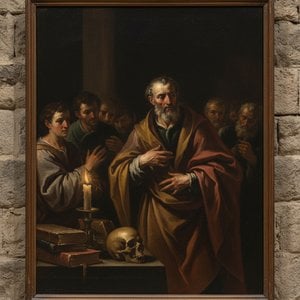
In the profound stillness of Jusepe de Ribera’s 1632 masterpiece, St. Philip, viewers are invited into a space where spiritual fortitude meets palpable human sorrow. This arresting depiction portrays the saint not as an idealized icon, but as a figure of raw, earthly devotion. As a Dominican monk, St. Philip stands as a testament to unwavering faith, yet Ribera refuses to mask the weight of his existence. The figure dominates the composition with a heavy, commanding presence, embodying a characteristic motif found throughout Ribera's oeuvre: the intersection of divine grace and mortal struggle. To gaze upon this portrait is to witness a soul caught in the quiet tension between the agony of the flesh and the peace of the spirit.
The technical brilliance of the work lies in Ribera’s mastery of tenebrismo, a dramatic form of chiaroscuro that defines the Spanish Baroque era. By skillfully manipulating extreme contrasts between light and shadow, the artist creates an unsettling juxtaposition that heightens the emotional stakes of the scene. The light does not merely illuminate; it carves the saint's features out of an encroaching darkness, emphasizing the rugged textures of his weathered skin and the coarse fabric of his monastic robes. This meticulous attention to detail—the way light catches the folds of a sleeve or the subtle lines of a furrowed brow—underscores the importance of materiality in conveying spiritual truth. Ribera eschews the polished perfection of the Renaissance, opting instead for a brutally honest portrayal of human anatomy that feels startlingly immediate even centuries later.
Painted during a period of intense religious fervor in 17th-century Naples, St. Philip reflects the complex cultural landscape of a city under Spanish rule. This was an era where artists were tasked with wrestling with themes of piety, mortality, and the profound complexities of the human experience. The dark, atmospheric sky that serves as the backdrop is far more than a mere void; it acts as a canvas for contemplation, mirroring the saint's internal spiritual battles and hinting at the looming shadow of divine judgment. Every element within the frame is laden with symbolic resonance, designed to pull the viewer into a state of meditative reflection.
For the discerning collector or interior designer, this piece offers more than just aesthetic beauty; it provides a profound emotional anchor for any space. The painting’s ability to transcend mere representation makes it a captivating centerpiece, capable of sparking conversation and evoking deep introspection. Whether placed in a quiet study or a grand gallery, the work's visceral response—born from Ribera's unflinching gaze at human vulnerability—commands respect and admiration. It is a piece that lingers in the mind long after the first encounter, offering a timeless window into the heart of Baroque intensity.
호세 데 리베라의 "St. Philip"의 Dramatic한 분위기는 추천 공간인 Living Room과 완벽하게 어우러집니다.
호세 데 리베라의 "St. Philip"의 가이드 페이지에서는 인쇄 가능한 두 장 분량의 학습용 팩트시트를 제공합니다. 여기에는 작품과 작품 정보표, 작가의 생애 속 시기를 보여주는 연대기, 해당 작가의 다른 작품들, 측정된 컬러 팔레트, 그리고 네 가지 스타일로 바로 복사하여 사용할 수 있는 인용 문구가 포함되어 있습니다.
호세 데 리베라의 "St. Philip"은(는) 1632년에 제작되었으며 Baroque Dramatic Intensity에 속합니다.


1591 - 1652 , 스페인
Explore the profound drama of Spanish Baroque art. Delve into the mastery of light, shadow, and realism through the legendary works of Diego Velázquez and the Spanish Golden Age.

 실제 크기로 보기
 보내기
보내기 공유하기
공유하기
 상세 보기
상세 보기 가이드 보기

 이미지 다운로드
 유사 작품 더 보기
 X-레이
X-레이 슬라이드 쇼 보기
 통계 정보
통계 정보


 상세 보기
상세 보기









 유리 옵션은 110cm 미만 크기에서만 선택 가능합니다.


