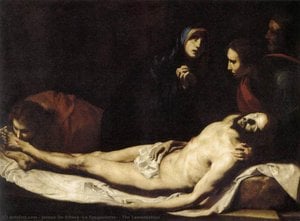
빠른 제작과 다양한 마감 옵션을 선택할 수 있는 박물관 수준의 지클레이 및 캔버스 프린트. ( 수작업 채색 복제본 주문하기 디지털 이미지 판매 채널로 전환)





























작품의 원본 비율을 그대로 유지하는 프리셋 사이즈 중에서 선택해 보세요.

특정 프레임이나 공간에 맞춰 직접 치수를 입력하실 수 있습니다. 선택하신 사이즈가 원본 이미지의 비율과 일치하지 않을 경우, 작품을 크롭(자르기)하거나 이미지를 대칭 또는 단색 채우기로 확장하여 제작합니다. 제작 시작 전, 최종 확인을 위해 디지털 목업이 전송됩니다.
화면상의 미리보기는 실제 크롭이나 확장 상태를 반영하지 않으므로, 최종 구도는 오직 목업을 통해서만 정확하게 확인하실 수 있습니다.
맞춤 사이즈 제작도 가능하지만, 원본 비율을 유지하기 위해서는 사전 정의된 목록에서 치수를 선택하시는 것을 권장합니다.

Saint Peter and Saint Paul
복제본 규격
Jusepe de Ribera's "Saint Peter and Saint Paul," painted circa 1630, is not merely a portrait; it’s a profound meditation on faith, mortality, and the enduring legacy of two pivotal figures in Christianity. Born in Xàtiva, Spain, in 1591, Jusepe de Ribera, or “Lo Spagnoletto” as he was known, forged a distinctive artistic path marked by dramatic chiaroscuro – an intense contrast between light and dark – and a brutally honest depiction of the human form. His time spent in Naples, under Spanish rule, profoundly shaped his style, imbuing it with a sense of gravitas and a fascination with religious subjects often rendered with unflinching realism.
The painting immediately commands attention through its masterful use of light. Ribera doesn’t shy away from the shadows; instead, he employs them to sculpt the figures, creating an almost sculptural quality. The deep, velvety blacks that envelop Peter and Paul are punctuated by shafts of brilliant illumination, highlighting their faces, hands, and the folds of their garments. This dramatic lighting isn't simply aesthetic; it serves to emphasize the spiritual weight of the scene, suggesting a divine presence casting its gaze upon these two venerable apostles.
Ribera’s depiction of Saint Peter and Saint Paul is remarkably unconventional for his time. Rather than presenting them as idealized saints radiating youthful beauty, he portrays them as men nearing the end of their lives – weathered, aged, and bearing the marks of earthly experience. Peter's face is lined with wrinkles, his beard thick and graying; Paul’s features are etched with a quiet sorrow. This deliberate choice to depict aging isn’t meant to diminish their importance but rather to underscore the universality of human suffering and the enduring power of faith in the face of mortality. The figures aren’t presented as triumphant heroes, but as men wrestling with doubt and seeking solace in their shared devotion.
Notice the subtle details: Peter holds a book open before him, suggesting his role as an interpreter of scripture; Paul clutches a scroll, perhaps representing his writings and teachings. Their hands are clasped together, symbolizing unity and fellowship within the Christian community. The posture of both men is one of quiet contemplation, inviting the viewer to join them in their silent dialogue with God.
“Saint Peter and Saint Paul” firmly establishes Ribera’s place within the Baroque movement, a period characterized by dramatic intensity, emotional depth, and an embrace of theatricality. His style was heavily influenced by Caravaggio, with whom he worked in Naples, adopting his signature use of tenebrism – extreme contrasts between light and dark – to create powerful visual effects. However, Ribera’s work possesses a unique character, rooted in the Spanish tradition of religious painting and infused with the gritty realism of life in Naples.
The background is deliberately indistinct, contributing to the overall sense of drama and focusing attention on the central figures. The muted colors – browns, grays, and ochres – further enhance the somber mood of the scene. Ribera’s meticulous attention to detail, particularly in rendering the textures of fabric and skin, adds a remarkable level of realism to the painting.
Beyond its technical brilliance, “Saint Peter and Saint Paul” is rich in symbolic meaning. The apostles' shared devotion represents the core tenets of Christianity – faith, hope, and charity. Their presence together speaks to the enduring power of community and the importance of mutual support in times of hardship. The painting serves as a poignant reminder that even in old age, faith can offer solace and guidance. It’s a testament to Ribera's ability to capture not just physical likeness but also the profound spiritual essence of his subjects.
Today, “Saint Peter and Saint Paul” remains a powerful and evocative work of art, captivating viewers with its dramatic lighting, realistic portrayal of aging, and enduring message of faith. It’s a piece that invites contemplation and offers a glimpse into the heart of the Baroque era – a time when artists sought to capture not only the beauty of the world but also the complexities of the human spirit.


1591 - 1652 , 스페인

Explore the profound drama of Spanish Baroque art. Delve into the mastery of light, shadow, and realism through the legendary works of Diego Velázquez and the Spanish Golden Age.

Immerse yourself in the profound legacy of Spanish Baroque art. From the spiritual intensity of Zurbarán to Goya’s emotive genius, explore museum-quality, hand-painted reproductions and bespoke commissions curated for the most discerning global collectors.

Immerse yourself in the sacred grandeur of Baroque church interiors. Explore museum-quality, hand-painted oil reproductions and bespoke religious art commissions. From breathtaking frescoes to dramatic altarpieces, we bring historical majesty to your luxury space with unmatched expertise.

 실제 크기로 보기
 보내기
보내기 공유하기
공유하기
 상세 보기
상세 보기 가이드 보기

 이미지 다운로드
 유사 작품 더 보기
 X-레이
X-레이 슬라이드 쇼 보기
 통계 정보
통계 정보


 상세 보기
상세 보기









 유리 옵션은 110cm 미만 크기에서만 선택 가능합니다.