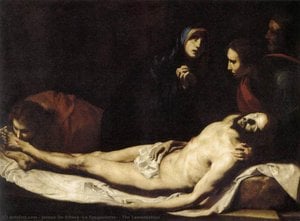
웹 미리보기 화면을 훨씬 뛰어넘는 인쇄용 파일을 만나보세요. 저희가 판매하는 모든 디지털 이미지는 스톡 데이터베이스 내의 고해상도 마스터 파일(일반적으로 가로 5,000~15,000픽셀)을 기반으로 합니다. 따라서 대형 인쇄나 정밀한 크롭 작업 시에도 세밀한 디테일을 자신 있게 구현할 수 있습니다.
저희 스튜디오를 거치는 모든 파일은 정교한 손길을 거칩니다. 디지털 전문가가 원작과 대조하여 색상을 점검하고 필요 시 보정하며, 전문 리터칭 도구를 사용하여 선명도와 디테일을 높입니다. 이 과정에서 작가의 붓 터치와 화풍을 충실히 유지하는 것을 원칙으로 합니다. 그 결과, 단순한 스캔본에 필터를 입힌 듯한 느낌이 아닌, 마치 실제 회화 작품을 보는 듯한 이미지를 구현해냅니다.
최종 완료 전 확인 단계가 있습니다. 전문가가 검토하실 수 있도록 72시간 이내에 이미지를 이메일로 보내드립니다. 결과물이 만족스럽지 않으신가요? 수정이나 보완을 요청하시거나, 품질이 기대에 미치지 못할 경우 환불을 요청하실 수 있습니다.
출판사, 디자인 스튜디오, 갤러리 및 인쇄소가 신뢰하는 바로 그 품질입니다.
개인 소장 및 전시, 인쇄, 창작 프로젝트를 위한 고해상도 파일을 다운로드하세요. ( 프린트 판매로 전환 수작업 채색 복제본 주문하기)
WahooArt.com를 선택하시면 단순히 이미지를 받는 것을 넘어, 정밀한 보정 과정을 거쳐 완성된 전문적인 디지털 예술 작품을 만나보실 수 있습니다. 모든 주문에는 만족 보장 서비스가 포함되어 있으며, 다음과 같은 사항들이 자동으로 제공됩니다:
주문 후 72시간 이내에 고해상도 디지털 이미지 파일이 이메일로 발송되며, 즉시 사용하실 수 있습니다.
귀하의 작품은 첨단 AI 기술과 정교한 수동 편집 과정을 거쳐 전문적으로 최적화되며, 이를 통해 디테일과 선명도, 색상의 정확도를 극대화합니다.
파일을 실수로 삭제하거나 분실하셨나요? 걱정 마세요. 언제든 무료로 다시 보내드립니다.
관세, 부가세, 배송비 부담 없이 작품을 즉시 소장하세요 - 디지털 다운로드는 언제나 면세 혜택이 적용됩니다.
전문적인 도구와 색상 관리 시스템을 통해 디지털 이미지가 원본의 색상을 최대한 정확하게 구현하도록 보장합니다.
구매하신 디지털 이미지에 만족하지 못하실 경우, 100일 이내에 별도의 조건 없이 수정 또는 100% 환불을 진행해 드립니다.
만족스럽지 않으신가요? 디지털 파일을 받으신 후 100일 이내라면 어떤 이유로든 조건 없이 전액 환불해 드립니다.
이미지 3매 구매 시 10% 할인 - 5매 구매 시 15% 할인 - 10매 이상 구매 시 20% 할인. 크리에이티브 프로젝트, 갤러리, 에이전시에 매우 유용합니다.
Jusepe de Ribera's 1626 painting, *Drunken Silenus*, isn’t merely a depiction of a drunken reveler; it’s a visceral plunge into the heart of the Baroque era – a world saturated with drama, religious fervor, and a profound fascination with human vulnerability. Housed within the Museo di Capodimonte in Naples, this monumental canvas immediately commands attention with its stark contrasts of light and shadow, a signature technique known as tenebrism that Ribera honed to breathtaking effect. The scene unfolds against a dark, almost claustrophobic background, drawing the viewer’s eye relentlessly towards Silenus himself – a figure sprawled upon a simple cloth, his body rendered with an unflinching realism that borders on brutality. He's not idealized; he’s a man consumed by intoxication, his features distorted by wine-induced delirium, yet there’s a strange magnetism in his slumped posture and vacant gaze.
Ribera masterfully employs color to heighten the drama. Deep reds and browns dominate the palette, punctuated by flashes of gold and silver – the glint of the cup offered by a satyr, the shimmering wreath crowning Silenus’s head. This interplay of light and dark isn't simply aesthetic; it serves to emphasize the figure’s vulnerability and isolation within the chaotic energy of the surrounding group. The composition itself is deliberately unbalanced, mirroring the disequilibrium of Silenus’s state. The figures around him – a panoply of satyrs, maenads, and drunken revelers – are rendered with equally intense detail, each contributing to the painting's overall sense of unrestrained abandon.
Silenus himself is a figure steeped in Greek mythology. He’s not simply a drunkard; he’s Dionysus’s tutor, a companion who embodies the god’s wildness, his connection to nature, and his association with intoxication and ecstasy. Ribera cleverly adapts this mythological archetype for a Baroque audience, imbuing it with layers of symbolic meaning. The snake coiled at the bottom right, a recurring motif in Ribera's work, represents wisdom – a paradoxical element within the context of drunken revelry. The turtle to the right symbolizes laziness and sloth, further reinforcing the painting’s exploration of human weakness and indulgence.
Pan, the god of shepherds and wild nature, is depicted crowning Silenus with vines, a gesture that simultaneously celebrates his status as a divine figure and subtly mocks his drunken state. The shell he holds – a symbol announcing his death – adds another layer of morbid humor to the scene. The inclusion of these classical symbols within a secular setting speaks to the Baroque era’s fascination with blending religious and mythological themes, creating works that were both deeply spiritual and intensely worldly.
Ribera's mastery of technique is evident in every brushstroke. He employs a highly detailed, almost photographic realism, meticulously rendering the textures of skin, fabric, and foliage. However, it’s his use of tenebrism – the dramatic contrast between light and dark – that truly elevates *Drunken Silenus* to a masterpiece. Ribera doesn't simply paint; he sculpts with light, creating an illusion of depth and volume that draws the viewer into the scene. The strong chiaroscuro not only emphasizes the figures but also evokes a sense of drama and urgency.
The etching version of this painting, now held in the British Museum, demonstrates Ribera’s ability to translate his dramatic style to printmaking. The stark contrasts of light and shadow are even more pronounced in the etching, creating a powerful and immediate impact. The simplified forms and heightened detail further emphasize the emotional intensity of the scene.
Created in Naples during the Spanish rule of the city, *Drunken Silenus* is more than just a mythological painting; it’s a reflection of the social and cultural landscape of 17th-century Italy. Ribera's work often explored themes of poverty, suffering, and mortality – subjects that resonated deeply with the realities of life in Naples. The inscription on the painting itself—"Hic est Silenus, qui in Nipo diebat"—("Here is Silenus who lived in Naples")—is a deliberate act of claiming artistic ownership over the city, solidifying his position as one of its most significant cultural figures. *Drunken Silenus* remains a powerful testament to Ribera’s genius and a captivating window into the dramatic world of the Baroque.
호세 데 리베라의 "Drunken Silenus"의 기록된 인기도는 Iconic입니다.
"Drunken Silenus"의 색상은 Earthy 팔레트를 이룹니다. 이 분류는 작품을 지배하는 주요 색상군을 나타냅니다.
"Drunken Silenus"에서 가장 돋보이는 색상은 Phthalo Green (#1f1a14)입니다. 작품의 주된 색상을 활용하면 인테리어와 더욱 조화롭게 연출할 수 있습니다.


1591 - 1652 , 스페인
 미리보기
미리보기
 공유하기
공유하기 공유하기
공유하기
 상세 정보
상세 정보 가이드 보기

 다운로드
다운로드
 유사 작품 더 보기
 X-레이
X-레이 슬라이드 쇼 보기
 질의응답
질의응답
 통계 정보
통계 정보


 더 보기
더 보기