
 Acrylic On CanvasWallArtDutch Golden Age
 54.0 x 44.0 cm
 월라프 리하르츠 박물관
빠른 제작과 다양한 마감 옵션을 제공하는 박물관 품질의 지클레이 또는 캔버스 프린트. ( 손으로 그린 그림 구매 디지털 이미지로 전환)





























작품의 원본 비율을 유지하는 미리 설정된 크기 중에서 선택하세요.

특정 프레임이나 공간에 맞춰 직접 치수를 입력하실 수 있습니다. 선택하신 사이즈가 원본 이미지의 비율과 일치하지 않을 경우, 작품을 크롭(자르기)하거나 이미지를 대칭 또는 단색 채우기로 확장하여 제작합니다. 제작 시작 전, 최종 확인을 위해 디지털 목업이 전송됩니다.
화면상의 미리보기는 실제 크롭이나 확장 상태를 반영하지 않으므로, 최종 구도는 오직 목업을 통해서만 정확하게 확인하실 수 있습니다.
맞춤 사이즈 제작도 가능하지만, 원본 비율을 유지하기 위해서는 사전 정의된 목록에서 치수를 선택하시는 것을 권장합니다.

Still-Life
복제본 크기
Juriaen van Streeck’s “Still-Life,” a remarkably preserved panel dating from the mid-17th century, offers a captivating glimpse into the world of Dutch Golden Age painting. More than simply a depiction of objects—a bowl of fruit, a porcelain ewer, and a scattering of silverware—it's an intricate meditation on light, texture, and the fleeting nature of beauty itself. The painting resides within the Bavarian State Painting Collections, a testament to its enduring quality and artistic merit.
Van Streeck’s style is deeply rooted in the traditions established by Willem Kalf, yet possesses a subtle individuality. He masterfully employs chiaroscuro—the dramatic contrast between light and shadow—to imbue each object with a palpable sense of volume and realism. The artist doesn't merely represent; he sculpts with light, creating an illusion of depth that draws the viewer into the scene. Notice how the folds of the velvet cloth seem to ripple in the reflected light, or how the sheen on the porcelain gleams with an almost ethereal quality.
The composition itself is a carefully orchestrated arrangement of seemingly disparate elements. The central focus rests upon a rich still life featuring a blue and white Wan-li bowl, overflowing with luscious peaches, a vibrant lemon, and an orange – each rendered with meticulous detail. A porcelain ewer and vase, alongside a gleaming silver knife, complete the tableau. But these are not merely decorative objects; they carry layers of symbolic meaning deeply embedded within the context of 17th-century Dutch society.
The inclusion of fruit, particularly peaches and oranges, was a deliberate reference to prosperity and abundance – hallmarks of the burgeoning merchant class that dominated the Netherlands at the time. The porcelain ewer, with its intricate floral patterns, speaks to the appreciation for luxury goods imported from the East. Even the loaf of bread, partially consumed, subtly alludes to the transient nature of earthly pleasures, a common theme in Dutch Golden Age art reflecting on mortality and the vanity of worldly possessions. The two butterflies fluttering amongst the objects further enhance this sense of ephemeral beauty.
Van Streeck's skill lies not just in his ability to render objects with photographic accuracy, but also in his understanding of how light interacts with different surfaces. He demonstrates a remarkable control over brushwork, creating subtle gradations of tone that mimic the way light would fall upon these materials. The painting’s palette is restrained yet sophisticated, dominated by rich browns, golds, and deep reds – colors that evoke the opulence of the Dutch merchant elite.
Created during a period of immense artistic innovation, “Still-Life” reflects the broader cultural trends of the time. The rise of the middle class fueled a demand for art depicting domestic life and luxurious objects, while artists like Van Streeck continued to explore themes of beauty, mortality, and the complexities of human experience. The painting’s provenance – its acquisition by the Princeton University Art Museum in 1954 – underscores its historical significance and enduring appeal.
Reproductions of “Still-Life” offer a remarkable opportunity to bring this exquisite work into your home or office. The meticulous detail, the masterful use of light, and the profound symbolism combine to create a piece that is both visually stunning and intellectually stimulating. Consider pairing it with pieces that evoke similar themes – perhaps a richly textured rug, a vintage silver tray, or a collection of antique ceramics – to create an interior space that reflects your appreciation for beauty, history, and the enduring power of art.


Explore the captivating world of Dutch Golden Age still life with Abraham van Beyeren. Discover his innovative techniques, symbolic banquet scenes & lasting influence on art history. Learn about collecting these masterpieces.
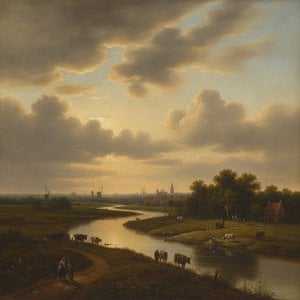
Discover the breathtaking beauty of Dutch Golden Age landscapes. Explore the mastery of light, chiaroscuro, and 17th-century realism through an expert art history lens, celebrating the enduring legacy of the Dutch Masters for discerning collectors and art lovers.

렘브란트 반 레인 명작 25선을 만나보세요. 빛과 그림자의 거장이 그린 역사화, 초상화 속 예술의 정수를 감상하고, 네덜란드 황금시대 바로크 미술의 깊이를 느껴보세요. WahooArt.com에서 고품질 복제화를 컬렉션하세요.

렘브란트, 베르메르의 걸작부터 할스의 인물화까지! 네덜란드 황금시대 미술의 10대 명품을 만나보세요. 예술적 깊이와 아름다움을 담은 작품들을 WahooArt에서 감상하고, 고품질 아트 프린트로 당신의 공간에 특별함을 더하세요. 지금 바로 WahooArt.com에서 모든 걸작을 발견하세요!

Explore the Dutch Golden Age of painting! Discover key artists like Vermeer & ter Borch, their innovative techniques, and the rich cultural context behind these Baroque masterpieces. Learn about collecting & appreciating this iconic art period.


 미리보기
미리보기
 공유하기
공유하기 공유하기
공유하기
 상세 정보
상세 정보

 다운로드
다운로드
 유사 작품
유사 작품 X-레이
X-레이 슬라이드 쇼
 통계 정보
통계 정보 더 보기
더 보기









 유리 옵션은 110cm 미만 크기에서만 선택 가능합니다.


