
원하는 크기와 액자로 주문 제작되는, 작가들이 직접 캔버스에 손으로 그린 유화 작품입니다. ( 프린트 판매로 전환 디지털 이미지로 전환)
작품의 원본 비율을 유지하는 미리 설정된 크기 중에서 선택하세요.

특정 프레임이나 공간에 맞도록 직접 크기를 입력할 수 있습니다. 선택하신 크기가 원본 이미지의 비율과 일치하지 않는 경우, 작품을 자르거나 추가적인 손으로 그린 요소를 사용하여 그림을 확장합니다. 제작 시작 전 승인을 위해 디지털 목업을 보내드립니다.
화면 미리 보기는 실제 자르기 또는 확장을 반영하지 않습니다. 최종 구성은 목업을 통해서만 정확하게 확인하실 수 있습니다.
맞춤 크기 제작도 가능하지만, 원본 비율을 유지하기 위해 사전 정의된 목록에서 크기를 선택하시는 것을 권장합니다.

soir De Bataille
복제본 크기

In the heart of nineteenth-century France, a period defined by both profound social upheaval and unparalleled artistic flourishing, Jules Girardet emerged as a master of narrative and emotion. Born on April 10, 1856, in the historic surroundings of Versailles, Girardet was a man of dual heritage, carrying the meticulous discipline of his Swiss Huguenot ancestry into the vibrant, often turbulent, atmosphere of Parisian art circles. His very lineage was steeped in the craft of visual storytelling; as the son of the skilled engraver Paul Girardet, Jules inherited an eye for fine detail and a profound respect for the technical precision required to breathe life into a composition. This foundation allowed him to navigate the transition from the rigid structures of Academicism to the more fluid, emotive realms of Impressionism with remarkable grace.
Girardet’s artistic education was as prestigious as it was transformative. Studying at the École des Beaux-arts in Paris, he found himself under the mentorship of Alexandre Cabanel, a titan of Academic Impressionism. It was within these hallowed studios that Girardet refined his ability to capture light and shadow, learning to balance classical form with a burgeoning interest in atmospheric truth. While many of his contemporaries sought only the grandeur of myth, Girardet’s gaze often drifted toward the human condition. His early explorations were marked by expeditions to North Africa alongside his brother, the renowned Orientalist Eugène Girardet. These journeys through sun-drenched landscapes and vibrant desert scenes provided him with a rich palette of color and a sense of exotic wonder, yet they ultimately served as a prelude to his true passion: the intimate and the historical.
As his career matured, Girardet began to pivot away from the sweeping vistas of the Orient, choosing instead to anchor his brush in the lived experiences of his era. He became a preeminent practitioner of genre painting, an art form dedicated to capturing the quiet, often overlooked moments of everyday life. Whether portraying the soft light filtering through a domestic interior or the bustling energy of a rural market, Girardet possessed a rare sensitivity for human interaction. His work was never merely observational; it was imbued with a palpable sense of mood and psychological depth, making the viewer feel like an unobserved guest in the very scenes he depicted.
This mastery of the "everyday" was complemented by his profound talent as an illustrator. Girardet’s ability to translate literary drama onto the page was evidenced in his work for Frédéric Dillaye's Mademoiselle de Fierlys, where his illustrations captured the high stakes of maritime adventure with cinematic flair. This versatility—the ability to move between the delicate nuances of a portrait and the sweeping drama of a narrative illustration—marked him as one of the most complete artists of the Belle Époque.
Beyond the domestic and the decorative, Girardet held a deep fascination with the historical currents that shaped France. He found profound inspiration in the political tremors of his time, frequently returning to themes surrounding the Paris Commune and the iconic figure of Louise Michel. Through these history paintings, he did not merely document events; he sought to capture the spirit of resistance and the heavy cost of social transformation. His work served as a bridge between the documented past and the emotional present, ensuring that the struggles of his era were immortalized through an artistic lens.
The recognition of his talent was widespread and prestigious. A pivotal moment in his career arrived at the 1889 Exposition Universelle, where he was awarded a Silver Medal, a distinction that solidified his standing among the leading artists of France. This accolade reflected not just his technical prowess, but his ability to resonate with the cultural zeitgeist of a nation in flux. By the time of his passing in Boulogne-Billancourt in 1938, Jules Girardet had left behind an oeuvre that stood as a testament to the enduring power of narrative art—a collection of works that continue to invite us into the intimate, the historical, and the profoundly human.

1856 - 1938
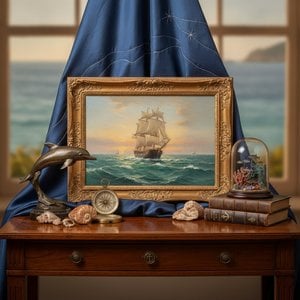
Immerse yourself in the profound beauty of marine art. From 17th-century maritime masterpieces to bespoke hand-painted oil reproductions, discover a curated collection of exquisite seascapes designed for the discerning collector and luxury interior professional. Experience timeless elegance.

Discover the profound allure of maritime art through our curated collection of exquisite nautical masterpieces. From hand-painted oil reproductions to bespoke commissions, we provide museum-quality seascapes for elite collectors and luxury hospitality design worldwide.

Discover the profound allure of oil on canvas. Explore the mastery of impasto textures, the science of pigment longevity, and expert guides to selecting museum-quality reproductions that elevate your collection with timeless elegance and tactile depth.

Discover the enduring allure of oil on canvas. Explore how master techniques like impasto and glazing create the depth, texture, and emotional resonance found in the world's greatest masterpieces. An essential guide for fine art enthusiasts and discerning collectors.

Elevate your collection with the tactile elegance of hand-painted oil masterpieces. From bespoke reproductions to custom portraits from photography, discover museum-quality artistry crafted by academy-trained experts for discerning collectors and designers worldwide.


 미리보기
미리보기
 공유하기
공유하기 공유하기
공유하기
 상세 정보
상세 정보 가이드 보기

 다운로드
다운로드
 유사 작품
유사 작품 X-레이
X-레이 슬라이드 쇼
 통계 정보
통계 정보
 더 보기
더 보기






































 유리 옵션은 110cm 미만 크기에서만 선택 가능합니다.


