

빠른 제작과 다양한 마감 옵션을 선택할 수 있는 박물관 수준의 지클레이 및 캔버스 프린트. ( 수작업 채색 복제본 주문하기 디지털 이미지 판매 채널로 전환)





























작품의 원본 비율을 그대로 유지하는 프리셋 사이즈 중에서 선택해 보세요.

특정 프레임이나 공간에 맞춰 직접 치수를 입력하실 수 있습니다. 선택하신 사이즈가 원본 이미지의 비율과 일치하지 않을 경우, 작품을 크롭(자르기)하거나 이미지를 대칭 또는 단색 채우기로 확장하여 제작합니다. 제작 시작 전, 최종 확인을 위해 디지털 목업이 전송됩니다.
화면상의 미리보기는 실제 크롭이나 확장 상태를 반영하지 않으므로, 최종 구도는 오직 목업을 통해서만 정확하게 확인하실 수 있습니다.
맞춤 사이즈 제작도 가능하지만, 원본 비율을 유지하기 위해서는 사전 정의된 목록에서 치수를 선택하시는 것을 권장합니다.

The Bottle
복제본 규격
In the vibrant, experimental atmosphere of 1914 Paris, Juan Gris achieved a profound synthesis of reality and abstraction in his seminal work, The Bottle. This composition serves as a breathtaking testament to the era of papier collé, a technique that revolutionized the way artists approached the canvas. Unlike the more fragmented and austere approaches of his contemporaries, Picasso and Braque, Gris utilized a method that felt lush, deliberate, and deeply textured. The painting invites the viewer into a meticulously constructed world where the boundaries between everyday objects and artistic invention blur, creating a sense of organized chaos that is both intellectually stimulating and visually captivating.
The subject matter—a collection of bottles, a cup, and a clock—transcends mere still life. Through the clever use of layered papers and paint, Gris transforms mundane items into a complex architectural arrangement. The central bottle, bearing the name "Philip," acts as an anchor for the eye, its translucent brown tones suggesting the weight and depth of real glass. Surrounding it, the presence of other vessels and the rhythmic geometry of the clock create a dense, layered environment. This is not merely a depiction of objects; it is an exploration of how we perceive space and form through the intersection of different materials and textures.
What distinguishes The Bottle is Gris’s unparalleled mastery of the papier collé technique. During a prolific eight-month period in 1914, Gris experimented with the hybrid medium of adhering diverse paper elements—ranging from newspaper clippings to patterned wallpapers—directly onto the canvas. This method allowed him to introduce "real" textures into the painted realm, challenging the traditional sanctity of oil painting. He did not simply paste shapes; he carefully planned each layer, using cut and matched pieces of paper to build a structural foundation that he would then outline, shade, and highlight with masterful precision.
This technique creates a fascinating tension between trompe l’oeil (deceiving the eye) and pure abstraction. While some elements mimic the appearance of physical depth and light, others remain resolutely flat and graphic. For the discerning collector or interior designer, this duality offers an incredible versatility. The work possesses a rhythmic, decorative quality that can anchor a modern room with its sophisticated geometry, yet it retains a profound historical weight that commands respect in any gallery setting.
Beyond its visual allure, The Bottle represents the intellectual climax of Gris’s exploration into Cubism. His background in engineering is evident in the structural integrity of the composition; every fragment feels essential to the whole. The work captures a specific moment in art history—the transition from the analytical deconstruction of objects to the synthetic reconstruction of new realities. It is a piece that rewards repeated viewing, as the eye discovers new intersections of color, shadow, and texture with every glance.
For those seeking to bring a piece of the Parisian avant-garde into their personal or professional spaces, a high-quality reproduction of this work offers more than just decoration. It provides an entry point into the revolutionary spirit of 1914. The painting’s rich palette of earth tones, punctuated by the sharp lines of newsprint and geometric forms, makes it an ideal centerpiece for sophisticated interiors that value historical depth, intellectual rigor, and the timeless beauty of the Cubist movement.

1887 - 1927 , 스페인

Unveil the radical revolution of Cubism. Explore how masters like Picasso and Braque redefined modern art through fragmented forms and geometric abstraction, offering profound insights for discerning collectors of fine art history and masterpieces.

Explore the profound evolution of Cubism through an expert analysis of Pablo Picasso's revolutionary works. From Analytical to Synthetic Cubism, discover the techniques that redefined modern art and learn how to curate these iconic masterpieces for your private collection.
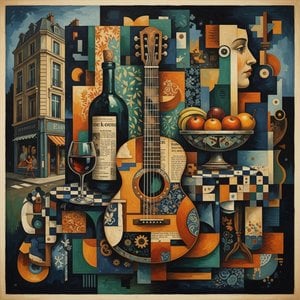
Master the vibrant world of Synthetic Cubism with our expert guide. Explore the revolutionary techniques of Picasso and Braque, from collage to color, and discover how this movement redefined modern art for collectors and connoisseurs alike.

Embark on a journey through the revolutionary world of Cubism. Discover how masters like Picasso redefined perspective through Analytical and Synthetic techniques in this expert-led guide for art enthusiasts and collectors.

Master the complexities of Cubism with our expert guide for collectors. Explore the revolutionary forms of Picasso, distinguish between Analytical and Synthetic styles, and learn to integrate these profound geometric aesthetics into your private art collection.

 실제 크기로 보기
 보내기
보내기 공유하기
공유하기
 상세 보기
상세 보기 가이드 보기

 이미지 다운로드
 유사 작품 더 보기
 X-레이
X-레이 슬라이드 쇼 보기
 통계 정보
통계 정보


 상세 보기
상세 보기









 유리 옵션은 110cm 미만 크기에서만 선택 가능합니다.


