
작가가 직접 캔버스에 손으로 그린 유화 작품으로, 원하는 크기와 액자로 맞춤 제작해 드립니다. ( 프린트 판매로 전환 디지털 이미지 판매 채널로 전환)
작품의 원본 비율을 그대로 유지하는 프리셋 사이즈 중에서 선택해 보세요.

액자나 벽면 크기에 맞춰 필요한 가로와 세로 길이를 입력해 주세요. 본 작품은 수작업으로 제작되므로, 요청하신 비율에 따라 작가가 그림의 가장자리를 조금 더 넓게 그리거나 일부를 조정하여 작업할 수 있습니다. 작업 시작 전, 최종 확인을 위해 디지털 목업 이미지를 보내드립니다. 이 페이지에 표시된 이미지는 실제 결과물과 다를 수 있으며, 오직 목업 이미지만이 정확한 결과물을 보여줍니다.
Harlequin
복제본 규격
Juan Gris’ “Harlequin,” completed in 1918, stands as a cornerstone of Cubist art and embodies the anxieties inherent within the burgeoning modernist movement. More than just a depiction of a theatrical character—a nod to the enduring traditions of Commedia dell’arte—the sculpture delves into profound questions about perception, representation, and the disintegration of traditional artistic conventions.
Gris’ masterful manipulation of geometric forms is immediately striking. The figure isn't rendered in a conventional manner; instead, it’s constructed from interlocking planes—primarily rectangular blocks—that overlap and intersect to suggest volume without resorting to realistic shading. This technique, pioneered by Picasso and Cézanne before him, deliberately rejects illusionistic depth, prioritizing intellectual analysis over visual accuracy. Lines are crisp and angular, defining the edges of these planes with unwavering precision – a characteristic that reflects the Cubist preoccupation with dissecting objects into their constituent parts.
The color palette is deliberately muted, dominated by shades of grey, brown, and green. These earthy tones contribute to an atmosphere of solemn contemplation and subtly convey a sense of isolation. Hints of blue and gold appear sparingly, adding visual interest without disrupting the overall tonal harmony. The surface texture appears smooth due to photographic reproduction; however, Gris’ original bronze sculpture would have possessed a matte finish—a deliberate choice that reinforces the artwork's textural ambiguity.
"Harlequin with a Guitar" emerged during a period of intense intellectual ferment in Europe. The aftermath of World War I instilled a pervasive feeling of disillusionment and uncertainty, prompting artists to question established norms and explore new modes of expression. Cubism responded directly to this zeitgeist by rejecting academic idealism and embracing the fragmented perspective—a visual metaphor for the fractured realities experienced during the postwar era. As noted in Wikipedia, “Like many European artists before them, Cubists often depicted Harlequin, a stock character in the Italian commedia dell’arte…”
The sculpture's symbolism transcends mere visual depiction. The figure embodies the Cubist ethos of dismantling preconceived notions and challenging viewers to reconsider their understanding of form and space. It evokes a feeling of alienation—a characteristic theme within modernist art—and invites contemplation on the complexities of human experience. Gris’ deliberate abstraction serves as a powerful reminder that art can communicate emotion and intellect without relying solely on visual realism.
A high-quality reproduction of “Harlequin” captures the essence of Gris’ groundbreaking vision. Offered by The Metropolitan Museum of Art and National Gallery of Art, this artwork exemplifies the enduring appeal of Cubist art—its intellectual rigor combined with its evocative aesthetic qualities. Explore the beauty and depth of this iconic piece.
후안 그리스의 "Harlequin"은(는) 작품의 슬라이드쇼 페이지에서 슬라이드쇼로 감상하실 수 있습니다.
후안 그리스의 "Harlequin"의 Elegant한 분위기는 추천 공간인 Living Room과 완벽하게 어우러집니다.
아니요 - 해당 작품은 해외에 보관되어 있습니다. 후안 그리스의 출생국은 스페인이며, "Harlequin"의 원작을 소장하고 있는 미술관은 미국에 있습니다.

1887 - 1927 , 스페인
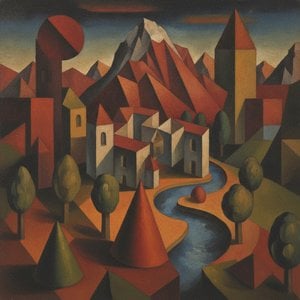
Explore the profound evolution of Cubist landscapes. Discover how masters like Braque and Picasso redefined perspective through geometric mastery, transforming nature into an intellectual mosaic of form and light for the discerning modern art collector.

Explore the profound evolution of Cubist still life, from Cézanne's structural foundations to the fragmented brilliance of Braque and Léger. Discover how geometric abstraction redefined reality through a sophisticated lens of form, color, and modern artistic mastery.

Master the nuances of Giclée printing with our expert guide. Discover how pigment-based inks and museum-grade substrates create fade-resistant, high-fidelity art reproductions designed for discerning collectors seeking unparalleled quality and longevity.


 보내기
보내기 공유하기
공유하기
 상세 보기
상세 보기 가이드 보기

 이미지 다운로드
 유사 작품 더 보기
 슬라이드 쇼 보기
 Q&A
Q&A 통계 정보
통계 정보


 상세 보기
상세 보기






































 유리 옵션은 110cm 미만 크기에서만 선택 가능합니다.


