
 Acrylic On CanvasWallArtCubist Collage
 1916
1916 29.0 x 46.0 cm
 레이나 소피아 국립 미술관
빠른 제작과 다양한 마감 옵션을 제공하는 박물관 품질의 지클레이 또는 캔버스 프린트. ( 손으로 그린 그림 구매 디지털 이미지로 전환)





























작품의 원본 비율을 유지하는 미리 설정된 크기 중에서 선택하세요.

특정 프레임이나 공간에 맞춰 직접 치수를 입력하실 수 있습니다. 선택하신 사이즈가 원본 이미지의 비율과 일치하지 않을 경우, 작품을 크롭(자르기)하거나 이미지를 대칭 또는 단색 채우기로 확장하여 제작합니다. 제작 시작 전, 최종 확인을 위해 디지털 목업이 전송됩니다.
화면상의 미리보기는 실제 크롭이나 확장 상태를 반영하지 않으므로, 최종 구도는 오직 목업을 통해서만 정확하게 확인하실 수 있습니다.
맞춤 사이즈 제작도 가능하지만, 원본 비율을 유지하기 위해서는 사전 정의된 목록에서 치수를 선택하시는 것을 권장합니다.

Coffee Grinder, Cup and Glass on a Table
복제본 크기
This exquisite 1916 painting by Juan Gris, titled "Coffee Grinder, Cup and Glass on a Table," offers more than just a depiction of domestic objects; it's a carefully constructed meditation on form, space, and the very nature of perception. Created during his pivotal engagement with Cubism alongside poet Pierre Reverdy – a collaboration documented in their ambitious project, Au soleil du plafond – this work embodies the radical experimentation that defined the era’s most groundbreaking artistic movements. Measuring 29 x 46 cm, it's a remarkably intimate scale, drawing the viewer into a quiet tableau of everyday life transformed through Gris’s intensely analytical and innovative lens.
Juan Gris, born José Victoriano González-Pérez in Madrid in 1887, arrived at painting with an engineer's precision – a mind trained to dissect and understand the world through logical structures. His early studies under José Moreno Carbonero laid the groundwork for his later explorations, but it was his partnership with Pierre Reverdy that truly ignited his artistic revolution. Reverdy’s poems, intended to accompany Gris’s chromolithographs in Au soleil du plafond, weren't merely decorative; they were integral to the artwork’s conceptual framework. This collaborative process pushed Gris beyond simply representing objects; he was tasked with visually translating Reverdy’s poetic ideas of space and simultaneity – a core tenet of Cubism.
Gris's technique in "Coffee Grinder, Cup and Glass on a Table" is characterized by its deliberate fragmentation and reconstruction. The objects are not presented as unified wholes but rather broken down into geometric planes, analyzed from multiple viewpoints simultaneously. Notice the sharp angles of the coffee grinder, the flattened forms of the cup and glass, and the overlapping perspectives that create a sense of dynamic tension. The muted palette – predominantly browns, ochres, and greys – contributes to the painting’s contemplative mood, allowing the viewer's eye to focus on the intricate interplay of shapes and shadows. The inclusion of the chair in the background, slightly out of focus, subtly suggests a human presence, further grounding this abstract composition within a recognizable reality.
Beyond its formal qualities, the painting carries a quiet emotional resonance. The scene evokes a sense of domestic tranquility – a moment of pause before or after a simple ritual. The coffee grinder itself, a symbol of industry and routine, is rendered with an almost sculptural quality, elevating it to something more than just a functional object. Gris’s masterful manipulation of light and shadow creates depth and volume within the flattened planes, inviting the viewer to contemplate not only the objects themselves but also the act of observation – the very process by which we construct our understanding of the world. This piece is a testament to Gris's ability to transform the mundane into something profoundly artistic, reflecting the intellectual and aesthetic currents of early 20th-century Europe.

1887 - 1927 , 스페인

Discover the breathtaking allure of Art Deco. Explore the era's iconic geometry, legendary designers like Erté, and timeless glamour. Perfect for discerning collectors seeking to infuse their spaces with sophisticated modernist elegance and historical prestige.
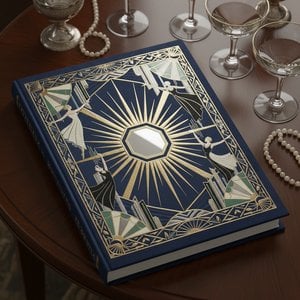
Discover the allure of Art Deco through a curated guide to its most iconic masterpieces. Explore the elegance of Erté and the innovation of Jean Dunand, perfect for collectors seeking timeless glamour and sophisticated design inspiration.

Unveil the radical revolution of Cubism. Explore how masters like Picasso and Braque redefined modern art through fragmented forms and geometric abstraction, offering profound insights for discerning collectors of fine art history and masterpieces.


 미리보기
미리보기
 공유하기
공유하기 공유하기
공유하기
 상세 정보
상세 정보 Guide
Guide

 다운로드
다운로드
 유사 작품
유사 작품 X-레이
X-레이 슬라이드 쇼
 통계 정보
통계 정보 더 보기
더 보기









 유리 옵션은 110cm 미만 크기에서만 선택 가능합니다.


