


이 페이지에 표시된 작품은 저작권법의 보호를 받으며, 이에 따라 동일한 복제품을 제작하거나 판매하는 것은 법으로 금지되어 있습니다. 이러한 권리 보호는 다음과 같은 국제 협약에 따라 시행됩니다. 베른 협약 또한 다음에서 명시하는 법률을 포함한 국내법에 의해 보호됩니다. 미국 저작권법 제17조.
이 방식은 저작권 보호를 받는 예술 작품을 복제하거나 그대로 재현하는 것이 아니기에 저작권 규정을 완벽히 준수합니다. 대신, 이는 창의적인 재해석의 과정을 거칩니다. 즉, 원작에서 영감을 받되 원작과 동일하지 않은 새로운 회화 작품을 의미합니다.
빠른 제작과 다양한 마감 옵션을 제공하는 박물관 수준의 지클레이 및 캔버스 프린트. ( 수작업 채색 복제본 주문하기 디지털 이미지로 전환)





























작품의 원본 비율을 그대로 유지하는 프리셋 사이즈 중에서 선택해 보세요.

액자나 벽면 크기에 맞춰 필요한 가로와 세로 길이를 입력해 주세요. 프린트는 원본 이미지보다 크게 제작할 수 없으며 오직 자르는 것만 가능하므로, 비율이 다른 사이즈를 선택할 경우 이미지의 일부가 잘려 나갈 수 있습니다. 인쇄 작업에 들어가기 전, 최종 확인을 위해 디지털 목업을 보내드립니다. 이 페이지에 표시된 이미지는 실제 잘리는 영역을 나타내지 않으며, 오직 목업을 통해서만 정확한 확인이 가능합니다.
Mujer y el mar
복제본 크기
Joy St Clair Hester's "Mujer y el mar" (Woman and the Sea) is not merely a depiction of a female figure; it’s an immersion into a realm of introspective melancholy, rendered with a masterful command of ink and charcoal. Completed in 1956, this work stands as a poignant testament to Hester's signature style – a deeply emotive exploration of human experience, often tinged with a subtle undercurrent of sadness and solitude. The painting immediately draws the viewer in with its monochromatic palette, dominated by shades of gray, black, and white, creating an atmosphere both stark and profoundly intimate. It’s a deliberate choice that strips away superficiality, forcing us to confront the raw emotion conveyed through form and texture.
The composition is strikingly centered around the woman's face, her gaze directed slightly off-camera – a subtle gesture that invites the viewer into her private world. The horizontal line bisecting the image acts as a grounding element, providing structure without disrupting the overall sense of unease or contemplation. Hester’s technique is characterized by loose, gestural brushstrokes, particularly evident in the delineation of the face and hair. These aren't precise renderings; instead, they are expressive marks that convey movement and feeling. Thick layers of ink build up a rich surface texture, punctuated by softer washes that create subtle gradations of tone – a masterful manipulation of value to suggest depth and form. The use of layering is crucial, building an illusion of space and adding to the painting’s tactile quality; it feels as though you could reach out and trace the contours of her face with your fingertips.
The title itself, “Mujer y el mar,” immediately establishes a powerful symbolic connection. The sea has long been a potent metaphor for both life’s vastness and its inherent uncertainties – a space of mystery, danger, and profound beauty. The woman's posture, her averted gaze, suggests a quiet contemplation, perhaps even a yearning or a sense of isolation. There’s an undeniable vulnerability in her expression, hinting at unspoken emotions and hidden depths. Hester was deeply influenced by the Expressionist movement, prioritizing emotional impact over strict realism. This is evident in the painting’s raw intensity and its willingness to confront difficult themes – loneliness, loss, and the complexities of human relationships. The monochromatic palette further amplifies this sense of introspection, stripping away distractions and focusing solely on the core emotions at play.
To fully appreciate “Mujer y el mar,” it’s essential to understand the context in which it was created. Joy St Clair Hester emerged as a significant figure within Australia's burgeoning modernist art scene during the mid-20th century. She was part of the Heide Circle, a group of artists associated with the Heide Museum complex in Melbourne, and also connected to the “Angry Penguins,” a notoriously rebellious collective known for challenging artistic conventions. Her work reflects this spirit of experimentation and her willingness to explore unconventional themes. Hester’s life itself was marked by personal hardship – the early loss of her father profoundly shaped her artistic vision. Her exploration of female subjects, particularly in works like "Mujer y el mar," offered a rare and powerful voice within a male-dominated art world. The painting's creation coincided with a period of significant social change in Australia, mirroring the growing awareness of gender roles and identity.
Today, “Mujer y el mar” remains a compelling example of Hester’s artistic talent and her ability to evoke profound emotional responses. It is a work that invites contemplation, prompting viewers to consider themes of solitude, introspection, and the enduring power of human emotion. High-quality reproductions capture the painting's rich texture and evocative atmosphere, making it an ideal addition to any art collection or interior space.
조이 세인트 클레어 헤스터은(는) 조이 스클레어 헤스터(으)로도 알려져 있습니다.
조이 세인트 클레어 헤스터의 "Mujer y el mar"은(는) Expressionism 사조에 속하며, 이 사조는 해당 작품의 양식적 배경을 잘 보여줍니다.
조이 세인트 클레어 헤스터의 "Mujer y el mar"은(는) Portrait 형식입니다. 이 형식은 작품 구성의 비율을 나타냅니다.


1920 - 1960 , 호주

Elevate your home with trend-driven art. Discover how to use vibrant colors and playful textures—from Pop Art to Impressionism—to infuse joy into your space. Learn expert curation tips for creating a sophisticated, high-energy interior through bespoke fine art.
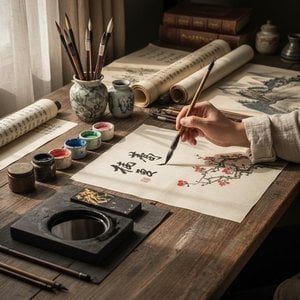
Embark on a sophisticated exploration of ink wash painting and Sumi-e. Uncover the profound historical lineages, Zen philosophies, and technical mastery behind this timeless medium in our authoritative guide for fine art enthusiasts.

Embark on a profound journey through the soul of Chinese calligraphy. Explore the historical mastery of ink, brush, and script, from ancient Zhuanshu to elegant running script, and discover how this timeless art form reflects the enduring spirit of classical East Asian aesthetics.
 미리보기
미리보기
 공유하기
공유하기 공유하기
공유하기
 상세 정보
상세 정보 가이드 보기

 다운로드
다운로드
 유사 작품 더 보기
 X-레이
X-레이 슬라이드 쇼 보기
 질의응답
질의응답
 통계 정보
통계 정보


 더 보기
더 보기









 유리 옵션은 110cm 미만 크기에서만 선택 가능합니다.


