
 Oil On CanvasWallArtNeoclassicism
 1790
1790 75.0 x 67.0 cm
 메트로폴리탄 미술관
빠른 제작과 다양한 마감 옵션을 제공하는 박물관 품질의 지클레이 또는 캔버스 프린트. ( 손으로 그린 그림 구매 디지털 이미지로 전환)





























작품의 원본 비율을 유지하는 미리 설정된 크기 중에서 선택하세요.

특정 프레임이나 공간에 맞춰 직접 치수를 입력하실 수 있습니다. 선택하신 사이즈가 원본 이미지의 비율과 일치하지 않을 경우, 작품을 크롭(자르기)하거나 이미지를 대칭 또는 단색 채우기로 확장하여 제작합니다. 제작 시작 전, 최종 확인을 위해 디지털 목업이 전송됩니다.
화면상의 미리보기는 실제 크롭이나 확장 상태를 반영하지 않으므로, 최종 구도는 오직 목업을 통해서만 정확하게 확인하실 수 있습니다.
맞춤 사이즈 제작도 가능하지만, 원본 비율을 유지하기 위해서는 사전 정의된 목록에서 치수를 선택하시는 것을 권장합니다.

Jonathan Dwight
복제본 크기
The portrait of Jonathan Dwight, painted in 1790 by Joseph Steward, is far more than a simple likeness; it’s a meticulously crafted window into the world of late 18th-century New England. More than just a depiction of an individual, it's a miniature landscape imbued with subtle symbolism and reflecting the burgeoning neoclassical artistic sensibilities of the time. The painting immediately draws the eye to Dwight himself – a man of dignified bearing, his face framed by carefully rendered features and a thoughtful expression. Yet, it’s the background that truly captivates, revealing a remarkably detailed panorama of Springfield, Massachusetts, as it appeared nearly three centuries ago.
Steward's masterful technique is evident in every brushstroke. The artist employs a rococo/neoclassical style, blending the elegance and ornamentation characteristic of the era with a restrained formality. Lines are used with precision to define the facial structure, the folds of Dwight’s clothing, and the architectural elements within the landscape – the church steeple, the houses, and even the trees. The color palette is dominated by shades of green, creating a somewhat somber yet dignified atmosphere, punctuated by warmer tones in the distant buildings. Texture is achieved through layered brushstrokes, lending a remarkable sense of realism to both the sitter and his surroundings. Notice particularly how Steward captures the subtle variations in light and shadow, giving depth and volume to the landscape.
Beyond simply providing a backdrop, the inclusion of Springfield is profoundly significant. Steward’s decision to depict his hometown—a small, burgeoning settlement at the time— speaks volumes about the artist's connection to his roots and his desire to capture the spirit of his community. The painting serves as a visual record, preserving a moment in time for posterity. It’s a testament to the importance placed on local identity and civic pride during this period. The inclusion of recognizable landmarks – the church, the houses— offers a tangible link to the past, inviting viewers to imagine life in Springfield nearly two and a half centuries ago.
Perhaps one of the most striking features of the portrait is the prominent mole on Dwight’s left cheek. This seemingly minor detail is far from accidental; it's a deliberate marker, adding an element of intrigue and perhaps even a touch of eccentricity to the sitter’s appearance. Historical research suggests this unusual feature was a family trait, passed down through generations of the Dwight lineage. It serves as a unique identifier, instantly setting this portrait apart and prompting viewers to consider the individual behind the image. The mole becomes a symbol of both personal identity and familial history, subtly enriching the narrative of the painting.
The Jonathan Dwight portrait by Joseph Steward is more than just a beautiful artwork; it’s a valuable historical document. It offers a rare glimpse into the life and times of a prominent figure in early American society, while simultaneously capturing the essence of a small Massachusetts town. The painting's meticulous detail, skillful technique, and subtle symbolism combine to create a truly captivating work of art—a testament to the enduring power of portraiture to both document and illuminate our past.

In the tapestry of early American history, few figures embody the era's unique blend of spiritual fervor and burgeoning intellectual curiosity as gracefully as Joseph Steward. Born in Upton, Massachusetts, on July 6, 1753, Steward’s life was a profound journey through the realms of faith, music, and visual art. A graduate of Dartmouth College in 1780, his initial path was paved with theological rigor; he was a man destined for the pulpit, trained under the guidance of Reverend Doctor Levi Hart. Yet, as is often the case with the most vibrant souls, the boundaries of his vocation were never strictly confined to the sermon. While his life was marked by the heavy toll of chronic health challenges—including bouts of illness that forced him to seek refuge in Newport, Rhode and later shaped his professional transitions—these very hardships seemed to deepen his observational eye, turning a minister's gaze toward the intricate details of the human countenance and the natural world.
The artistry of Steward was not merely a hobby but a secondary calling that emerged from a life of meticulous observation. Though largely self-taught, he possessed an innate ability to capture the essence of his subjects with a precision that bordered on the scientific. It is whispered in art historical circles that he may have received informal guidance from the renowned Jonathan Trumbull during the latter's residency in Hartford in 1792. This influence, whether direct or atmospheric, contributed to a style that blended the delicate sensibilities of the Rococo with the emerging structural clarity of Neoclassicism. His work often functioned as a bridge between eras, capturing the dignity of the American character through portraits that were both intimate and formal. Whether he was rendering the subtle features of a prominent figure like Jonathan Dwight or documenting the members of the esteemed Denison family, Steward’s brushwork sought a truth that went beyond mere likeness, finding beauty in the authentic, even in the smallest imperfections.
Beyond the canvas, Steward was a pioneer of public engagement and cultural preservation. In 1797, demonstrating an entrepreneurial spirit and a passion for the wonders of the natural world, he established a museum within the attic of the Connecticut State House in Hartford. This was no mere collection of trinkets; it was a curated exhibition of paintings, waxworks, and "natural and artificial curiosities" that offered the public a window into the marvelous. This venture as a museum curator highlights his role as an educator and a bridge-builder between the known and the unknown, much like his musical contributions. Alongside Nathan Strong and Abel Flint, Steward helped compile “The Hartford Selection of Hymns,” a monumental achievement in American musical culture. The collection’s immense popularity, reaching eight editions by 1821, speaks to his ability to harmonize the spiritual needs of his congregation with the aesthetic joys of melody.
As we reflect on the historical significance of Joseph Steward, we see an artist whose impact was felt through multiple sensory experiences—the sight of a perfectly rendered portrait, the sound of a well-composed hymn, and the wonder of a museum exhibit. His life serves as a testament to the following achievements:
Ultimately, Joseph Steward remains a vital figure in the study of American folk and fine art. He was a man who saw no distinction between the beauty of a divine truth and the beauty of a painted line. Through his portraits, his hymns, and his museum, he left behind a sensory record of an era transitioning from colonial tradition to a distinct American identity, ensuring that the faces and voices of his time would never be forgotten.

1753 - 1822 , United States of America
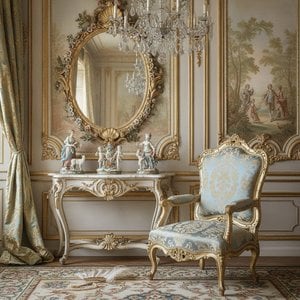
Discover the exquisite allure of Rococo art. Explore a curated guide to 18th-century French masterpieces, from Watteau to Fragonard, and learn how hand-painted oil reproductions can bring timeless elegance and luxury to your sophisticated interior design collection.

Immerse yourself in the splendor of Rococo art. Discover the era of elegance through masterworks by Watteau and Fragonard. Explore themes of romance, aristocratic leisure, and gilded ornamentation in this definitive guide to 18th-century French opulence.

Discover the breathtaking elegance of Rococo portraiture. Explore an expert guide to 18th-century mastery, from pastel palettes to aristocratic grandeur, and learn how to bring this era of opulence into your home through museum-quality oil reproductions.


 미리보기
미리보기
 공유하기
공유하기 공유하기
공유하기
 상세 정보
상세 정보 가이드 보기

 다운로드
다운로드
 유사 작품
유사 작품 X-레이
X-레이 슬라이드 쇼
 통계 정보
통계 정보 더 보기
더 보기









 유리 옵션은 110cm 미만 크기에서만 선택 가능합니다.


