
빠른 제작과 다양한 마감 옵션을 제공하는 박물관 품질의 지클레이 또는 캔버스 프린트. ( 손으로 그린 그림 구매 디지털 이미지로 전환)
작품의 원본 비율을 유지하는 미리 설정된 크기 중에서 선택하세요.

특정 프레임이나 공간에 맞춰 직접 치수를 입력하실 수 있습니다. 선택하신 사이즈가 원본 이미지의 비율과 일치하지 않을 경우, 작품을 크롭(자르기)하거나 이미지를 대칭 또는 단색 채우기로 확장하여 제작합니다. 제작 시작 전, 최종 확인을 위해 디지털 목업이 전송됩니다.
화면상의 미리보기는 실제 크롭이나 확장 상태를 반영하지 않으므로, 최종 구도는 오직 목업을 통해서만 정확하게 확인하실 수 있습니다.
맞춤 사이즈 제작도 가능하지만, 원본 비율을 유지하기 위해서는 사전 정의된 목록에서 치수를 선택하시는 것을 권장합니다.

Woman’s Baeja
복제본 크기
“Woman’s Baeja” is a striking studio photograph showcasing a garment of the same name designed by Johnny Hates Jazz (Choi Ji Hyung). The artwork centers entirely on this vest-like piece, presented against a stark white background. This deliberate simplicity directs all attention to the garment's form, texture, and intricate details. The composition is carefully balanced, with the vest angled slightly to reveal both its front and side aspects. This perspective allows for a comprehensive view of its construction.
The photograph itself exemplifies contemporary fashion photography, elevated by elements of conceptual art due to the garment’s unique design and presentation. Choi Ji Hyung masterfully utilizes studio lighting – even and diffused – to minimize shadows and accentuate the textures inherent in the materials. The technique prioritizes clarity and detail, ensuring every seam, panel, and embellishment is visible. The "Woman's Baeja" itself appears to be constructed from a combination of materials: primarily black leather with contrasting white fabric panels, complemented by silver metal hardware (likely zippers or eyelets for lacing), and vibrant ribbon ties. The garment’s construction likely involved pattern making, precise cutting, meticulous sewing, and potentially some hand-finishing details.
The "Baeja" itself is a traditional Korean vest, and Choi Ji Hyung's design represents a fascinating fusion of heritage and modernity. The garment’s name directly references this tradition. However, the use of edgy materials like black leather and the unconventional construction techniques signal a deliberate departure from classic interpretations. This juxtaposition suggests a commentary on cultural identity in a contemporary context – a blending of old-world influences with modern aesthetics and perhaps even a subtle element of rebellion. The bold color contrast—black, white, and royal blue—further reinforces this sense of confidence and dynamism.
“Woman’s Baeja” evokes a feeling of boldness and sophistication. The starkness of the background amplifies the visual impact of the garment's textures and lines. The interplay between the rough leather, smooth panels, and delicate laces creates a compelling tactile experience for the viewer, even through a photograph. Beyond its aesthetic appeal, the artwork prompts reflection on themes of cultural preservation, innovation in fashion design, and the evolving nature of identity in a globalized world. It is a testament to Choi Ji Hyung’s ability to transform traditional elements into a striking contemporary statement.


1984 - , South Korea
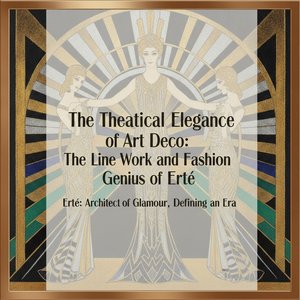
Discover the unparalleled elegance of Art Deco through the lens of Erté. Explore a masterclass in linear precision, theatrical costume design, and high-fashion illustration that continues to define modern luxury and sophisticated interior aesthetics.

Embark on a visual journey through the evolution of fashion photography. Discover how masters like Gianfranco Ferré blended geometry, surrealism, and texture to redefine high-fashion art for collectors and connoisseurs of luxury imagery.
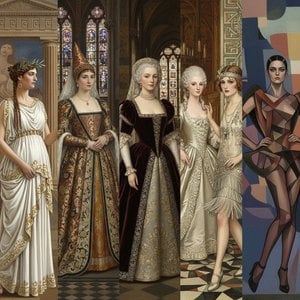
Explore the breathtaking intersection of fine art and high fashion. Discover how iconic masterpieces from Art Deco to Impressionism have shaped the world of luxury couture and timeless design in this curated visual journey.
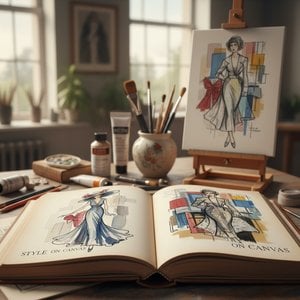
Discover the exquisite world of fashion illustration art. From Art Deco elegance to bespoke oil reproductions, explore how timeless sartorial beauty transforms luxury interiors through masterfully crafted canvas works and curated historical masterpieces.


 공유하기
공유하기 공유하기
공유하기
 상세 정보
상세 정보

 다운로드
다운로드
 유사 작품
유사 작품 슬라이드 쇼
 통계 정보
통계 정보

 더 보기
더 보기






































 유리 옵션은 110cm 미만 크기에서만 선택 가능합니다.


