x


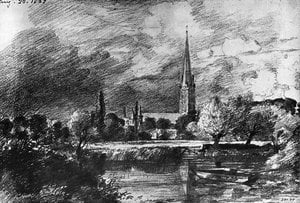
 Historical Realism
 1934
1934 32.0 x 22.0 cm
빠른 제작과 다양한 마감 옵션을 제공하는 박물관 품질의 지클레이 또는 캔버스 프린트. ( 손으로 그린 그림 구매 이미지 구매)
작품의 원본 비율을 유지하는 미리 설정된 크기 중에서 선택하세요.

특정 프레임이나 공간에 맞춰 직접 치수를 입력하실 수 있습니다. 선택하신 사이즈가 원본 이미지의 비율과 일치하지 않을 경우, 작품을 크롭(자르기)하거나 이미지를 대칭 또는 단색 채우기로 확장하여 제작합니다. 제작 시작 전, 최종 확인을 위해 디지털 목업이 전송됩니다.
화면상의 미리보기는 실제 크롭이나 확장 상태를 반영하지 않으므로, 최종 구도는 오직 목업을 통해서만 정확하게 확인하실 수 있습니다.
맞춤 사이즈 제작도 가능하지만, 원본 비율을 유지하기 위해서는 사전 정의된 목록에서 치수를 선택하시는 것을 권장합니다.

Medieval Pageantry
복제본 크기

John Taylor Arms was far more than a mere printmaker; he was an architect of light and shadow, a man who used the needle to resurrect the grandeur of a bygone era. Born in Washington, D.C., on April 19, 1887, his early life was marked by a rigorous intellectual pursuit that would later define the precision of his art. Before he ever touched an etching plate, Arms navigated the demanding corridors of Princeton University, studying law, before pivoting toward the structural complexities of architecture at the Massachusetts Institute of Technology. This foundational training in architectural drafting provided him with a unique ocular discipline, allowing him to perceive the world not just as a collection of shapes, but as a sophisticated interplay of weight, balance, and historical narrative.
The turbulence of the early twentieth century left an indelible mark on his spirit. Serving as an officer in the United States Navy during World War I, Arms experienced a world in flux, yet it was this very period of service that seemed to crystallize his dedication to craftsmanship. Upon returning to civilian life, he turned his focus toward the graphic arts, publishing his first original etchings in 1919. His initial subject matter—the soaring, industrial majesty of the Brooklyn Bridge—demonstrated an early mastery of perspective and tonal gradation, proving that his architectural eye could find beauty in both the ancient and the modern.
As his career matured throughout the 1920s and 30s, Arms’ artistic gaze drifted from the steel spans of New York toward the hallowed, stone-carved sanctuaries of Europe. He became a preeminent interpreter of Gothic architecture, particularly the magnificent cathedrals of France and Italy. While many of his contemporaries were swept up in the fluid, emotive strokes of Impressionism, Arms remained steadfast in his commitment to an almost scientific accuracy. To him, every flying buttress, every intricate finial, and every delicate rose window held a spiritual and historical weight that demanded absolute fidelity.
His technical process was nothing short of legendary among printmaking circles. To achieve the microscopic detail required to render medieval stone carvings, Arms employed unconventional tools, such as sewing needles, to etch hairline precision into his plates. Working under the scrutiny of magnifying glasses, he painstakingly built layers of texture and depth, creating works that felt less like prints and more like windows into the past. This meticulousness allowed him to capture the soul of the architecture; through his lines, one could almost feel the cool dampness of a cathedral nave or the weight of centuries-old masonry.
The significance of John Taylor Arms lies in his ability to bridge the gap between technical documentation and fine art. His oeuvre serves as a vital graphic record of architectural splendor, preserving the intricate details of medieval structures with a clarity that photography of the era could not replicate. His work was celebrated by numerous printmaking societies, and he became a prominent figure in the American graphic arts scene, blending humanist sensibilities with his structural expertise.
Throughout his life, Arms’ contributions to the medium can be summarized by several defining characteristics:
When he passed away in 1953, Arms left behind a legacy etched into the very fabric of American printmaking history. His works, now held in prestigious institutions such as the Smithsonian American Art Museum, continue to inspire awe, reminding us that true beauty is often found in the most minute and meticulously crafted details.

1887 - 1953

Embark on a visual journey through Early Medieval art. Explore the profound beauty of illuminated manuscripts, sacred symbols, and golden light through an expert historical lens, celebrating the enduring legacy of medieval craftsmanship and divine artistry.

Embark on a scholarly journey through the sacred beauty of High Medieval art. Discover the profound symbolism, luminous iconography, and spiritual depth of Gothic masterpieces in this expert guide for classical art enthusiasts.
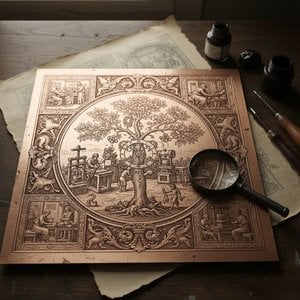
Explore the intricate world of etching and intaglio printmaking. Discover how masters use acid and metal to create profound textures and lines, from Romanticism to modern era, through an expert lens of art history and technical mastery.
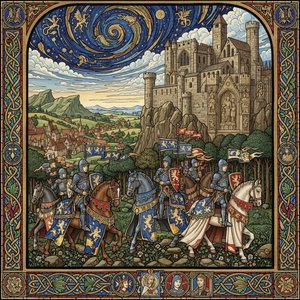
Explore the profound beauty of medieval art through the lens of history. Discover the symbolism of knights, the divine frescoes of Giotto, and how legendary masterpieces continue to inspire modern collectors and lovers of chivalric heritage.


최신 미술 뉴스, 특별 혜택 및 인테리어 아이디어를 가장 먼저 만나보세요.
프로젝트에 대해 알려주시면 저희 미술 전문가들이 맞춤형 아트 제안 3가지를 전달해 드립니다.
당신만을 위한 맞춤형 옵션 3가지를 무료로 추천해 드립니다!


 미리보기
미리보기
 공유하기
공유하기 공유하기
공유하기
 상세 정보
상세 정보

 다운로드
다운로드
 유사 작품
유사 작품 X-레이
X-레이 슬라이드 쇼
 더 보기
더 보기






































 유리 옵션은 110cm 미만 크기에서만 선택 가능합니다.