

빠른 제작과 다양한 마감 옵션을 선택할 수 있는 박물관 수준의 지클레이 및 캔버스 프린트. ( 수작업 채색 복제본 주문하기 디지털 이미지 판매 채널로 전환)





























작품의 원본 비율을 그대로 유지하는 프리셋 사이즈 중에서 선택해 보세요.

특정 프레임이나 공간에 맞춰 직접 치수를 입력하실 수 있습니다. 선택하신 사이즈가 원본 이미지의 비율과 일치하지 않을 경우, 작품을 크롭(자르기)하거나 이미지를 대칭 또는 단색 채우기로 확장하여 제작합니다. 제작 시작 전, 최종 확인을 위해 디지털 목업이 전송됩니다.
화면상의 미리보기는 실제 크롭이나 확장 상태를 반영하지 않으므로, 최종 구도는 오직 목업을 통해서만 정확하게 확인하실 수 있습니다.
맞춤 사이즈 제작도 가능하지만, 원본 비율을 유지하기 위해서는 사전 정의된 목록에서 치수를 선택하시는 것을 권장합니다.

Mrs. Samuel Quincy (Hannah Hill)
복제본 규격
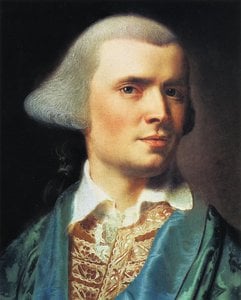
In the quiet, hallowed halls of the Museum of Fine Arts in Boston, there exists a window into a vanished era of American grace. John Singleton Copley’s 1761 masterpiece, Mrs. Samuel Quincy (Hannah Hill), is far more than a mere photographic precursor; it is a profound meditation on status, virtue, and the burgeoning identity of colonial New England. When we gaze upon Hannah Hill, we are not simply looking at a portrait of a wealthy Bostonian, but rather encountering the very embodiment of Enlightenment-era ideals. Copley, with his uncanny ability to bridge the gap between mere likeness and psychological depth, captures a woman who stands as a pillar of her community—a figure of quiet dignity whose serene gaze suggests a soul composed of both piety and worldly influence.
The painting serves as a breathtaking testament to the social fabric of 18th-century America. As the wife of Samuel Quincy, a prominent merchant and landowner, Hannah occupied a position of significant social weight. Copley masterfully utilizes the medium to communicate this standing, weaving together the textures of silk, lace, and flora to create a narrative of prosperity. There is an undeniable emotional resonance in her expression; the subtle blush upon her cheeks and the steady, tranquil look in her eyes evoke a sense of inner composure that was highly prized in the domestic sphere of the time. For the collector or the lover of classical portraiture, this work offers a rare glimpse into the aspirational spirit of a nation on the cusp of transformation.
Technically, the portrait is a triumph of Copley’s early period, showcasing a command over light and texture that would later make him a celebrated figure in London. The artist leans into the Rococo aesthetic, a style characterized by its love for ornamentation, soft curves, and an ethereal sense of beauty. This is most evident in the palette chosen for Mrs. Quincy; a harmonious blend of soft pinks and creamy ivories dominates the canvas, bathing the subject in a light that feels both natural and dreamlike. The way the light catches the delicate folds of her gown and the intricate white lace trim demonstrates Copley’s meticulous attention to detail—a quality that makes a high-quality reproduction of this piece particularly striking for interior decoration.
Beyond the fabric, the composition is enriched by symbolic elements that ground the subject in a sense of natural abundance. The bouquet held in her hand and the subtle presence of greenery in the periphery are not merely decorative; they represent the vitality and flourishing nature of the colonial era. Every brushstroke serves to elevate the subject, turning a portrait of a specific individual into a universal symbol of refinement. For interior designers seeking to introduce a sense of historical weight and sophisticated charm to a room, the soft hues and classical composition of this work provide an unparalleled sense of timelessness and tranquility.
To possess a reproduction of Mrs. Samuel Quincy is to invite a piece of American history into one's personal sanctuary. Copley’s ability to capture the "material world"—the gleam of fine textiles and the softness of skin—ensures that the painting remains visually captivating across centuries. It is a work that demands attention through its subtlety rather than through grand, jarring gestures. The emotional impact lies in its stillness; it provides a focal point of calm and sophistication that can anchor a gallery wall or serve as a conversation piece in a formal study.
As we reflect on the life of John Singleton Copley, we see an artist who was a cultural bridge between the Old World and the New. In this portrait, he successfully translated European stylistic sophistication into an American context, creating something uniquely profound. Whether you are drawn to the historical significance of the Quincy lineage or the sheer aesthetic pleasure of the Rococo-inspired palette, this artwork remains a pinnacle of portraiture, offering endless inspiration to those who appreciate the intersection of art, history, and exquisite craftsmanship.
1738 - 1815 , 영국

Explore the profound beauty of American Regionalism. Delve into the art history of Grant Wood and John Steuart Curry, uncovering how these masters captured the soul of the American Heartland through iconic landscapes and rural identity.

 실제 크기로 보기
 보내기
보내기 공유하기
공유하기
 상세 보기
상세 보기 가이드 보기

 이미지 다운로드
 유사 작품 더 보기
 X-레이
X-레이 슬라이드 쇼 보기
 통계 정보
통계 정보


 상세 보기
상세 보기









 유리 옵션은 110cm 미만 크기에서만 선택 가능합니다.


