
 Oil On CanvasWallArtNeo-Classical Style
 1764
1764 100.0 x 127.0 cm
 아트인스티튜트 오브 시카고
빠른 제작과 다양한 마감 옵션을 제공하는 박물관 품질의 지클레이 또는 캔버스 프린트. ( 손으로 그린 그림 구매 디지털 이미지로 전환)





























작품의 원본 비율을 유지하는 미리 설정된 크기 중에서 선택하세요.

특정 프레임이나 공간에 맞춰 직접 치수를 입력하실 수 있습니다. 선택하신 사이즈가 원본 이미지의 비율과 일치하지 않을 경우, 작품을 크롭(자르기)하거나 이미지를 대칭 또는 단색 채우기로 확장하여 제작합니다. 제작 시작 전, 최종 확인을 위해 디지털 목업이 전송됩니다.
화면상의 미리보기는 실제 크롭이나 확장 상태를 반영하지 않으므로, 최종 구도는 오직 목업을 통해서만 정확하게 확인하실 수 있습니다.
맞춤 사이즈 제작도 가능하지만, 원본 비율을 유지하기 위해서는 사전 정의된 목록에서 치수를 선택하시는 것을 권장합니다.

Mrs.Daniel Hubbard (Mary Greene)
복제본 크기
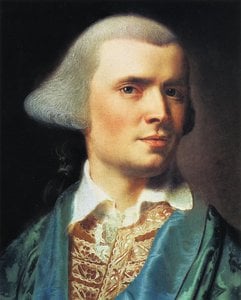
John Singleton Copley's "Mrs. Daniel Hubbard (Mary Greene)," painted in 1764, isn’t merely a likeness; it’s a carefully constructed tableau of wealth, status, and the burgeoning social consciousness of colonial America. This oil on canvas, currently residing within the hallowed halls of the Art Institute of Chicago, offers a rare glimpse into the domestic life of a prominent Boston family – specifically, Mary Greene Hubbard, a woman defined by her grace and quiet authority. Copley’s masterful handling of light and shadow, combined with his acute observation of human expression, elevates this portrait beyond simple representation, transforming it into a compelling study of character.
Copley's work firmly establishes itself within the Neo-Classical movement, a style deeply influenced by the ideals of ancient Greece and Rome. This is evident in the painting’s rigorously structured composition – the balanced arrangement of figures, the carefully considered use of space, and the emphasis on clear lines and forms. The palette is restrained yet sophisticated, dominated by muted tones of brown, grey, and cream, allowing Mary Greene's delicate complexion and the rich textures of her gown to take center stage. Copley’s technique showcases a remarkable ability to capture the subtle nuances of light reflecting off fabrics, creating an illusion of depth and volume that is characteristic of his best work. The use of loose brushstrokes, particularly in the rendering of drapery, adds a touch of dynamism and movement to what might otherwise have been a static portrait.
“Mrs. Daniel Hubbard” provides invaluable insight into the social fabric of 18th-century Boston. Mary Greene’s attire – a fashionable gown with a ruffled collar, indicative of her wealth and status – speaks volumes about the importance of appearances within this society. The inclusion of the book or sheet music suggests an educated and cultured woman, reflecting the growing emphasis on learning and refinement during the Enlightenment. The presence of the two figures in the background, partially obscured yet undeniably present, hints at a life beyond the domestic sphere, perhaps representing her husband’s business dealings or social connections. The very act of sitting, posed with such composure, embodies the ideals of female virtue and domesticity prevalent at the time – qualities highly valued within the upper echelons of colonial society.
Despite its formal presentation, “Mrs. Daniel Hubbard” possesses a remarkable emotional depth. Mary Greene’s gaze is direct and intelligent, conveying a sense of self-assuredness and quiet dignity. Her posture exudes composure, suggesting an inner strength that transcends mere social grace. Copley doesn't simply paint a face; he captures the essence of a woman – her intelligence, her poise, and perhaps even a hint of melancholy. This subtle emotionality is what elevates the portrait beyond a simple likeness, transforming it into a timeless representation of female character within a specific historical context. It’s a piece that invites contemplation, prompting us to consider not just *who* Mary Greene Hubbard was, but *what* she represented – a symbol of refinement, virtue, and the complexities of colonial life.
WahooArt offers exquisite, hand-painted reproductions of “Mrs. Daniel Hubbard (Mary Greene)” that faithfully capture Copley’s artistry and historical significance. Bring this captivating portrait into your home or office and experience the enduring beauty of a masterpiece from the Age of Enlightenment.

1738 - 1815 , 영국

Discover the profound beauty of Academic Classicism. Explore the principles of order, anatomical precision, and the enduring legacy of Neoclassical masters through this expert guide to timeless elegance and technical perfection in fine art.


 미리보기
미리보기
 공유하기
공유하기 공유하기
공유하기
 상세 정보
상세 정보

 다운로드
다운로드
 유사 작품
유사 작품 X-레이
X-레이 슬라이드 쇼
 통계 정보
통계 정보 더 보기
더 보기









 유리 옵션은 110cm 미만 크기에서만 선택 가능합니다.


