
 Oil On CanvasWallArtNeo-Classicism
 1758
1758 121.0 x 146.0 cm
 보스턴 미술관
원하는 크기와 액자로 주문 제작되는, 작가들이 직접 캔버스에 손으로 그린 유화 작품입니다. ( 프린트 판매로 전환 디지털 이미지로 전환)





























작품의 원본 비율을 유지하는 미리 설정된 크기 중에서 선택하세요.

특정 프레임이나 공간에 맞도록 직접 크기를 입력할 수 있습니다. 선택하신 크기가 원본 이미지의 비율과 일치하지 않는 경우, 작품을 자르거나 추가적인 손으로 그린 요소를 사용하여 그림을 확장합니다. 제작 시작 전 승인을 위해 디지털 목업을 보내드립니다.
화면 미리 보기는 실제 자르기 또는 확장을 반영하지 않습니다. 최종 구성은 목업을 통해서만 정확하게 확인하실 수 있습니다.
맞춤 크기 제작도 가능하지만, 원본 비율을 유지하기 위해 사전 정의된 목록에서 크기를 선택하시는 것을 권장합니다.

Mary and Elizabeth Royall
복제본 크기
John Singleton Copley's "Mary and Elizabeth Royall," painted in 1758, is more than just a portrait; it’s a meticulously crafted window into the world of colonial Boston society. Housed within the hallowed halls of the Museum of Fine Arts in Boston, this work transcends its physical dimensions to offer a profound glimpse into the lives and aspirations of two young women from a prominent family – the Royalls. Copley, a pivotal figure bridging the artistic traditions of England and America, masterfully employed the tenets of Neoclassicism, imbuing the scene with an air of dignified composure and subtle elegance.
The painting immediately draws the eye to the two figures seated on a plush couch. Their postures are remarkably poised, reflecting the societal expectations placed upon young women of their standing. Mary, dressed in a striking blue gown, holds her hand gently over Elizabeth’s shoulder – a gesture suggesting both affection and a subtle assertion of authority, characteristic of the era's social dynamics. Elizabeth, adorned in a creamy yellow dress, returns the gaze with an equally composed expression. The careful attention to detail—the intricate folds of their fabrics, the delicate rendering of their hands, and the subtle play of light on their skin—demonstrates Copley’s unparalleled skill as a portraitist. He wasn't merely capturing likenesses; he was conveying character, social standing, and an underlying sense of quiet confidence.
Copley’s masterful execution is rooted firmly in the principles of Neoclassicism. This artistic movement, which flourished during the mid-18th century, drew inspiration from the art and architecture of ancient Greece and Rome, emphasizing order, balance, and clarity. In “Mary and Elizabeth Royall,” this manifests in the carefully structured composition—the symmetrical arrangement of the figures, the restrained color palette dominated by cool blues and yellows, and the smooth, polished surfaces of the paint. The use of oil on canvas allowed Copley to achieve a remarkable level of detail and luminosity, capturing the textures of the fabrics and the subtle nuances of light and shadow.
Notably, Copley’s technique reveals an innovative approach to portraiture. He employed a method known as “dead-dark underdrawing,” where he first created a detailed charcoal sketch beneath the layers of paint. This allowed him to build up the image gradually, ensuring accuracy and precision in the rendering of the figures' features and clothing. The subtle gradations of tone—the delicate shading around the eyes and mouth, the soft highlights on the skin—contribute significantly to the painting’s overall sense of realism and depth.
Understanding “Mary and Elizabeth Royall” requires considering its historical context. The Royalls were one of the wealthiest families in colonial Massachusetts, their fortunes built on trade—particularly the lucrative sugar trade—and, tragically, through the ownership of enslaved people. Isaac Royall Sr., the patriarch, had amassed a considerable fortune in Antigua, where he engaged in both trade and slave ownership. The painting reflects this status, showcasing the family’s wealth and social standing through their elegant attire and luxurious surroundings. The inclusion of the bird, perched near the bottom right corner, is often interpreted as a symbol of hope or prosperity – a common motif in portraiture during that period.
Furthermore, the painting offers a glimpse into the societal expectations placed upon young women in colonial America. The emphasis on decorum and propriety—evident in their composed postures and restrained expressions—reflects the values of the time. The subtle gesture of Mary’s hand over Elizabeth's shoulder suggests a carefully orchestrated social dynamic, highlighting the importance of familial bonds and social graces.
“Mary and Elizabeth Royall” remains a testament to John Singleton Copley’s artistic genius. Today, reproductions of this iconic painting are available through WahooArt.com, offering art enthusiasts the opportunity to bring this masterpiece into their homes. Its enduring appeal lies not only in its technical brilliance but also in its ability to transport viewers back to a pivotal moment in American history—a time of burgeoning wealth, social change, and artistic innovation. The painting’s quiet dignity and subtle elegance continue to inspire admiration and offer a profound reflection on the complexities of colonial society.


1738 - 1815 , 영국

Explore the profound iconography of authority through iconic military portraits. Discover how master painters captured command, regalia, and historical prestige in classical oil paintings, perfect for discerning collectors seeking timeless elegance.

Discover the profound beauty of Academic Classicism. Explore the principles of order, anatomical precision, and the enduring legacy of Neoclassical masters through this expert guide to timeless elegance and technical perfection in fine art.

Explore the refined world of Neoclassical portraiture. Discover the mastery of line, light, and order through an expert exploration of academic art history, from Jacques-Louis David to Jean-Antoine Houdon. Immerse yourself in the timeless elegance of classical realism.
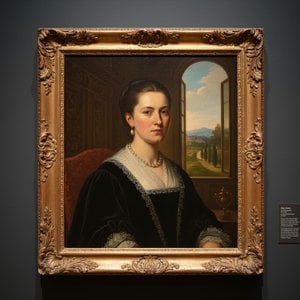
Explore the profound legacy of classical portraiture. From the dramatic chiaroscuro of the Old Masters to exquisite hand-painted oil reproductions, discover how timeless elegance and masterful technique continue to inspire collectors and art enthusiasts worldwide.


 미리보기
미리보기
 공유하기
공유하기 공유하기
공유하기
 상세 정보
상세 정보 Guide
Guide

 다운로드
다운로드
 유사 작품
유사 작품 X-레이
X-레이 슬라이드 쇼
 통계 정보
통계 정보 더 보기
더 보기









 유리 옵션은 110cm 미만 크기에서만 선택 가능합니다.


