


빠른 제작과 다양한 마감 옵션을 제공하는 박물관 수준의 지클레이 및 캔버스 프린트. ( 수작업 채색 복제본 주문하기 디지털 이미지로 전환)
작품의 원본 비율을 그대로 유지하는 프리셋 사이즈 중에서 선택해 보세요.

액자나 벽면 크기에 맞춰 필요한 가로와 세로 길이를 입력해 주세요. 프린트는 원본 이미지보다 크게 제작할 수 없으며 오직 자르는 것만 가능하므로, 비율이 다른 사이즈를 선택할 경우 이미지의 일부가 잘려 나갈 수 있습니다. 인쇄 작업에 들어가기 전, 최종 확인을 위해 디지털 목업을 보내드립니다. 이 페이지에 표시된 이미지는 실제 잘리는 영역을 나타내지 않으며, 오직 목업을 통해서만 정확한 확인이 가능합니다.
John Bours
복제본 크기
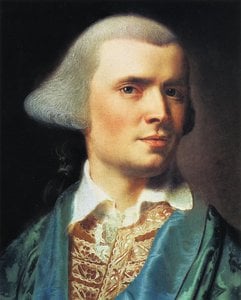
The painting John Bours is a masterpiece created by the renowned Anglo-American artist John Singleton Copley in 1763. This stunning oil on canvas piece measures 65 x 76 cm and is currently displayed at the Worcester Art Museum in Worcester, United States.
Copley's use of Neo-Classicism is evident in the painting's composition, color palette, and attention to detail. The subject, John Bours, is depicted sitting on a chair, lost in thought with his hands placed on his face. The suit he wears adds an element of formality to the scene, showcasing Copley's ability to capture the essence of his subjects.
The painting demonstrates a mastery of light and shadow, creating depth and emphasizing Bours’ contemplative mood. Copley utilizes a limited color palette – primarily browns, creams, and muted reds – which contributes to the overall sense of dignity and restraint characteristic of Neo-Classical art. The background is deliberately understated, drawing focus entirely on the figure. Brushstrokes are visible yet refined, suggesting both skill and an intentional departure from overly smooth surfaces.
John Bours was a prominent merchant in Newport, Rhode Island, involved in extensive trade with Europe and the West Indies. The portrait is not merely a likeness; it’s a window into his character and social standing. His attire – a brown velvet suit—indicates wealth and status within colonial society.
The pose itself is laden with symbolism. Bours' hand resting on his forehead suggests deep thought or introspection, hinting at the burdens and complexities of managing a thriving mercantile business. The open book in his hand alludes to intellectual pursuits and perhaps a desire for knowledge beyond the realm of commerce. Recent research has revealed that Bours owned enslaved people, adding a layer of complexity to the portrait’s interpretation within the context of colonial America.
This painting emerged during a period of significant change in American history – the years leading up to the Revolutionary War. Portraiture was highly valued by wealthy colonists as a means of documenting their status, lineage, and achievements. Copley’s work reflects this trend while also demonstrating an evolving artistic sensibility.
Copley's portraits are considered pivotal in establishing a distinct American style of portraiture, moving away from purely European influences towards a more direct representation of colonial life and identity. His ability to capture the psychological depth of his subjects set him apart from many of his contemporaries.
“John Bours” evokes a sense of quiet dignity, intellectual curiosity, and perhaps even melancholy. The painting’s enduring appeal lies in its ability to connect with viewers across centuries, prompting reflection on themes of ambition, responsibility, and the complexities of human experience.
For those interested in owning a piece of history, WahooArt offers handmade oil painting reproductions of Copley's works, including John Bours. Visit WahooArt to explore and purchase your own reproduction of this captivating painting.
1763년에 제작된 "John Bours"은(는) 존 싱글턴 코플리의 Early Period 시기에 해당합니다.
Neo-Classicism 사조 안에서, "John Bours"은(는) Reflective한 어조로 기록되어 있습니다.
"John Bours"의 색채 강도는 Monochromatic입니다. 강도는 색상이 얼마나 선명하게 느껴지는지를 나타냅니다.

1738년, 존 싱글턴 코플리는 식민지 보스턴의 역동적인 상업적 활기 속에서 태어났습니다. 그의 유년 시절은 롱 워프(Long Wharf)의 해양 무역 환경에 깊이 뿌리내리고 있었는데, 그의 어머니 메리 싱글턴 코플리는 그곳에서 가게를 운영했고, 아버지 리처드 코플리는 담배 상인으로 활동했습니다. 이러한 환경은 단순한 사회적 배경 그 이상의 의미를 지녔습니다. 그것은 훗날 그의 시각적 언어를 정의하게 될 물질적 질감과 사회적 계층 구조를 직접적으로 관찰할 수 있는 통로가 되었습니다. 비록 예술가 가문에서 태어난 것은 아니었으나, 상인 계층과 밀접하게 맞닿아 있던 환경 덕분에 그는 자신이 훗날 화폭에 담게 될 사물들의 가치를 누구보다 깊이 이해할 수 있었습니다.
그가 예술이라는 세계에 처음 발을 들인 것은 판화가이자 화가였던 계부 피터 펠럼을 통해서였습니다. 펠럼이 초기 기술적 토대를 마련해 주었지만, 코플리의 진정한 예술적 성장은 고독하고도 끊임없는 자기 연마의 산물이었습니다. 그는 전통적인 유럽 아카데미 시스템을 따르는 대신, 스스로 엄격한 교육 과정을 설정하며 독학에 가까운 길을 걸었습니다. 그는 빛과 형태의 원리를 완벽히 터득하기 위해 수년 동안 판화를 세밀하게 복사하는 작업에 매진했습니다. 이러한 절제되고 자발적인 훈련 방식은 그가 지역적 한계를 뛰어넘어, 식민지의 이전 화가들에게서는 찾아볼 수 없었던 정교한 기술적 정밀함을 갖추게 한 원동력이 되었습니다.
1760년대에 이르러 존 싱글턴 코플리는 이미 보스턴 최고의 초상화가로서 확고한 위치를 다져놓은 상태였습니다. 그는 단순히 사람의 얼굴을 그리는 것에 그치지 않고, 식민지 엘리트 계층의 사회적 정체성을 창조해내는 예술가였습니다. 물질적 부를 시각적 권위로 치환해내는 그의 탁월한 능력은 도시의 가장 영향력 있는 인물들이 그를 가장 먼저 찾는 이유가 되었습니다. 그는 초상화가 사회적 지위를 투영하는 강력한 도구임을 깊이 이해하고 있었으며, 질감의 묘사와 특정 사물들을 활용해 피사체가 사회적 위계질서 속에서 차지하는 위치를 정교하게 암시했습니다.
그의 기술적 정밀함은 단순한 외형적 닮은꼴을 넘어선 예술적 경지를 보여주었습니다. 1771년 작인 Mrs. Ezekiel Gondthwait (Elizabeth Lewis)에서 보여주는 호화로운 직물의 묘사와 우아한 자세는 특정한 사회적 품격을 고스란히 전달합니다. 이는 결코 우연의 산물이 아니었습니다. 존 싱글턴 코플리는 은제품의 은은한 광택부터 소매의 부드러운 주름에 이르기까지, 모든 세부 요소를 동원하여 관찰자가 피사체를 인식하는 방식을 치밀하게 조율했습니다. 그는 초상화를 위해 모델이 앉아 있는 행위 자체를 부와 권력을 보여주는 하나의 계산된 퍼포먼스로 승화시켰습니다.
그의 폭넓은 고객층은 변화하는 식민지 지도층의 지형도를 여실히 반영합니다. 그는 1768년경 Paul Revere의 모습을 포착했으며, 1772년에는 Samuel Adams를 화폭에 담았습니다. 이 작품들은 단순한 주문 제작물을 넘어, 식민지의 정치적 미래를 설계하던 인물들을 기록한 시각적 사료였습니다. 그의 예술은 격동하는 사회를 위한 시각적 언어를 제공하며, 머지않아 새로운 정치 질서를 정의하게 될 인물들을 역사 속에 영원히 각인시켰습니다.
존 싱글턴 코플리의 미학은 로코코 양식의 우아함과 계몽주의적 지성주의가 정교하게 맞물려 탄생한 결과물입니다. 그는 단순히 이전 세대 화가들의 장식적인 화려함을 답습하는 데 그치지 않고, 엄격한 신고전주의적 시각을 통해 이를 절제하며 자신만의 색채를 입혔습니다. 질서와 명료함, 그리고 도덕적 미덕을 우선시했던 그의 접근 방식은 당시 식민지 사회의 정서와 깊은 공명을 이루었습니다. 또한, 모든 구도를 해부학적 정확성과 심리적 깊이에 기반하여 구축함으로써, 순수하게 장식적인 화풍에서 흔히 나타나는 피상성을 극복했습니다. 그는 단순히 겉모습을 닮게 그리는 것에 만족하지 않았습니다. 대신 피사체의 자세와 표정을 통해 내면의 성품을 드러냄으로써, 단순한 초상화를 인간의 정체성에 대한 정밀한 탐구로 승화시켰습니다.
그의 회화적 기법은 반투명한 글레이즈(glaze)를 정교하게 겹쳐 쌓는 층상 기법에 그 뿌리를 두고 있습니다. 이러한 방식은 신속한 붓질과 결합하여 질감과 빛의 표현에서 극도로 높은 사실주의를 구현해냈습니다. 그는 직물의 묵직한 무게감, 금속의 차가운 광택, 그리고 피부의 미묘한 명암 변화와 같은 물질 세계를 마치 눈앞에 있는 듯한 생생한 정밀함으로 묘사하는 탁월한 능력을 지니고 있었습니다. 이러한 기술적 숙련도는 그의 작품 속 인물들이 평면적인 재현을 넘어, 마치 실재하는 물리적 존재처럼 느껴지게 만들었습니다. 빛과 그림자의 상호작용을 완벽하게 통제함으로써, 그는 만질 수 있을 듯한 입체감과 영속성을 지닌 형상을 조각하듯 그려냈습니다.
존 싱글턴 코플리의 유럽 이주는 구세계의 확립된 예술 중심지에서 입지를 다지기 위한 치밀하고도 계산된 도전이었습니다. 그가 정든 땅을 떠나기 훨씬 전부터 그의 천재성은 이미 런던에서 그 빛을 발하고 있었습니다. 1766년 9월 3일, 그는 영국 예술가 협회(Society of Artists of Great Britain)의 회원으로 선출되며 예술적 역량을 인정받았습니다. 이러한 명성은 그가 마침내 새로운 세계로 나아갈 수 있는 결정적인 동력이 되었습니다. 1774년, 그는 아내 수잔나 파른스워스 클라크와 자녀들을 데리고 13개 식민지를 뒤로한 채 긴 여정을 떠났습니다. 같은 해 런던에 정착한 그는 이후 다시는 미국 땅을 밟지 않았습니다.
유럽에서의 삶은 고전적 훈련을 향한 그의 의도적이고도 열정적인 탐구로 점철되었습니다. 1774년 여름, 그는 로마에서 수학하며 구도에 대한 통찰력과 역사적 서사를 다루는 능력을 연마하는 데 몰두했습니다. 이 시기의 연구는 단순한 예술적 유람이 아니라, 그의 예술적 궤적을 근본적으로 뒤바꾼 중대한 전환점이었습니다. 런던이라는 거대한 무대에 자신을 던짐으로써, 그는 식민지의 초상화가라는 틀을 벗어나 역사적 무게감을 지닌 화가로 거듭나고자 했습니다. 그는 영국의 예술적 기준이라는 거친 파도 속에서 자신의 기술적 한계를 시험하며, 진정한 거장으로 나아가기 위한 고독하고도 치열한 여정을 이어갔습니다.
코플리의 작품 세계는 식민지 사회에서 자신의 입지를 다져준 사회적 초상화로부터, 예술적 성취의 정점이라 불리는 역사 화풍이라는 거대한 무대로 나아가는 치밀한 변화의 과정을 보여줍니다. 고전적 주제에 대한 그의 초기 탐구는 1754년경 그려진 넵튠의 귀환(The Return of Neptune)에서 극명하게 드러납니다. 이 작품은 옛 거장들의 구도를 활용함으로써 보스턴 엘리트층의 단순한 외양 묘사를 넘어선 예술적 도약을 시도했음을 보여줍니다. 심지어 1776년의 코플리 가족(The Copley Family)과 같은 지극히 개인적인 묘사에서조차, 세심하게 연출된 배경과 소품을 통해 특정한 사회적 정체성을 캔버스 위에 구축하려는 명확한 의도가 엿보입니다.
유럽으로의 이주는 역사적 서사를 향한 더욱 공격적인 추구로 이어졌습니다. 그는 당대 가장 권위 있는 장르를 정복하고자 했으며, 종종 강렬한 드라마나 정치적 무게감을 지닌 장면들을 선택했습니다. 1778년경 제작된 왓슨과 상어(Watson and the Shark)는 극적인 긴장감을 향한 그의 열망을 여실히 보여주는 작품입니다. 이러한 맥락에서 그의 가장 야심 찬 도전은 저지 전투의 혼돈을 포착하려 했던 피어슨 소령의 죽음(The Death of Major Peirson)이었습니다. 비록 일부 비평가들이 구도에 대해 의문을 제기하기도 했으나, 이 회화는 현대의 갈등을 역사 예술이라는 웅장한 규모로 번역해내려 했던 중대한 시도로 평가받습니다.
런던에서의 후기 경력 동안 그는 1779년의 하원에서의 채텀 백작의 쓰러짐(The Colapse of the Earl of Chatham in the House of Lords)과 같이 복잡한 정치적 장면들을 다루었습니다. 이 작품은 전장의 혼란을 벗어나 영국 통치 체제의 구조적이고 긴장감 넘치는 환경으로 시선을 돌린 결과물입니다. 이처럼 다채로운 주제를 통해, 존 싱글턴 코플리는 식민지에서 훈련받은 화가라 할지라도 유럽 역사 전통의 묵직하고 극적인 요구 사항들을 완벽히 숙달할 수 있음을 증명해 보였습니다.
런던에서의 삶을 마무리하던 존 싱글턴 코플리의 마지막 장은 한때 그가 누렸던 찬란한 예술적 기세가 점차 잦아드는 과정이었습니다. 화려한 전성기를 구가했던 초기 시절과 달리, 그의 말년은 그리 순탄치 않았습니다. 경제적 불안정은 그의 마지막 여정을 그림자처럼 따라다녔고, 결국 그는 막대한 부채를 남긴 채 생을 마감했습니다. 이러한 재정적 고난은, 과거 그의 초상화들이 뉴잉글랜드 엘리트 계층의 사회적 지위를 공고히 해주는 도구로서 빛을 발했던 화려한 시절과 극명한 대조를 이룹니다.
존 싱글턴 코플리는 1815년 런던에서 세상을 떠났습니다. 그의 유해는 서리주 크로이던에 있는 크로이던 민스터에 안치되었습니다. 비록 그의 예술적 여정은 경제적 압박 속에서 쓸쓸히 막을 내렸으나, 그가 보여준 탁월한 기술적 정밀함은 18세기 초상화와 역사적 구도를 연구하는 이들에게 있어 여전히 변치 않는 이정표로 남아 있습니다.
1738 - 1815 , 미국

Explore 25 iconic Modigliani masterpieces and their soulful stories. Discover the full collection online at WahooArt.com.

Explore the psychological depth of classical portraiture through masters like Rembrandt and Vermeer. Discover the power of the gaze today.

Immerse yourself in the soulful landscapes of John Constable. Explore our curated list of 25 iconic masterpieces, from atmospheric skies to the beauty of Dedham Vale. Find inspiration for museum-quality art reproductions and decor. Discover all masterpieces on WahooArt.com.
 미리보기
미리보기
 공유하기
공유하기 공유하기
공유하기
 상세 정보
상세 정보 가이드 보기

 다운로드
다운로드
 유사 작품 더 보기
 X-레이
X-레이 슬라이드 쇼 보기
 질의응답
질의응답
 통계 정보
통계 정보


 더 보기
더 보기






































 유리 옵션은 110cm 미만 크기에서만 선택 가능합니다.


