
 Oil On CanvasWallArtNeoclassicism
 1769
1769 101.0 x 127.0 cm
 예일 영국 미술관
작가가 직접 캔버스에 손으로 그린 유화 작품으로, 원하는 크기와 액자로 맞춤 제작해 드립니다. ( 프린트 판매로 전환 디지털 이미지 판매 채널로 전환)





























작품의 원본 비율을 그대로 유지하는 프리셋 사이즈 중에서 선택해 보세요.

Type the width and the height you need, to fit your frame or your wall. This is hand-painted, so for a size with a different shape the artist can paint a bit more around the picture, or cut a bit — you choose. We send you a digital mockup to approve before the painting starts. The picture shown on this page does not show the real result — only the mockup does.
Isaac Smith
복제본 규격
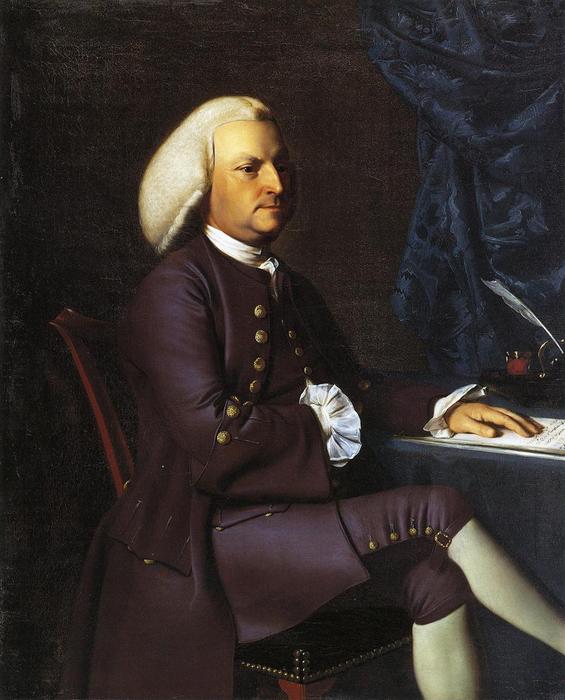
John Singleton Copley’s “Isaac Smith,” painted in 1769, isn't merely a likeness; it’s a carefully constructed window into the burgeoning world of colonial Boston and the aspirations of its wealthy elite. This portrait, now residing within the hallowed halls of the Yale University Art Gallery, exemplifies Copley’s mastery of capturing not just physical appearance but also the subtle nuances of character and social standing – a hallmark of his most celebrated works. The painting immediately draws the eye to Mr. Smith, seated with an air of quiet contemplation, his posture radiating both dignity and a hint of reserved intelligence. He is rendered in rich, dark attire, accented by the crisp white of his ruffled shirt and powdered wig, indicative of the fashionable standards of the era. Copley’s meticulous attention to detail—the texture of the velvet, the sheen of the buttons, the delicate folds of the fabric—demonstrates a profound understanding of materials and their visual impact, reflecting the artist's commitment to realism.
Copley’s style during this period was deeply rooted in Neoclassicism, an artistic movement that sought inspiration from the art and ideals of ancient Greece and Rome. This influence is evident in the portrait’s balanced composition, its emphasis on clear lines and precise forms, and its restrained palette. However, Copley wasn't simply replicating classical models; he infused his work with a distinctly American sensibility, capturing the spirit of a society undergoing rapid transformation. The painting speaks to the growing confidence and prosperity of colonial Boston, a city rapidly becoming a center of trade and finance. The background, deliberately muted and suggestive rather than detailed, directs focus entirely onto Smith, reinforcing his importance within the scene.
“Isaac Smith” offers a fascinating glimpse into the social dynamics of 18th-century Boston. The portrait’s commission itself speaks volumes about the values and priorities of its patron – a wealthy merchant seeking to solidify his position within the community through visual representation. The inclusion of the book on the table subtly hints at Mr. Smith's intellectual pursuits, suggesting an engagement with learning and culture that was increasingly valued during this period. The painting wasn’t just about vanity; it served as a powerful tool for social signaling – a declaration of wealth, status, and refined taste.
Furthermore, the portrait reflects the growing importance of portraiture in colonial America. As the colonies developed their own artistic traditions, portrait painting became increasingly popular among the wealthy elite, providing a means to commemorate themselves and their families. Copley’s portraits were highly sought after, not only for their technical skill but also for their ability to capture the essence of their subjects – their personalities, aspirations, and social standing. The meticulous rendering of Smith's features—his thoughtful gaze, his slightly furrowed brow—suggests a man of considerable intellect and quiet strength.
Copley’s technique in “Isaac Smith” is characterized by an extraordinary level of detail and precision. He employed the sfumato technique, subtly blending colors to create soft transitions and a sense of atmospheric depth. This approach is particularly evident in the rendering of Smith's clothing, where Copley masterfully captures the textures and folds of the fabric with remarkable accuracy. The artist’s use of light and shadow further enhances the portrait’s realism, creating a three-dimensional effect that draws the viewer into the scene.
The painting is executed in oil on canvas, a medium favored by Copley for its ability to capture subtle nuances of color and texture. He utilized a layering technique, applying thin glazes of paint over previous layers to build up depth and richness. This meticulous approach required considerable skill and patience, reflecting Copley’s dedication to his craft. The brushstrokes are remarkably controlled, contributing to the overall sense of composure and refinement that permeates the portrait.
“Isaac Smith” remains a compelling testament to John Singleton Copley's artistic genius and a valuable window into colonial American society. Its enduring appeal lies not only in its technical brilliance but also in its ability to evoke a sense of timeless elegance and quiet dignity. Today, reproductions of this iconic portrait continue to captivate art enthusiasts worldwide, offering a glimpse into the world of 18th-century Boston and the remarkable talent of one of America’s most celebrated artists. Consider acquiring a high-quality reproduction – a tangible connection to a pivotal moment in American artistic history.
Isaac Smith의 원작은 예일 영국 미술관, 뉴 헤이븐, 미국에서 관람하실 수 있습니다.
존 싱글턴 코플리의 "Isaac Smith"과(와) 유사한 작품들은 해당 작품의 유사한 작품 페이지에서 확인하실 수 있습니다.
1769년에 제작된 "Isaac Smith"은(는) 존 싱글턴 코플리의 Mature Period에 해당합니다.

1738 - 1815 , 영국

Explore the profound beauty of American art history. From the Hudson River School to iconic landscapes, discover a curated journey through the masterpieces that defined a nation's spirit and the enduring legacy of American Romanticism.

Explore the profound beauty of American Regionalism. Delve into the art history of Grant Wood and John Steuart Curry, uncovering how these masters captured the soul of the American Heartland through iconic landscapes and rural identity.

Discover the profound allure of oil on canvas. Explore the mastery of impasto textures, the science of pigment longevity, and expert guides to selecting museum-quality reproductions that elevate your collection with timeless elegance and tactile depth.

 실제 크기로 보기
 보내기
보내기 공유하기
공유하기
 상세 보기
상세 보기 가이드 보기

 이미지 다운로드
 유사 작품 더 보기
 X-레이
X-레이 슬라이드 쇼 보기
 통계 정보
통계 정보 상세 보기
상세 보기









 유리 옵션은 110cm 미만 크기에서만 선택 가능합니다.


