

 Oil On CanvasWallArtNeo-Classicism
 1772Early Modern
 101.0 x 126.0 cm
 국립 미술관 (National Gallery of Art)
작가가 직접 캔버스에 손으로 그린 유화 작품으로, 원하는 크기와 액자로 맞춤 제작해 드립니다. ( 프린트 판매로 전환 디지털 이미지 판매 채널로 전환)
작품의 원본 비율을 그대로 유지하는 프리셋 사이즈 중에서 선택해 보세요.

특정 프레임이나 공간에 맞춰 원하는 크기를 직접 입력하실 수 있습니다. 선택하신 크기가 원본 이미지의 비율과 일치하지 않을 경우, 작품을 자르거나 추가적인 수작업 요소를 더해 그림을 확장하여 제작합니다. 제작 시작 전, 최종 확인을 위해 디지털 목업을 보내드립니다.
화면상의 미리 보기는 실제 크롭(자르기)이나 확장된 상태를 완벽히 반영하지 않을 수 있습니다. 최종 구도는 오직 목업을 통해서만 정확하게 확인하실 수 있습니다.
맞춤 크기 제작도 가능하지만, 원본의 비율을 그대로 유지하기 위해서는 미리 정의된 목록에서 크기를 선택하시는 것을 권장합니다.
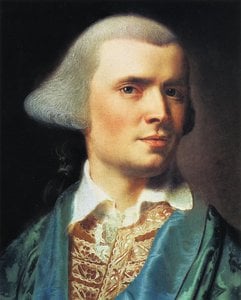
Eleazer Tyng
복제본 규격
The portrait of Eleazer Tyng, painted by John Singleton Copley in 1772, stands as a significant example of American Neoclassical portraiture. Housed within the National Gallery of Art, this artwork offers a glimpse into the life and status of a prominent figure during colonial times. The painting’s meticulous detail and realistic rendering capture not only Tyng's likeness but also convey a sense of wisdom and dignified composure.
John Singleton Copley was a pioneering Anglo-American painter renowned for his exceptional skill in capturing the likenesses of wealthy and influential figures in colonial New England. He was largely self-taught, demonstrating an innate talent and dedication to his craft. His work is characterized by attention to detail, realism, and a deep understanding of his subjects. Copley's artistic contributions extended beyond portraiture; he also explored landscapes and innovative depictions of modern life.
The painting exemplifies the principles of Neoclassicism, an art movement that emphasized order, simplicity, and classical ideals. Copley’s technique involved meticulous observation and skillful execution using oil paints on canvas. The portrait measures 101 x 126 cm. Noticeable are the dramatic lighting effects creating strong contrasts between light and shadow, which emphasize wrinkles and texture on Tyng's face and clothing. This attention to detail contributes to a sense of realism while maintaining an air of formality characteristic of Neoclassical portraits.
Eleazer Tyng (1724-1809) was a prominent figure in colonial Massachusetts, serving as a judge and holding various important positions within the community. The portrait reflects his status and influence during a period of significant change leading up to the American Revolution. The painting provides valuable insight into the attire and social customs of the elite class in colonial America. It is believed that Tyng's family commissioned the portrait, likely as a means of commemorating his legacy.
Beyond its historical significance, the portrait evokes a sense of quiet dignity and contemplative wisdom. Tyng’s seated posture and direct gaze convey an impression of authority and intelligence. The formal attire further reinforces his status and position within society. While the overall tone is somber, the painting's skillful execution and attention to detail create a lasting emotional impact, inviting viewers to connect with a figure from colonial history.
Reflective 감성이 느껴지는 존 싱글턴 코플리의 "Eleazer Tyng"은(는) Anniversary을(를) 위한 선물로 추천합니다.
존 싱글턴 코플리의 "Eleazer Tyng"의 기록된 수치는 다음과 같습니다: 밝기 deep_shadow, 휘도 Dark.
존 싱글턴 코플리의 "Eleazer Tyng"의 복제본을 미리 보려면 작품의 미리보기 페이지를 열어주세요.
존 싱글턴 코플리의 "Eleazer Tyng" 작품에 추천하는 공간은 Living Room입니다. 물론 이 제안은 고객님의 인테리어에 맞춰 자유롭게 조정하실 수 있습니다.
존 싱글턴 코플리의 "Eleazer Tyng"에 나타난 주제로는 portrait, male, formal, wisdom, status, 18th century, colonial 등이 있습니다. 이들은 모여 작품의 소재를 요약해 보여줍니다.
"Eleazer Tyng"은(는) Early Modern 시대의 작품입니다.
"Eleazer Tyng"은(는) 존 싱글턴 코플리의 Early Period를 잘 보여주는 작품입니다.
존 싱글턴 코플리의 "Eleazer Tyng"의 재료는 Oil On Canvas입니다. 복제화는 이 기법의 질감을 그대로 구현하는 것을 목표로 합니다.
1738 - 1815 , 영국

Discover the profound elegance of Neoclassicism. Explore how the pursuit of order, symmetry, and Greco-Roman ideals created a timeless aesthetic for collectors seeking grandeur and intellectual depth in fine art and architecture.

Discover the profound beauty of Academic Classicism. Explore the principles of order, anatomical precision, and the enduring legacy of Neoclassical masters through this expert guide to timeless elegance and technical perfection in fine art.

 실제 크기로 보기
 보내기
보내기 공유하기
공유하기
 상세 보기
상세 보기 가이드 보기

 이미지 다운로드
 유사 작품 더 보기
 X-레이
X-레이 슬라이드 쇼 보기
 통계 정보
통계 정보 상세 보기
상세 보기






































 유리 옵션은 110cm 미만 크기에서만 선택 가능합니다.


