
빠른 제작과 다양한 마감 옵션을 제공하는 박물관 품질의 지클레이 또는 캔버스 프린트. ( 손으로 그린 그림 구매 디지털 이미지로 전환)





























작품의 원본 비율을 유지하는 미리 설정된 크기 중에서 선택하세요.

특정 프레임이나 공간에 맞춰 직접 치수를 입력하실 수 있습니다. 선택하신 사이즈가 원본 이미지의 비율과 일치하지 않을 경우, 작품을 크롭(자르기)하거나 이미지를 대칭 또는 단색 채우기로 확장하여 제작합니다. 제작 시작 전, 최종 확인을 위해 디지털 목업이 전송됩니다.
화면상의 미리보기는 실제 크롭이나 확장 상태를 반영하지 않으므로, 최종 구도는 오직 목업을 통해서만 정확하게 확인하실 수 있습니다.
맞춤 사이즈 제작도 가능하지만, 원본 비율을 유지하기 위해서는 사전 정의된 목록에서 치수를 선택하시는 것을 권장합니다.

the Acheson Sisters
복제본 크기
John Singer Sargent’s “The Acheson Sisters” is more than just a portrait; it's a meticulously crafted tableau of Victorian leisure, radiating an atmosphere of quiet elegance and understated beauty. Painted in 1882, this iconic work captures three young women – the Acheson sisters, Mary and Eleanor – seated beneath the dappled shade of fruit trees, their faces illuminated by a soft, diffused light that speaks to Sargent’s masterful understanding of capturing natural illumination. The scene unfolds with an almost dreamlike quality, inviting the viewer into a private moment of feminine repose.
"The Acheson Sisters" is firmly rooted within the context of the late 19th-century Gilded Age, a period defined by immense wealth, social stratification, and a burgeoning interest in portraiture as a means of solidifying status. Sargent was at the forefront of this trend, commissioned to paint portraits for wealthy American families who sought to project an image of refinement and success. This particular painting exemplifies the era’s fascination with capturing not just likenesses but also the *feeling* of wealth – the luxurious surroundings, the exquisite details of clothing and jewelry (though subtly implied here), and the overall sense of cultivated leisure.
Sargent's clientele included prominent figures such as Henry Clay Frick and William K. Vanderbilt, demonstrating his ability to cater to the tastes of the elite while maintaining a distinctive artistic voice. The painting’s commission itself speaks volumes about the Acheson family’s position within this social landscape.
The composition is carefully constructed to evoke a sense of harmony and tranquility. The arrangement of the sisters, each with an apple in hand, adds a layer of symbolic richness. Apples have long been associated with temptation, knowledge, and immortality – themes frequently explored in art history. Here, they subtly suggest youth, beauty, and perhaps even a hint of forbidden pleasure. The fruit trees themselves provide a natural frame for the figures, blurring the boundaries between interior and exterior space and contributing to the painting’s dreamlike quality.
The vase positioned centrally acts as a focal point, drawing the eye and adding an element of decorative elegance. Sargent's use of light is particularly noteworthy; it sculpts the forms of the women, creating a sense of volume and depth while simultaneously softening their features and contributing to the overall atmosphere of serenity.
"The Acheson Sisters" continues to captivate viewers with its timeless beauty and subtle emotional resonance. Sargent’s ability to capture not just physical likeness but also the essence of his subjects – their youth, grace, and quiet dignity – is a testament to his artistic genius. This painting remains one of Sargent's most celebrated works, admired for its technical brilliance, its evocative atmosphere, and its enduring appeal as a quintessential portrait of the Gilded Age.


1856 - 1925 , 이탈리아

당신의 예술적 영감을 전 세계로 확장하세요. WahooArt는 재고 부담 없는 프리미엄 지클리(Giclée) 프린트 솔루션을 통해 인플루언서와 작가들에게 글로벌 비즈니스 기회를 제공합니다. 박물관급 품질의 파인 아트 프린팅과 투명한 물류 시스템으로 당신의 작품을 시대를 초월한 예술적 유산으로 완성해 드립니다.

Master the nuances of Giclée printing with our expert guide. Discover how pigment-based inks and museum-grade substrates create fade-resistant, high-fidelity art reproductions designed for discerning collectors seeking unparalleled quality and longevity.

Discover the breathtaking elegance of John Singer Sargent's masterpieces. From iconic Gilded Age portraits to impressionistic landscapes, explore the technical brilliance and timeless allure of this American master through our premium, hand-painted fine art reproductions.
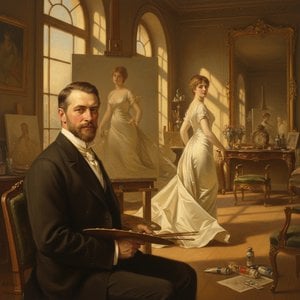
Discover the luminous mastery of John Singer Sargent. Explore an expert analysis of his legendary light, Gilded Age elegance, and technical brilliance, perfect for fine art enthusiasts seeking to bring timeless classical beauty into their modern collections.


 미리보기
미리보기
 공유하기
공유하기 공유하기
공유하기
 상세 정보
상세 정보 가이드 보기

 다운로드
다운로드
 유사 작품
유사 작품 X-레이
X-레이 슬라이드 쇼
 통계 정보
통계 정보

 더 보기
더 보기









 유리 옵션은 110cm 미만 크기에서만 선택 가능합니다.


