

 Oil On CanvasWallArtImpressionistic Portraiture
 189219th Century
 53.0 x 43.0 cm
빠른 제작과 다양한 마감 옵션을 선택할 수 있는 박물관 수준의 지클레이 및 캔버스 프린트. ( 수작업 채색 복제본 주문하기 디지털 이미지 판매 채널로 전환)





























작품의 원본 비율을 그대로 유지하는 프리셋 사이즈 중에서 선택해 보세요.

액자나 벽면 크기에 맞춰 필요한 가로와 세로 길이를 입력해 주세요. 프린트는 원본 이미지보다 크게 제작할 수 없으며 오직 자르는 것만 가능하므로, 비율이 다른 사이즈를 선택할 경우 이미지의 일부가 잘려 나갈 수 있습니다. 인쇄 작업에 들어가기 전, 최종 확인을 위해 디지털 목업을 보내드립니다. 이 페이지에 표시된 이미지는 실제 잘리는 영역을 나타내지 않으며, 오직 목업을 통해서만 정확한 확인이 가능합니다.
Self-Portrait
복제본 규격
In the quiet intimacy of his 1892 Self-Portrait, John Singer Sargent invites us to step beyond the gilded surface of high society and peer directly into the contemplative mind of a master. This is not merely a record of a face, but a profound psychological study that transcends the boundaries of traditional portraiture. As we gaze upon the artist, we find him seated with a calm, almost detached dignity, his eyes directed slightly away from the viewer toward an unseen horizon. It is as if he is caught in a moment of deep introspection, perhaps reflecting on the fleeting nature of the very light he so famously sought to capture. The painting serves as a poignant bridge between the external world of Victorian elegance and the internal landscape of the artist's own spirit.
The composition is a masterclass in balance and subtle tension. Sargent presents himself with the sophisticated air of his era, featuring a meticulously rendered beard and mustache that speak to the masculine ideals of the late 19th century. He sits draped in a dark green velvet cloth, a choice of texture and color that provides a rich, tactile foundation for the portrait. By directing his gaze off-camera, Sargent avoids a confrontational encounter with the viewer, instead fostering a sense of shared mystery. This subtle gesture allows the observer to become a silent witness to his private thoughts, making the experience of viewing the piece deeply personal and emotionally resonant.
Technically, this work stands as a testament to Sargent’s unparalleled ability to manipulate light and atmosphere through the language of Impressionism. Rather than relying on the rigid, photographic precision of academic realism, he employs loose, confident brushstrokes that breathe life into the canvas. The interplay of light and shadow is nothing short of luminous; through the expert use of glazing—applying thin, translucent layers of paint—Sargent achieves a depth and ethereal glow that seems to emanate from within the painting itself. This technique allows the highlights on his skin and the subtle sheen of his attire to dance with a vitality that feels almost spontaneous.
The color palette is both sophisticated and strategically impactful. The dominant, deep green of the background acts as a perfect foil to the dark brown of his waistcoat, creating a visual contrast that pulls the subject forward from the shadows. This use of color does more than just define form; it establishes an atmosphere of quiet drama. For collectors and interior designers, this piece offers a remarkable versatility. Its rich, moody tones and masterful handling of light make it an extraordinary focal point for a curated gallery wall or a sophisticated study, providing a sense of historical weight and artistic prestige to any space.
To understand this self-portrait is to understand the era of the Gilded Age. Sargent, an American expatriate who moved through the most vibrant cultural hubs of Europe, was the preeminent chronicler of his time’s luxury and social grace. Yet, in this particular work, he strips away the silk gowns and pearls of his famous sitters to reveal something much more raw and human. The painting captures a moment of transition, where the technical bravado of a world-class portraitist meets the vulnerable curiosity of a man exploring his own identity.
For those seeking to bring a piece of art history into their homes, this reproduction offers more than just aesthetic beauty; it offers an invitation to reflection. The painting’s ability to evoke both the grandeur of the 19th century and the timelessness of human emotion makes it a truly enduring masterpiece. Whether viewed as a study in light or a window into a legendary psyche, Sargent’s Self-Portrait remains a captivating cornerstone of the Impressionist repertoire, promising to inspire awe and conversation for generations to come.
"Self-Portrait"은(는) Oil On Canvas 기법으로 제작되었으며, 원작의 크기는 53 x 43 cm입니다.
"Self-Portrait"의 작가인 존 싱어 사전트의 다른 이름으로는 존 에스. 사전트, 피츠윌리엄 사전트 등이 있습니다.
"Self-Portrait"은(는) WallArt 작품입니다.

1856 - 1925 , 이탈리아

Master the nuances of Giclée printing with our expert guide. Discover how pigment-based inks and museum-grade substrates create fade-resistant, high-fidelity art reproductions designed for discerning collectors seeking unparalleled quality and longevity.
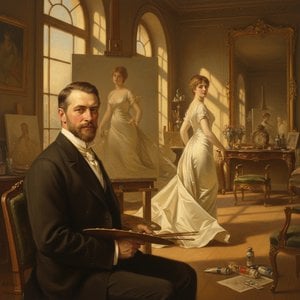
Discover the luminous mastery of John Singer Sargent. Explore an expert analysis of his legendary light, Gilded Age elegance, and technical brilliance, perfect for fine art enthusiasts seeking to bring timeless classical beauty into their modern collections.

Discover museum-quality Giclée paper prints at WahooArt. Elevate your space with archival, pigment-based reproductions of the world's greatest masterpieces. Affordable, elegant, and designed for lasting beauty. Start curating your timeless art legacy today.

Discover the breathtaking elegance of John Singer Sargent's masterpieces. From iconic Gilded Age portraits to impressionistic landscapes, explore the technical brilliance and timeless allure of this American master through our premium, hand-painted fine art reproductions.

 실제 크기로 보기
 보내기
보내기 공유하기
공유하기
 상세 보기
상세 보기 가이드 보기

 이미지 다운로드
 유사 작품 더 보기
 X-레이
X-레이 슬라이드 쇼 보기
 통계 정보
통계 정보 상세 보기
상세 보기









 유리 옵션은 110cm 미만 크기에서만 선택 가능합니다.


