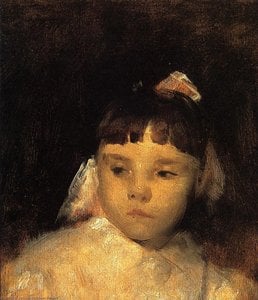
빠른 제작과 다양한 마감 옵션을 제공하는 박물관 품질의 지클레이 또는 캔버스 프린트. ( 손으로 그린 그림 구매 디지털 이미지로 전환)





























작품의 원본 비율을 유지하는 미리 설정된 크기 중에서 선택하세요.

특정 프레임이나 공간에 맞춰 직접 치수를 입력하실 수 있습니다. 선택하신 사이즈가 원본 이미지의 비율과 일치하지 않을 경우, 작품을 크롭(자르기)하거나 이미지를 대칭 또는 단색 채우기로 확장하여 제작합니다. 제작 시작 전, 최종 확인을 위해 디지털 목업이 전송됩니다.
화면상의 미리보기는 실제 크롭이나 확장 상태를 반영하지 않으므로, 최종 구도는 오직 목업을 통해서만 정확하게 확인하실 수 있습니다.
맞춤 사이즈 제작도 가능하지만, 원본 비율을 유지하기 위해서는 사전 정의된 목록에서 치수를 선택하시는 것을 권장합니다.

madame fraancois buloz
복제본 크기
In the vast, shimmering repertoire of John Singer Sargent, few works capture the profound stillness of character as intimately as Madame François Buloz. Executed around 1916, this striking monochrome portrait transcends the mere recording of a likeness, offering instead a window into a soul defined by resilience and grace. The subject, an older woman of unmistakable presence, meets the viewer’s gaze with a directness that is both commanding and contemplative. There is no artifice here to hide behind; Sargent strips away the distractions of vibrant color to focus entirely on the interplay of light, shadow, and the intangible essence of the sitter. In this grayscale realm, every subtle tonal shift serves to deepen the psychological narrative, inviting those who stand before it to contemplate the quiet strength that often resides within a life well-lived.
The emotional resonance of the piece lies in its ability to evoke a sense of timelessness. While the portrait is rooted in the social fabric of the early 20th century, its impact is universal. The subject’s expression—a delicate balance of authority and perhaps a hint of melancholy—creates an atmospheric tension that lingers in the mind long after one has turned away. For the discerning collector or interior designer, this artwork offers more than just visual beauty; it provides a focal point of profound emotional depth, capable of anchoring a room with its somber elegance and commanding a space through its sheer, understated power.
Technically, Madame François Buloz is a masterclass in the wet-on-wet method, a technique Sargent utilized to achieve the breathtakingly fluid quality that defines his Impressionistic style. Rather than relying on the rigid, meticulous outlines characteristic of traditional academic portraiture, Sargent applied paint with a loose, bravura brushwork. This approach allows the light to appear as though it is dancing across the canvas, catching the soft folds of fabric and the subtle textures of skin with a luminous, atmospheric effect. The edges of the composition remain soft and somewhat indistinct, particularly where secondary figures fade into the shadows of the background, ensuring that the viewer’s eye remains locked upon the luminous face of Madame Buloz.
This deliberate use of texture and light creates a sense of three-dimensional form within a relatively flat perspective. The contrast between the deep, velvety blacks and the brilliant highlights on the subject's features generates a dramatic chiaroscuro effect that breathes life into the monochrome palette. To possess a reproduction of such a work is to bring a piece of this technical brilliance into one's own environment—a chance to experience the tactile energy of Sargent’s brushstrokes and the sophisticated interplay of light that makes his work a cornerstone of Gilded Age portraiture.
To understand this portrait is to understand the era of its creation. Painted during the twilight of the Gilded Age, the work reflects a period when portraiture served as a vital instrument of social identity. Sargent, the preeminent portraitist of his generation, was frequently commissioned by the elite to capture not just their physical features, but their prestige and social standing. In Madame François Buloz, we see the hallmarks of this tradition: the dignified posture, the suggestion of fine attire, and a sense of refined composure that speaks of a life of distinction.
For those seeking to curate an art collection or design a sophisticated interior, this painting serves as an exquisite bridge between historical grandeur and modern aesthetic sensibilities. Its monochromatic palette makes it remarkably versatile, allowing it to integrate seamlessly into contemporary minimalist settings or complement the rich textures of a classical study. It is an investment in atmosphere—a piece that brings with it the prestige of the Belle Époque and the enduring, masterful touch of one of history's greatest visual storytellers.


1856 - 1925 , 이탈리아

Transform your most cherished family memories into breathtaking oil masterpieces. Discover the elegance of bespoke, hand-painted portrait commissions, meticulously crafted by academy-trained artists to create a timeless legacy for your home and generations to come.
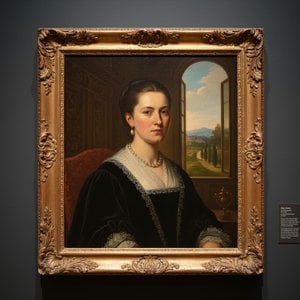
Explore the profound legacy of classical portraiture. From the dramatic chiaroscuro of the Old Masters to exquisite hand-painted oil reproductions, discover how timeless elegance and masterful technique continue to inspire collectors and art enthusiasts worldwide.

Discover the breathtaking elegance of John Singer Sargent's masterpieces. From iconic Gilded Age portraits to impressionistic landscapes, explore the technical brilliance and timeless allure of this American master through our premium, hand-painted fine art reproductions.

Elevate your collection with the tactile elegance of hand-painted oil masterpieces. From bespoke reproductions to custom portraits from photography, discover museum-quality artistry crafted by academy-trained experts for discerning collectors and designers worldwide.
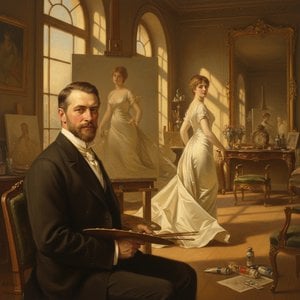
Discover the luminous mastery of John Singer Sargent. Explore an expert analysis of his legendary light, Gilded Age elegance, and technical brilliance, perfect for fine art enthusiasts seeking to bring timeless classical beauty into their modern collections.


 미리보기
미리보기
 공유하기
공유하기 공유하기
공유하기
 상세 정보
상세 정보 가이드 보기

 다운로드
다운로드
 유사 작품
유사 작품 X-레이
X-레이 슬라이드 쇼
 통계 정보
통계 정보

 더 보기
더 보기









 유리 옵션은 110cm 미만 크기에서만 선택 가능합니다.