작품의 원본 비율을 유지하는 미리 설정된 크기 중에서 선택하세요.

특정 프레임이나 공간에 맞도록 직접 크기를 입력할 수 있습니다. 선택하신 크기가 원본 이미지의 비율과 일치하지 않는 경우, 작품을 자르거나 추가적인 손으로 그린 요소를 사용하여 그림을 확장합니다. 제작 시작 전 승인을 위해 디지털 목업을 보내드립니다.
화면 미리 보기는 실제 자르기 또는 확장을 반영하지 않습니다. 최종 구성은 목업을 통해서만 정확하게 확인하실 수 있습니다.
맞춤 크기 제작도 가능하지만, 원본 비율을 유지하기 위해 사전 정의된 목록에서 크기를 선택하시는 것을 권장합니다.

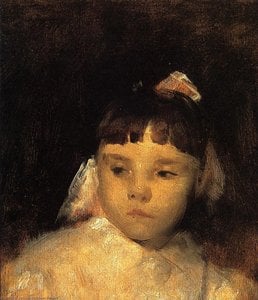
Javanese Dancer (sudy)
복제본 크기
John Singer Sargent's "Javanese Dancer" (1889) is more than just a depiction of a woman in traditional attire; it’s a window into the burgeoning fascination with Eastern cultures that defined the late 19th century. Painted during a period of intense European exploration and colonization, this watercolor captures a moment of poised elegance and quiet intensity, reflecting both the subject's inherent grace and Sargent’s own masterful observation.
Beyond its technical brilliance, “Javanese Dancer” is rich in symbolic potential. The dancer’s single-legged stance, a common motif in Javanese dance, represents balance, control, and spiritual connection. Her focused gaze suggests concentration and dedication to her art – a theme frequently explored by Sargent in his portraits of women. The inclusion of what appears to be a fan or prop adds another layer of meaning, perhaps symbolizing communication, courtship, or the offering of respect.
Created in 1889, “Javanese Dancer” exemplifies Sargent’s signature style – a blend of realism and Impressionism that captured the spirit of the Gilded Age. His ability to portray both physical beauty and psychological depth made him one of the most sought-after portrait painters of his time. This work demonstrates his keen eye for composition, his understanding of human form, and his remarkable skill in rendering light and shadow. It’s a testament to Sargent's enduring legacy as an artist who captured not just appearances but also the essence of his subjects.


1856 - 1925 , 이탈리아

Discover the ethereal beauty of watercolor through an art-historical lens. Master the delicate balance of light, fluidity, and pigment to capture the luminous essence of nature, inspired by the legendary techniques of the Old Masters and Impressionist greats.
Explore the divine mastery of Byzantine gold leaf and gilding. Discover how ancient artisans used gold ground and mosaics to create celestial light, a timeless legacy of spiritual splendor and technical excellence in sacred art history.

Embark on a visual journey through the world's most radiant masterpieces. Discover how gold leaf, impasto textures, and gilded tones define luxury in fine art, from Byzantine icons to modern abstracts. Explore the eternal allure of gold in curated, museum-quality art collections.

Discover the ethereal beauty of premium watercolor reproductions and bespoke commissions at WahooArt. From museum-quality landscapes to custom AI-enhanced portraits, our master artists deliver unparalleled craftsmanship and white-glove service for discerning collectors worldwide.

Discover the breathtaking elegance of John Singer Sargent's masterpieces. From iconic Gilded Age portraits to impressionistic landscapes, explore the technical brilliance and timeless allure of this American master through our premium, hand-painted fine art reproductions.


 미리보기
미리보기
 프린트 구매
 공유하기
공유하기 공유하기
공유하기
 상세 정보
상세 정보

 다운로드
다운로드
 유사 작품
유사 작품 X-레이
X-레이 슬라이드 쇼

 더 보기
더 보기









 유리 옵션은 110cm 미만 크기에서만 선택 가능합니다.