
빠른 제작과 다양한 마감 옵션을 제공하는 박물관 품질의 지클레이 또는 캔버스 프린트. ( 손으로 그린 그림 구매 디지털 이미지로 전환)





























작품의 원본 비율을 유지하는 미리 설정된 크기 중에서 선택하세요.

특정 프레임이나 공간에 맞춰 직접 치수를 입력하실 수 있습니다. 선택하신 사이즈가 원본 이미지의 비율과 일치하지 않을 경우, 작품을 크롭(자르기)하거나 이미지를 대칭 또는 단색 채우기로 확장하여 제작합니다. 제작 시작 전, 최종 확인을 위해 디지털 목업이 전송됩니다.
화면상의 미리보기는 실제 크롭이나 확장 상태를 반영하지 않으므로, 최종 구도는 오직 목업을 통해서만 정확하게 확인하실 수 있습니다.
맞춤 사이즈 제작도 가능하지만, 원본 비율을 유지하기 위해서는 사전 정의된 목록에서 치수를 선택하시는 것을 권장합니다.

Gardens at Florence
복제본 크기
John Singer Sargent's "Gardens at Florence," painted in 1910, offers a captivating glimpse into the artist’s profound understanding of light and atmosphere. This watercolor captures not merely a garden scene, but an evocation of tranquility – a carefully constructed illusion of peace within the bustling world of the early 20th century. The painting's subject is deceptively simple: a lush garden brimming with life, yet Sargent elevates it through masterful technique and a deeply considered composition. The delicate washes of color, characteristic of his watercolor style, create an ethereal quality, blurring the boundaries between observation and imagination. The artist’s ability to render the subtle shifts in light filtering through foliage is particularly striking, lending a luminous warmth to the scene.
Sargent was renowned for his exceptional command of watercolor, a medium he embraced with passionate intensity. “Gardens at Florence” exemplifies this mastery. Notice the loose, expressive brushstrokes that define the foliage – not meticulously detailed, but rather conveying a sense of movement and vibrancy. The artist employs wet-on-wet techniques extensively, allowing colors to bleed and blend naturally, creating soft edges and atmospheric perspective. This approach is crucial in establishing depth; the distant trees recede into a hazy blue, while the foreground flowers are rendered with greater clarity and detail. The use of pinks and yellows – prominent throughout the composition – isn’t merely decorative; it's strategically employed to enhance the sense of warmth and serenity, echoing the romantic ideals prevalent in Sargent’s work.
Painted in 1910, “Gardens at Florence” reflects a pivotal moment in Sargent’s career. Having spent his formative years in Italy – born in Florence to American expatriate parents – he possessed an intimate understanding of Italian artistic traditions. This knowledge is subtly woven into the painting's aesthetic, reminiscent of the idyllic landscapes favored by artists like Claude Lorrain and Nicolas Poussin. The work also aligns with the broader trends of the Gilded Age, a period characterized by opulent wealth and a fascination with beauty and leisure. Sargent’s portraits of wealthy patrons were often set within luxurious interiors or gardens, reflecting this societal obsession. The painting can be seen as an escape from the pressures of urban life, mirroring the desire for tranquility and refinement that defined the era.
Beyond its technical brilliance, “Gardens at Florence” resonates with a profound sense of peace and contemplation. The carefully arranged flowers – pinks and yellows dominating the palette – symbolize beauty, innocence, and perhaps even fleeting joy. The garden itself represents an idealized space, a refuge from the complexities of the world. Sargent’s ability to capture this emotional atmosphere is what elevates this work beyond a simple landscape painting; it's a testament to his artistic sensitivity and his profound understanding of human emotion. This piece evokes feelings of calm, nostalgia, and appreciation for the beauty of nature – qualities that continue to resonate with viewers today.


1856 - 1925 , 이탈리아
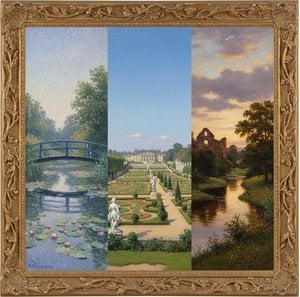
Embark on a visual journey through the serene beauty of gardens and parks in fine art. Discover how master artists capture nature's tranquility through impressionistic blooms and classical landscapes to bring timeless elegance into your home collection.

Discover the ethereal beauty of watercolor through an art-historical lens. Master the delicate balance of light, fluidity, and pigment to capture the luminous essence of nature, inspired by the legendary techniques of the Old Masters and Impressionist greats.
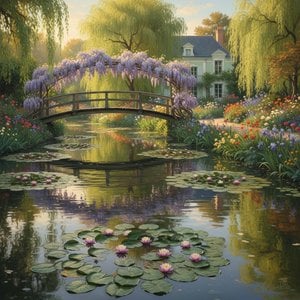
Embark on a visual journey through Claude Monet's Giverny. Discover the enchanting light, vibrant colors, and breathtaking landscapes of his legendary gardens through an expert exploration of Impressionist mastery and timeless beauty.

Discover the breathtaking elegance of John Singer Sargent's masterpieces. From iconic Gilded Age portraits to impressionistic landscapes, explore the technical brilliance and timeless allure of this American master through our premium, hand-painted fine art reproductions.

Discover the ethereal beauty of premium watercolor reproductions and bespoke commissions at WahooArt. From museum-quality landscapes to custom AI-enhanced portraits, our master artists deliver unparalleled craftsmanship and white-glove service for discerning collectors worldwide.


 미리보기
미리보기
 공유하기
공유하기 공유하기
공유하기
 상세 정보
상세 정보

 다운로드
다운로드
 유사 작품
유사 작품 X-레이
X-레이 슬라이드 쇼
 통계 정보
통계 정보

 더 보기
더 보기









 유리 옵션은 110cm 미만 크기에서만 선택 가능합니다.


