
원하는 크기와 액자로 주문 제작되는, 작가들이 직접 캔버스에 손으로 그린 유화 작품입니다. ( 프린트 판매로 전환 디지털 이미지로 전환)





























작품의 원본 비율을 유지하는 미리 설정된 크기 중에서 선택하세요.

특정 프레임이나 공간에 맞도록 직접 크기를 입력할 수 있습니다. 선택하신 크기가 원본 이미지의 비율과 일치하지 않는 경우, 작품을 자르거나 추가적인 손으로 그린 요소를 사용하여 그림을 확장합니다. 제작 시작 전 승인을 위해 디지털 목업을 보내드립니다.
화면 미리 보기는 실제 자르기 또는 확장을 반영하지 않습니다. 최종 구성은 목업을 통해서만 정확하게 확인하실 수 있습니다.
맞춤 크기 제작도 가능하지만, 원본 비율을 유지하기 위해 사전 정의된 목록에서 크기를 선택하시는 것을 권장합니다.

cashmere shawl
복제본 크기
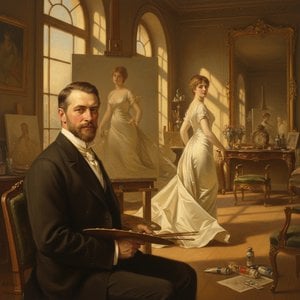
John Singer Sargent's Cashmere Shawl (circa 1880) is more than just a portrait; it’s a carefully constructed tableau of quiet intimacy and understated elegance, emblematic of the artist’s mastery during the height of the Gilded Age. The painting depicts two women, their heads nestled together in a gesture of profound comfort and connection, enveloped by the luxurious softness of a cashmere shawl – a detail that immediately draws the eye and speaks to the era's obsession with tactile pleasure and refined domesticity. Sargent’s ability to capture fleeting moments of emotion, particularly those born from private relationships, is powerfully evident here. The scene unfolds with a remarkable sense of realism, yet retains an ethereal quality, characteristic of Sargent’s distinctive style.
Sargent was renowned for his innovative use of light and color, techniques he honed through years of meticulous observation and experimentation. In Cashmere Shawl, he employs a broken brushstroke method – applying small, separate strokes of paint rather than blending them – to create a shimmering surface that seems to capture the play of light on fabric and skin. This technique is particularly noticeable in the shawl itself, where the colors appear to shift and change with every glance. The subtle gradations of tone, achieved through careful layering of pigments, contribute significantly to the painting’s atmospheric depth and sense of realism. His mastery of *alla prima* (wet-on-wet) painting allowed him to capture the immediacy of the scene, imbuing it with a vibrant energy.
The composition itself is laden with symbolic meaning. The women’s posture – heads resting on each other's shoulders – speaks volumes about their bond, suggesting intimacy, trust, and perhaps even a shared history. The cashmere shawl, a symbol of wealth and status during the late 19th century, further reinforces this impression. It wasn’t merely an article of clothing; it was a marker of social standing, reflecting the women's privileged position within society. The presence of the chair adds to the scene's domestic tranquility, suggesting a private moment of respite from the demands of public life. The partially visible third figure in the background hints at the complexities of social relationships and the ever-present awareness of observation.
Painted during Sargent’s most prolific period, Cashmere Shawl reflects the artistic trends and societal values of the late Victorian era. Sargent was a leading portraitist for America's wealthiest families – the Vanderbilts, the Astors, and the Morgans – capturing their lives of opulent leisure and social ambition. His portraits were not simply representations of individuals; they were carefully crafted statements about wealth, status, and taste. The painting’s subject matter—a quiet moment of female companionship—contrasts with the often-ostentatious displays of wealth depicted in other works from this period, offering a glimpse into a more intimate and personal side of Gilded Age society.


1856 - 1925 , 이탈리아

Discover the breathtaking elegance of John Singer Sargent's masterpieces. From iconic Gilded Age portraits to impressionistic landscapes, explore the technical brilliance and timeless allure of this American master through our premium, hand-painted fine art reproductions.
Discover the luminous mastery of John Singer Sargent. Explore an expert analysis of his legendary light, Gilded Age elegance, and technical brilliance, perfect for fine art enthusiasts seeking to bring timeless classical beauty into their modern collections.


 미리보기
미리보기
 공유하기
공유하기 공유하기
공유하기
 상세 정보
상세 정보

 다운로드
다운로드
 유사 작품
유사 작품 X-레이
X-레이 슬라이드 쇼
 통계 정보
통계 정보

 더 보기
더 보기









 유리 옵션은 110cm 미만 크기에서만 선택 가능합니다.


